

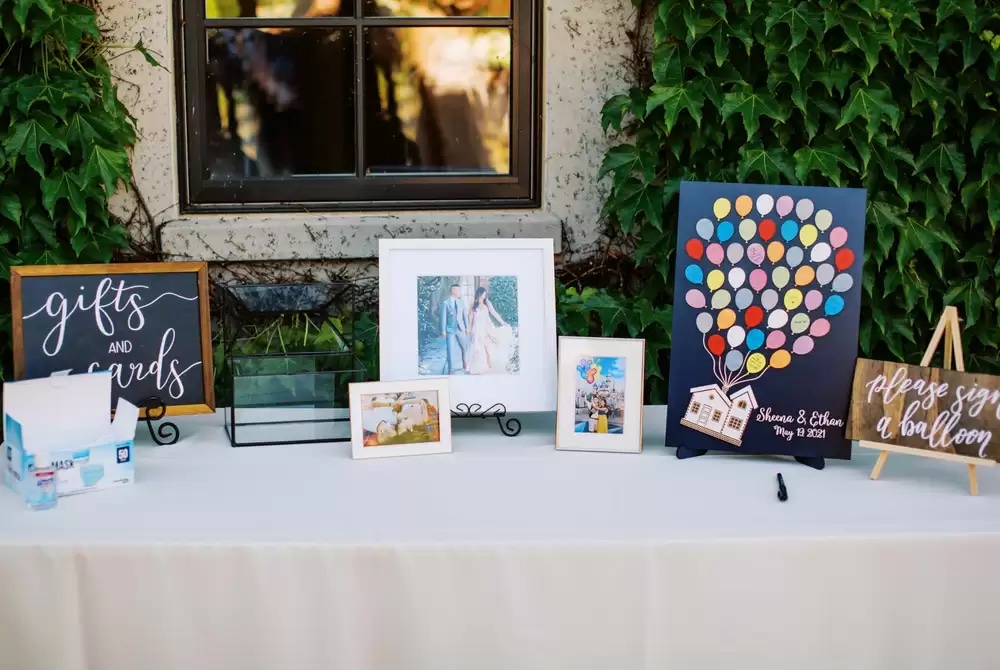
Navigating the world of wedding gifts can be tricky, especially when deciding How Much Cash Should You Give as a Wedding Gift?. This question often arises as couples increasingly prefer monetary contributions over traditional presents, allowing them to fund their new life together or cover wedding expenses. Understanding the nuances of cash gifting involves considering personal relationships, cultural expectations, and financial realities to ensure your gesture is thoughtful and appropriate. By exploring key factors and etiquette, you can make an informed decision that honors the occasion without straining your own budget.
Determining an Appropriate Cash Wedding Gift Amount: Key Considerations
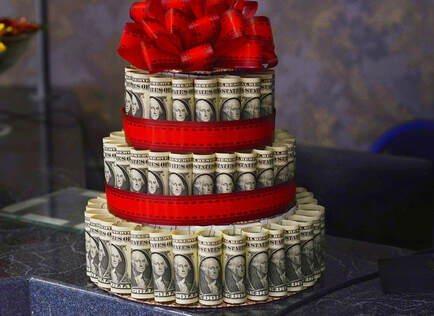
When figuring out How Much Cash Should You Give as a Wedding Gift?, it’s essential to start with a clear understanding of the variables at play. Your decision shouldn’t be arbitrary; instead, it should reflect a balance between generosity and practicality. For instance, consider the couple’s lifestyle and the scale of the wedding itself— a lavish destination event might warrant a more substantial contribution than a modest backyard gathering. Experts in wedding etiquette, like those from The Knot, suggest evaluating your own financial situation first to avoid overextending yourself, which could lead to resentment later. Additionally, think about the couple’s needs; if they’re young professionals starting out, cash for household essentials might be more appreciated than for established couples. This approach not only makes your gift meaningful but also aligns with modern trends where cash gifts help newlyweds pay off debts or invest in experiences.
Beyond these basics, delving deeper into the emotional and social aspects can elevate your gift-giving strategy. For example, a heartfelt note accompanying the cash can transform a simple envelope into a cherished memory, emphasizing your support for their union. Historical perspectives on gifting, such as ancient traditions in various cultures where cash symbolized prosperity, add layers to this practice, making it more than just a transaction. Engage with online communities or forums where people share real stories— like a guest who gave $500 to close friends and felt it strengthened their bond, versus another who regretted giving only $100 to family and faced awkwardness. By weighing these considerations, you ensure your cash gift is not only adequate but also resonates on a personal level, fostering positive relationships post-wedding.

Inside Greeting: Best wishes as your begin your journey together | Cover Greeting: Two hearts, one love
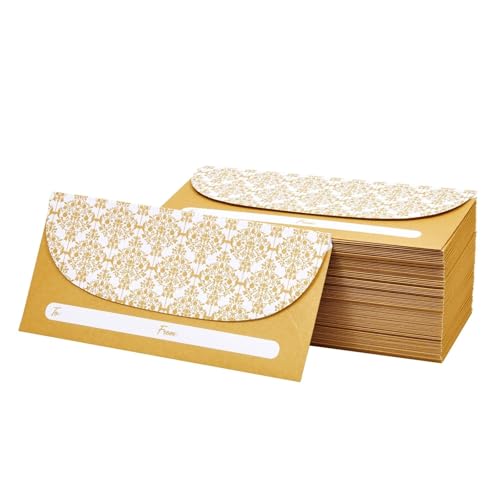
Elegant Gift Envelopes: Sustainable Greetings offers gold gift envelopes for cash, ideal for a variety of special occasions. These versatile decorative envelopes can hold gift cards, money cards for cash gifts, and donations

Bulk Set of 100: This set includes 100 decorative gold envelopes, offering great value and convenience for large events or personal use. Perfect for cash gifts, holiday donations, or special messages, you’ll always have the right envelope on hand.
Factors Influencing Your Cash Gift: Relationship, Budget, and Cultural Norms
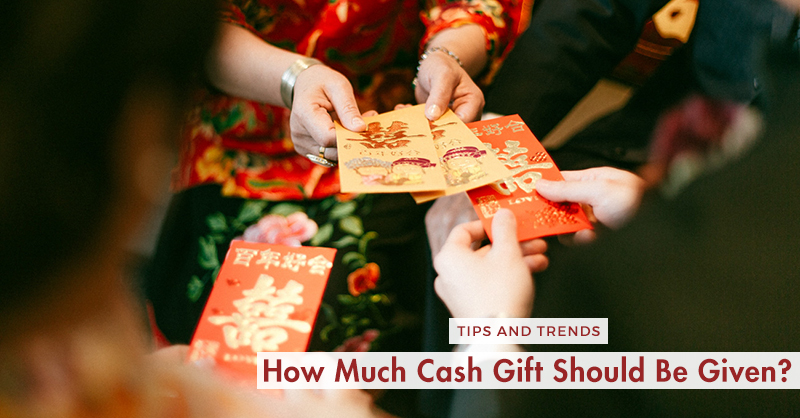
The amount you decide on for How Much Cash Should You Give as a Wedding Gift? is heavily influenced by your relationship with the couple, as this sets the tone for expectations. If the bride or groom is a close family member, such as a sibling or child, you might lean towards a more generous sum, perhaps aiming for $200 to $500 or more, to show deep affection and support. In contrast, for acquaintances or coworkers, a smaller amount like $50 to $100 could suffice without implying undue closeness. Personal anecdotes from wedding planners reveal that guests often adjust based on intimacy; one survey by WeddingWire indicated that 60% of respondents increase their gift for family weddings. This relational dynamic ensures that your gift feels authentic and proportional, avoiding the pitfalls of under- or over-giving.
Your personal budget and cultural norms play equally critical roles in this decision. Always prioritize what you can afford comfortably— financial experts warn that exceeding your means might lead to stress, so use tools like budgeting apps to calculate a realistic figure. Cultural norms add another layer; in the U.S., averages hover around $100-$200 per guest, but in places like India, gifts can reach upwards of $500 due to traditions of lavish celebrations. Engaging stories from multicultural weddings highlight how norms evolve— for instance, a guest from a conservative background might adhere to family expectations by giving more, while adapting to the host’s culture. By blending these factors, you create a gift that respects both your circumstances and broader societal contexts, making the act of giving more enriching and less obligatory.

【DIY Wedding Card Box】: Unique foldable design, easy to assemble. Also, provide rubber bands to hold the box in place so that each board can be perfectly matched

Sized at 12.6” L × 5.9” W × 9.0” H, this card box for wedding can hold up to 150 standard 4” × 6” cards. The set includes 1 wedding card box, 1 heart-shaped lock with 2 keys, making it a thoughtful and gift-ready option.
Regional Variations in Expected Cash Wedding Gift Amounts
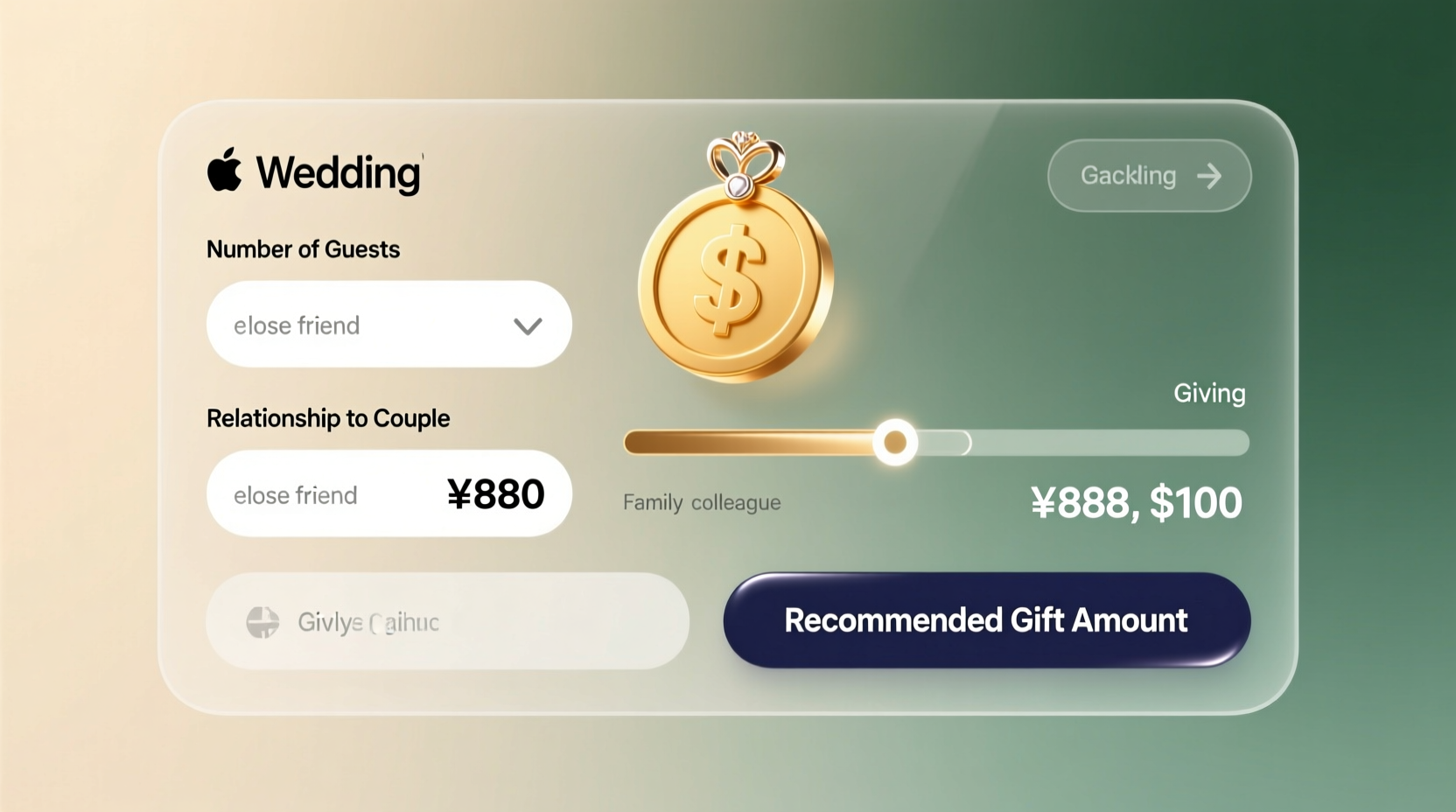
Exploring How Much Cash Should You Give as a Wedding Gift? reveals fascinating regional variations that stem from historical, economic, and social differences. In the United States, for example, urban weddings in cities like New York often see gifts ranging from $100 to $300, influenced by the high cost of living and extravagant events, whereas in rural areas, $50 to $150 might be more common to reflect community values. Data from sources like the National Wedding Survey shows that these amounts correlate with local economies, with guests in wealthier regions giving more to match the perceived scale. Meanwhile, in Europe, countries like the UK tend towards modest gifts of £50 to £200, emphasizing practicality over ostentation, while in Scandinavia, eco-friendly contributions might replace cash altogether. These disparities highlight how geography shapes expectations, turning gift-giving into a reflection of cultural identity.
Diving deeper, these variations aren’t just about numbers; they’re tied to deeper societal norms and historical practices. In Asia, for instance, weddings in China or Japan might expect red envelopes with amounts like 500 to 2,000 yuan, symbolizing good fortune and family ties, whereas in the Middle East, gifts can be substantial due to the communal nature of celebrations. Personal accounts from international guests illustrate the challenges— a traveler to an Indian wedding once shared how giving only $100 felt insufficient compared to local standards, leading to educational moments about cultural respect. Understanding these nuances requires research, such as consulting etiquette guides or speaking with locals, to avoid faux pas. Ultimately, acknowledging regional differences makes your cash gift a bridge between worlds, promoting global awareness and thoughtful exchange.


Take some of the stress out of wedding planning! Complete your wedding invitation kit by looking at other pieces we offer separately - save the date cards, rustic bridal shower invitations, wedding invitations with envelopes and rsvp cards... & more!

🎁【Double face Cream satin ribbon】Cream satin ribbon Silky texture with double sided ribbon.Width: 1-1/2" Length: 50 yards each roll with plastic spool and dust-proof paper , can be store easily
Beyond the Envelope: Alternative Gift Options and Registry Etiquette

While pondering How Much Cash Should You Give as a Wedding Gift?, it’s worth considering alternatives that might better suit the occasion or your preferences. Cash remains popular for its flexibility, but registries offer a structured way to contribute, allowing you to select items from the couple’s wishlist, such as kitchenware or home decor. Etiquette experts from Emily Post advise checking the registry first to ensure your gift aligns with their tastes, potentially avoiding the awkwardness of duplicates. For those who prefer non-monetary options, experiences like spa vouchers or personalized art can add a unique touch, especially if the couple has specified no cash. Real-life examples abound, like a guest who gifted a cooking class instead of cash, which was fondly remembered for its thoughtfulness over traditional envelopes.
Etiquette around registries and alternatives demands sensitivity to avoid offending the couple. If a registry is provided, it’s generally seen as an invitation to choose from it rather than defaulting to cash, but always confirm if cash is acceptable— many couples now include hints on their websites. In cases where cultural norms dictate cash, such as in Hispanic or African traditions, blending it with a small registry item can show respect. Engaging narratives from wedding coordinators reveal that 70% of couples appreciate a mix, as seen in stories where a cash gift funded a registry item, enhancing the overall experience. By navigating these options thoughtfully, you elevate gift-giving from a mere obligation to a meaningful expression of support, ensuring it complements the wedding’s spirit.
Navigating Destination Weddings and Contributing to Honeymoon Funds

When addressing How Much Cash Should You Give as a Wedding Gift? in the context of destination weddings, the dynamics shift due to added expenses like travel and accommodation. These events, often in exotic locales, might prompt guests to give more generously—say, $150 to $400—to acknowledge the couple’s effort in planning, as opposed to local weddings. Honeymoon funds have become a trendy alternative, where cash contributions directly support post-wedding adventures, such as a romantic getaway. Travel experts note that platforms like Honeyfund make this easy, allowing you to specify your gift for flights or activities, turning your contribution into a shared experience. Personal stories from attendees highlight the joy, like funding a couple’s beach excursion, which added a layer of excitement to the celebration.
Contributing to honeymoon funds requires navigating etiquette with care to ensure it’s appropriate and welcoming. Always verify if the couple has requested such contributions, as some may prefer traditional gifts to maintain a sense of normalcy. In regions where destination weddings are common, like the Caribbean or Europe, cultural norms might expect cash to cover the couple’s costs, making it a standard practice. Deeper insights from wedding bloggers reveal that guests often adjust amounts based on their attendance—those traveling far might give less cash but more effort, while local attendees compensate with higher sums. By thoughtfully engaging with these scenarios, you not only honor the couple’s choices but also participate in creating lasting memories, making your gift a pivotal part of their journey.
The Ultimate Guide to Cash Wedding Gift Giving: Practical Tips and Etiquette
For a comprehensive approach to How Much Cash Should You Give as a Wedding Gift?, follow this guide filled with practical tips to streamline the process. Begin by setting a budget early, using online calculators from sites like Zola to gauge averages based on your relationship and location; for instance, aim for 1-2% of your annual income if it’s a close tie. Presentation matters—opt for a stylish card or envelope, and include a personalized message to add warmth. Timing is key; give the gift at the wedding or shortly after via mail, and consider digital options like apps for seamless transfers. Real-world advice from seasoned guests emphasizes discretion; avoid discussing amounts publicly to prevent comparisons, and always RSVP to ensure your gift aligns with the event’s vibe.
Etiquette plays a starring role in making your cash gift memorable and respectful. Do’s include respecting the couple’s preferences, such as contributing to specified funds, and don’ts involve assuming cash is always best—check for any no-gift policies. Cultural sensitivity is crucial; in diverse settings, research norms to avoid missteps, like ensuring the amount is auspicious in certain traditions. Engaging tales from etiquette columns illustrate how one guest turned a simple cash gift into a highlight by pairing it with a custom video message, fostering deeper connections. By adhering to these tips, you transform gift-giving into an art form, ensuring it’s not only appropriate but also a joyful extension of your well-wishes.
Conclusion
In summary, determining How Much Cash Should You Give as a Wedding Gift? involves a careful blend of personal relationships, financial considerations, cultural norms, and modern trends like registries and honeymoon funds. By evaluating factors such as your budget, the couple’s expectations, and regional variations, you can select an amount that feels genuine and respectful, while alternatives like experiential gifts add depth to your gesture. Ultimately, whether navigating destination weddings or adhering to practical etiquette, the key is to give thoughtfully, ensuring your contribution enhances the joy of the occasion and strengthens your bonds with the couple.