
In this article, we delve into the intriguing world of “What Is a Wedding Cake and Why It Matters?” This exploration uncovers the essence of the wedding cake as more than just a dessert—it’s a cherished tradition that symbolizes love, commitment, and celebration. From its historical roots to modern innovations, understanding this culinary centerpiece reveals why it holds such profound significance in weddings worldwide.
Defining the Wedding Cake: A Culinary Symbol of Marriage
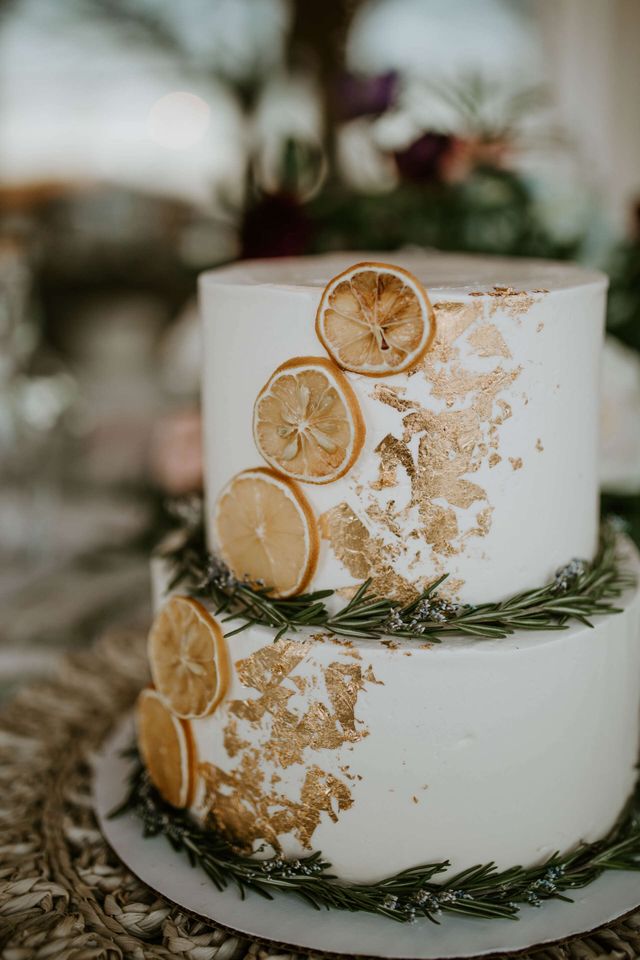
A wedding cake is far more than a mere confectionery delight; it represents the pinnacle of matrimonial festivities, embodying the union of two individuals in a tangible, edible form. Typically, this multi-tiered masterpiece is crafted from layers of moist sponge, buttercream frosting, and intricate decorations, often tailored to reflect the couple’s personal style and cultural heritage. The wedding cake serves as the centerpiece of the reception, where it is ceremonially cut by the newlyweds, symbolizing their first joint act as a married couple. This tradition highlights the cake’s role in fostering shared experiences and community joy, making it an essential element in the narrative of a wedding. Beyond its visual appeal, the wedding cake encapsulates the idea of abundance and prosperity, with its towering structure representing the growth and stability of the marriage ahead.
What makes the wedding cake truly matter in the context of “What Is a Wedding Cake and Why It Matters?” is its ability to weave emotional depth into the event. It acts as a sensory bridge, connecting the past traditions with the present moment through flavors and designs that can be customized to tell a couple’s unique story—perhaps incorporating family recipes or motifs that nod to their shared adventures. This personalization elevates the cake from a simple treat to a profound emblem of partnership, reminding guests of the couple’s journey and aspirations. In essence, the wedding cake is not just about indulgence; it’s a ritualistic artifact that reinforces the bonds of love, encouraging reflection on the commitment being celebrated.

Well Design: Thickened and widened handle, smooth and rounded edges, elegant and modern gold appearance, brings better experience. And the ergonomic handle makes it easier to cut your cake

Well Design: Thickened and widened handle, smooth and rounded edges, elegant and modern silver appearance, brings better experience. And the ergonomic handle makes it easier to cut your cake

💎 [Contents] Set includes a 13 inch Serrated Knife and a 10.75 inch Server
Historical Origins: Tracing the Evolution of the Wedding Cake Tradition
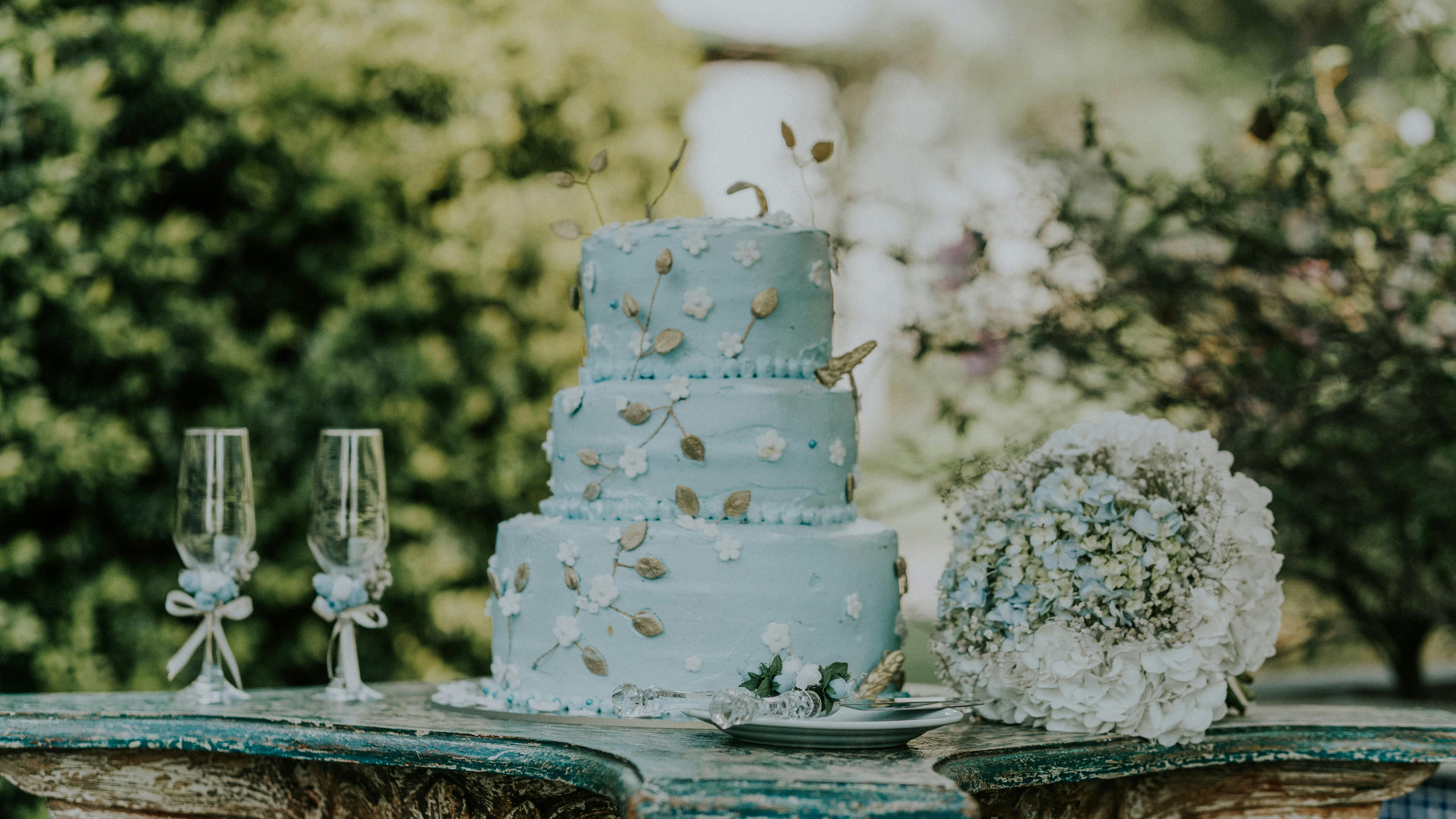
The wedding cake’s history stretches back to ancient civilizations, where early forms of this tradition emerged as symbols of fertility and good fortune. In ancient Rome, for instance, couples shared a simple cake made from wheat or barley, which was broken over the bride’s head to signify abundance and the promise of a fruitful marriage. This practice evolved through the Middle Ages in Europe, where spiced breads and sweet buns began to take center stage, often stacked into piles that couples would attempt to kiss over without toppling—an early precursor to the multi-tiered cakes we know today. By the 17th century, the introduction of refined sugar and advanced baking techniques in England transformed these humble offerings into elaborate confections, with the iconic multi-layered design popularized by royal weddings, such as that of Queen Victoria in 1840. These developments underscore how the wedding cake has always been intertwined with societal shifts, reflecting economic prosperity and cultural values.
Delving deeper into why “What Is a Wedding Cake and Why It Matters?” resonates through history, we see that the cake’s evolution mirrors broader human stories of love and ritual. In the Victorian era, for example, the addition of intricate icing and fondant allowed for more expressive designs, symbolizing the era’s emphasis on romance and aesthetics. As globalization spread in the 20th century, influences from diverse cultures—such as the fruitcakes of British traditions or the lighter sponge cakes in Asian weddings—further diversified the cake’s forms, adapting to local ingredients and customs. This ongoing transformation highlights the wedding cake’s enduring relevance, as it adapts to changing times while preserving its core symbolism of unity and celebration, making it a timeless element in the tapestry of matrimonial customs.

Complete Set: Cake dowels for tiered cakes includes 12 white support rods and 4 cake dividers. This comprehensive kit provides all the necessary tools for creating beautiful multi-layered cakes.

2 PCS-8" PLATE , 2 PCS-10" PLATE, 1 PC 14" LOW PROFILE PLATE

NOTED: PLEASE CHECK WHAT YOU ARE GETTING BEFORE BUYING & MAKE SURE IT WORKS FOR YOU 𝗔𝗖𝗥𝗬𝗟𝗜𝗖 𝐏𝐋𝐀𝐓𝐄 𝐒𝐈𝐙𝐄: 1 - 14" LOW PLATE, ➕2 Pcs 10" PLATE➕ 2 Pcs 8" PLATE 𝗣𝗖 𝗣𝗟𝗔𝗦𝗧𝗜𝗖 𝗧𝗨𝗕𝗘 𝗟𝗘𝗡𝗚𝗧𝗛: 1pc 5" TUBE ➕ 1Pc 10"TUBE 👉1️⃣Pc→ Pancake knife🔪 ➕ 1️⃣Pc→ Pancake Server 👍 SERVE-UP EACH 🍰FOR THE PARTY: If no longer needed when delivered, the item must be returned in unused or unopened condition for restocking. If the item is used, a case will be opened, and the refund will be reversed ( check return policy carefully)
Beyond Aesthetics: The Significance and Symbolism of Wedding Cake Elements
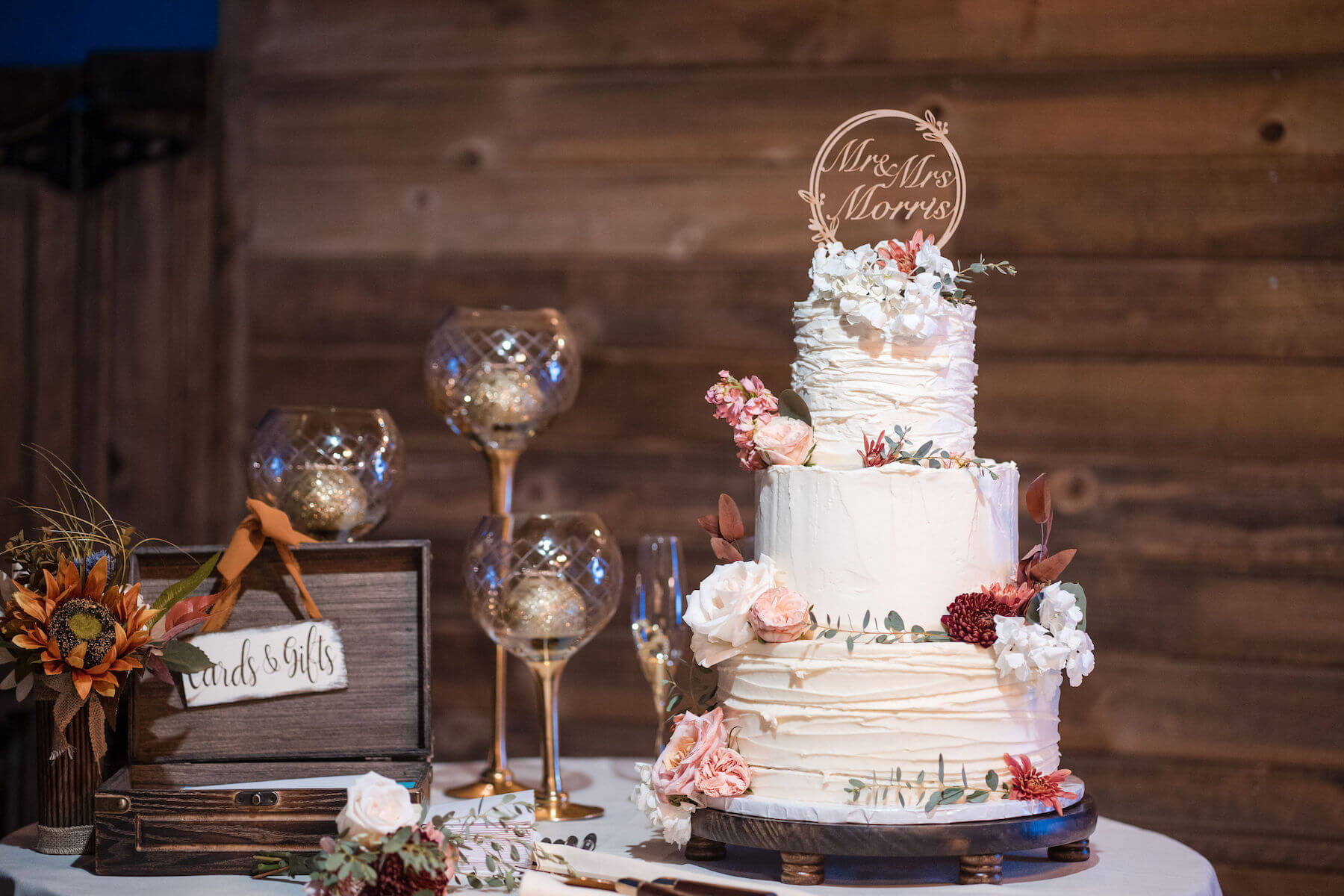
Every element of a wedding cake carries profound symbolism, turning it into a narrative device that speaks volumes about the couple’s relationship. The tiers, for instance, often represent the couple’s stages of life together, with the bottom layer symbolizing a strong foundation and the top evoking future aspirations. Flavors play a crucial role too; a rich chocolate might denote passion, while a light vanilla could signify purity and simplicity. The act of cutting the cake, performed by the bride and groom, is a ritual that dates back centuries, representing their shared responsibility and the sharing of life’s sweetness. Additionally, decorations like sugar flowers or personalized toppers add layers of meaning, such as incorporating motifs from the couple’s heritage or hobbies, thereby making the cake a personalized canvas for their story.
In the broader context of “What Is a Wedding Cake and Why It Matters?”, these elements underscore the cake’s function as a emotional and psychological anchor in weddings. It’s not just about the visual splendor; the cake fosters a sense of community, as guests partake in sharing slices, which symbolizes the inclusion of loved ones in the couple’s journey. This communal aspect can even extend to modern interpretations, like “cake pulls” in some cultures, where single guests draw charms from the cake for good luck in their own love lives. By blending aesthetics with deeper symbolism, the wedding cake elevates the ceremony, reminding everyone involved of the enduring values of love, partnership, and shared happiness that form the bedrock of marriage.

Elegant Cake Cutting Set for Wedding:This cake cutting set enhances engagements and anniversaries with its graceful design. The set includes a cake knife and server engraved with "Always and Forever" and "Mr Mrs HAPPILY EVER AFTER," along with two forks engraved "Groom" and "Bride." It serves as a beautiful reminder of life’s most treasured moments

Premium Stainless Steel Construction: This cake cutting set for wedding crafted from high-quality, food-grade stainless steel, our wedding cake cutting set offers exceptional durability, effortless cleaning, resistance to rust and stains, and a long-lasting, hygienic finish for safe food handling

Modern Wedding Cake Trends: Innovation and Personalization in Design
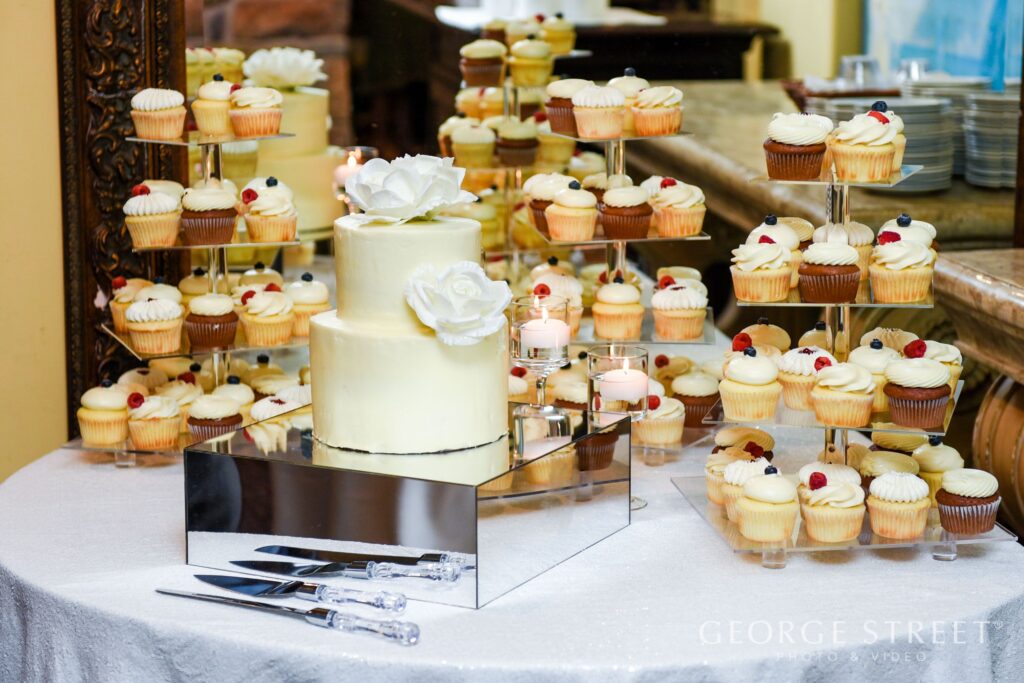
Today’s wedding cakes are a testament to innovation, with bakers pushing boundaries to create designs that blend tradition with contemporary flair. Naked cakes, for example, have surged in popularity, exposing the cake’s layers and fillings for a rustic, organic look that appeals to couples seeking a minimalist aesthetic. Other trends include geometric shapes, metallic accents, and even cakes made from alternative materials like donuts or cupcakes stacked into towers, allowing for greater creativity and interactivity at receptions. Personalization is key, with couples opting for flavors inspired by their favorite desserts or cultural backgrounds, such as matcha-infused sponges for Asian-inspired weddings or gluten-free options to accommodate dietary needs. This evolution reflects a shift towards inclusivity and individuality, making the cake a true extension of the couple’s identity.
Exploring “What Is a Wedding Cake and Why It Matters?” in this modern lens reveals how these trends enhance the overall wedding experience by fostering emotional connections. Innovations like 3D-printed decorations or edible art pieces enable couples to incorporate personal stories, such as recreating a proposal location in sugar form, turning the cake into a conversation starter. Moreover, the rise of sustainable practices—using locally sourced ingredients or eco-friendly packaging—adds a layer of social responsibility, aligning with couples’ values and making the tradition more relevant in today’s world. Ultimately, these advancements ensure that the wedding cake remains a vibrant, meaningful element, adapting to societal changes while preserving its core role in celebrating love and commitment.
The Wedding Cake as a Focal Point: Impact on the Celebration and Memories
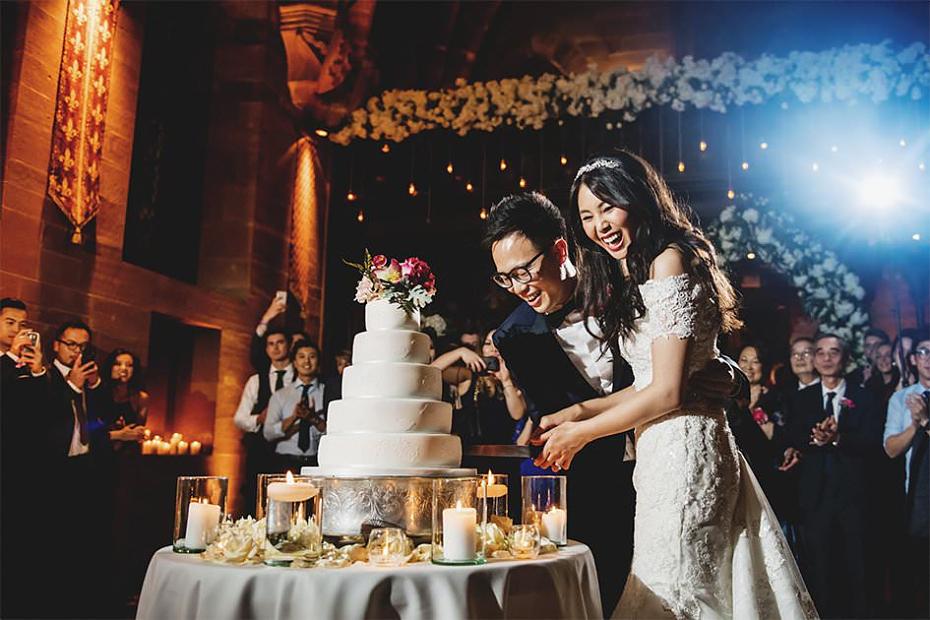
At the heart of any wedding, the cake serves as a powerful focal point that shapes the event’s atmosphere and lingering memories. Its grand reveal often becomes a highlight, drawing guests together for photos and applause, thereby amplifying the joy and excitement of the day. The cake’s placement, typically on a dedicated table, transforms it into a visual spectacle that complements the venue’s decor, influencing the overall aesthetic and thematic flow. Furthermore, the cutting ceremony creates unforgettable moments, captured in photographs that couples cherish for years, symbolizing the start of their shared life. This centrality ensures that the wedding cake doesn’t just fill a physical space; it orchestrates emotional highs, making the celebration feel complete and cohesive.
In relation to “What Is a Wedding Cake and Why It Matters?”, the cake’s impact extends beyond the event, weaving into the fabric of lasting memories and family lore. For many, the taste of the cake evokes nostalgia, serving as a sensory reminder of the day’s emotions long after the wedding. It can even influence how couples recount their story, with anecdotes about the cake’s design or mishaps becoming part of their personal history. By acting as a unifying element, the wedding cake strengthens bonds among attendees, fostering a sense of belonging and shared experience. In this way, it matters profoundly, as it encapsulates the essence of the celebration, ensuring that the wedding’s spirit endures in the hearts and minds of all involved.
Selecting the Perfect Wedding Cake: Considerations for Taste, Design, and Budget
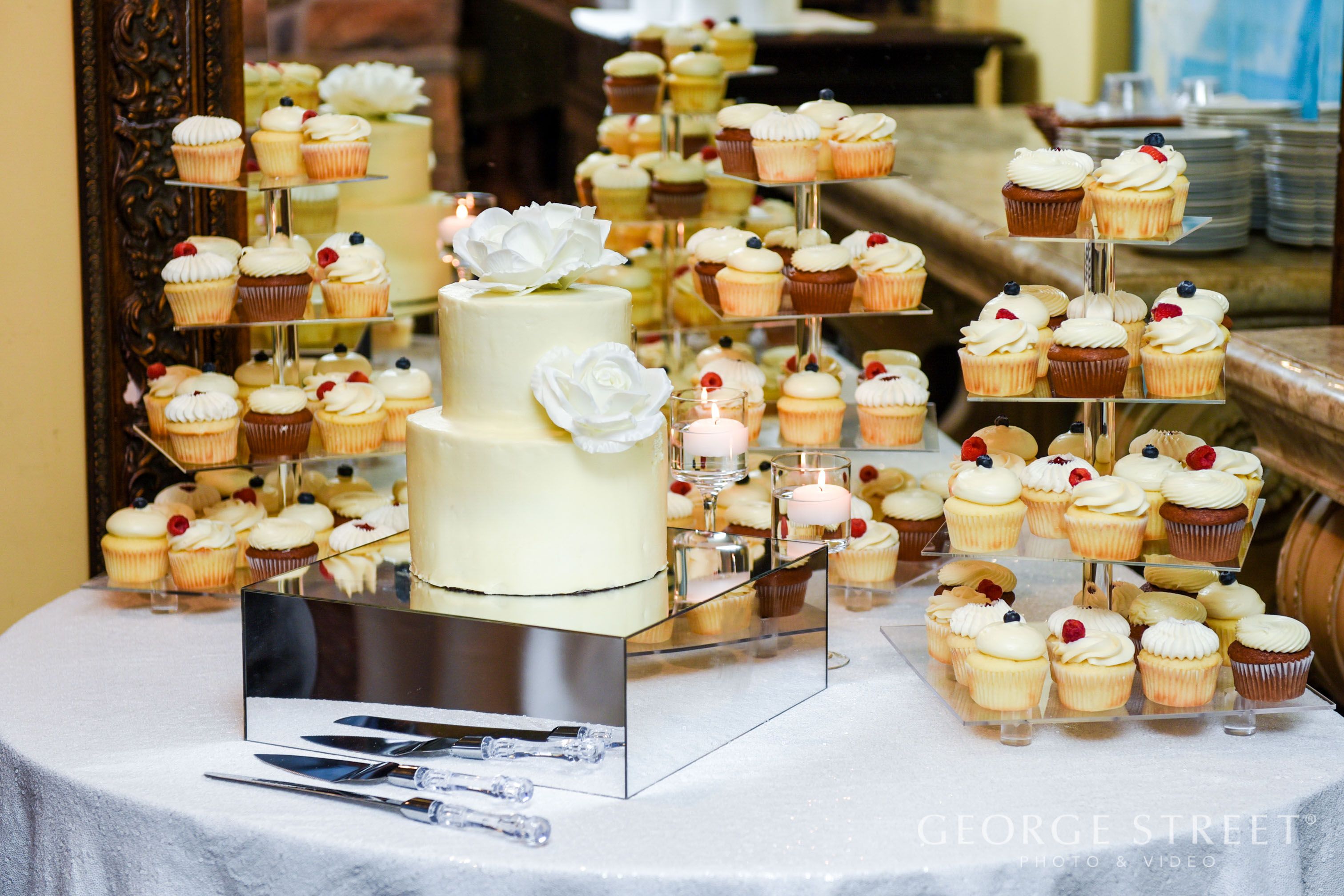
Choosing the ideal wedding cake involves a careful balance of taste, design, and budgetary constraints, turning it into a thoughtful process that reflects the couple’s priorities. Taste testing is paramount, as the cake must delight the palate; couples should sample various flavors and fillings, considering seasonal ingredients or dietary restrictions to ensure it’s enjoyable for all guests. Design-wise, factors like the cake’s size, shape, and embellishments need to align with the wedding theme, whether it’s a classic white tiered cake or a bold, colorful creation. Budget plays a crucial role too, as costs can vary widely based on complexity and materials; setting a realistic allocation early helps avoid surprises, with many opting for hybrid options like a small display cake supplemented by sheet cakes for serving.
When pondering “What Is a Wedding Cake and Why It Matters?”, the selection process highlights its importance as an investment in the wedding’s success. Beyond logistics, choosing the right cake allows couples to express their personalities, perhaps by collaborating with a baker on custom elements that tell their story, ensuring the final product feels authentic and meaningful. Considerations like venue compatibility—such as ensuring the cake fits transportation and display requirements—further emphasize its role in seamless event planning. Ultimately, a well-selected wedding cake not only satisfies on a sensory level but also enhances the emotional resonance of the day, making it a worthwhile consideration that contributes to a memorable and harmonious celebration.
Conclusion
In summary, the wedding cake stands as a multifaceted symbol in the realm of marriage, encompassing its definition as a culinary delight, its rich historical evolution, the deep symbolism embedded in its elements, the innovative trends shaping modern designs, its role as a central focus in celebrations, and the thoughtful considerations involved in selection. This exploration of “What Is a Wedding Cake and Why It Matters?” reveals how it transcends mere aesthetics to embody love, tradition, and personal expression, ultimately enhancing the emotional tapestry of a wedding and leaving lasting memories for all.