
If you’re in the midst of wedding planning, you might be wondering How Much Does a 3 Tier Wedding Cake Cost?. This essential element of your celebration can vary widely in price based on numerous factors, from design intricacies to the quality of ingredients. In this article, we’ll explore everything you need to know to make an informed decision, breaking down costs, influences, and money-saving strategies to help you find the perfect cake without breaking the bank.
Factors Influencing the Cost of a 3-Tier Wedding Cake
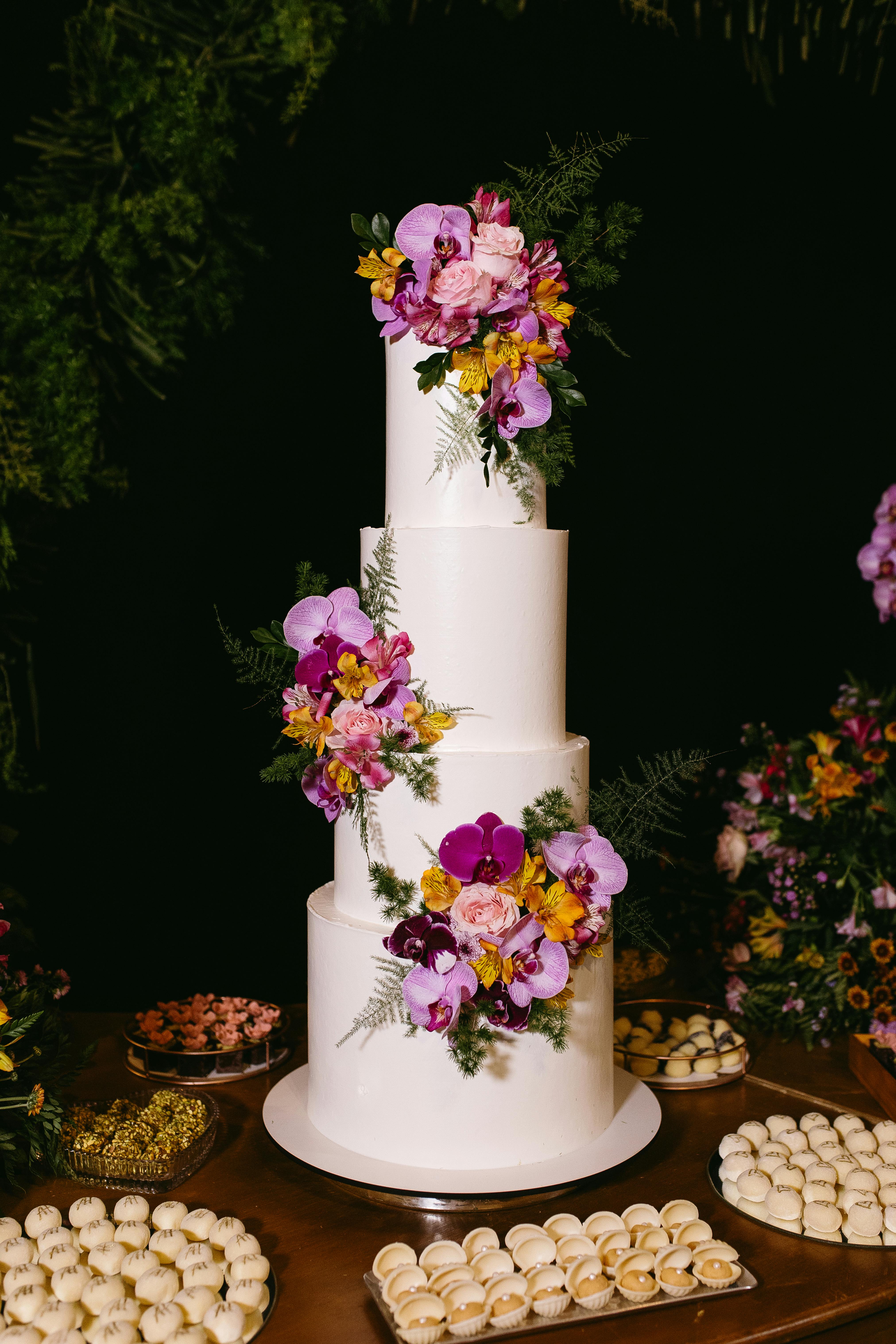
When determining How Much Does a 3 Tier Wedding Cake Cost?, several key factors come into play that can significantly sway the final price tag. At its core, the size and structure of a 3-tier cake inherently demand more resources than a single-tier option, as each layer requires precise engineering to ensure stability and aesthetic appeal. Bakers must account for the materials needed for supports, frosting, and decoration, which can escalate costs based on the cake’s height and diameter. Additionally, the time invested in crafting a 3-tier cake is substantial, involving multiple baking sessions, cooling periods, and assembly, all of which contribute to labor expenses. Beyond these basics, external elements like seasonal ingredient availability or economic trends can further influence pricing, making it essential for couples to research and compare quotes from various vendors to grasp the full scope of potential costs.
Another critical aspect is how customization options amplify the expense of a 3-tier wedding cake. For instance, couples often opt for personalized touches such as monogrammed fondant, edible flowers, or themed designs, each adding layers of complexity that demand skilled artistry and premium materials. This personalization not only extends the production time but also requires bakers to use specialized tools and techniques, which can inflate the overall budget. Moreover, the choice of cake type—whether it’s a dense fruitcake or a light sponge—plays a role, as certain flavors necessitate rarer ingredients or more intricate preparation methods. By understanding these influences, couples can better navigate the pricing landscape, ensuring their dream cake aligns with their financial realities while enhancing the wedding’s thematic elements in an engaging and memorable way.
Average Price Range for a 3-Tier Wedding Cake: A Detailed Breakdown
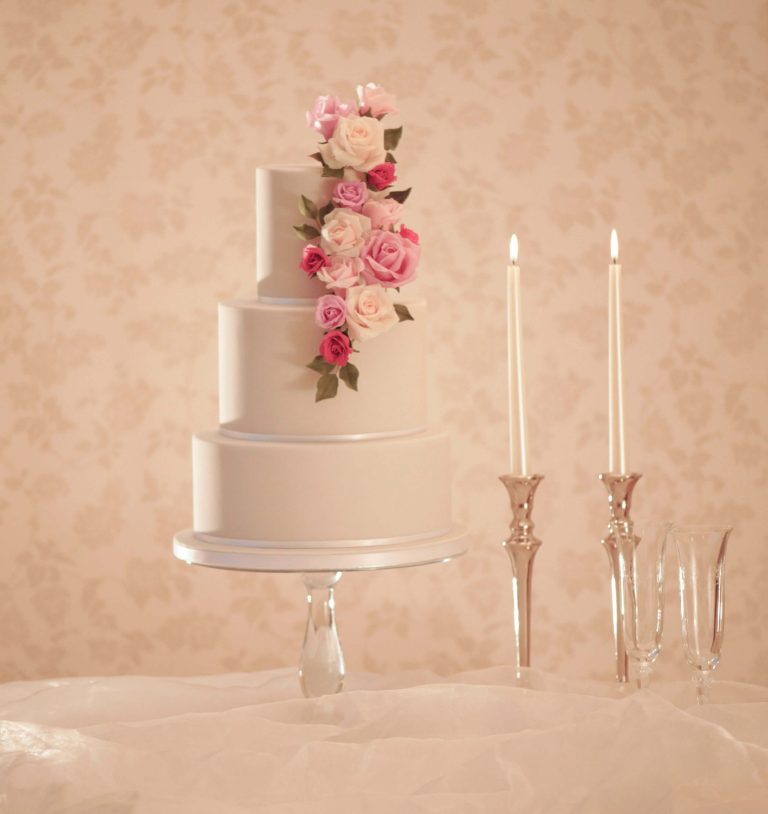
Delving into How Much Does a 3 Tier Wedding Cake Cost? reveals a broad average price range that typically spans from $200 to $800 or more, depending on various variables that make each wedding unique. At the lower end, a basic 3-tier cake—around 10-12 inches in diameter for the base tier—might cost about $200 to $400, especially if you’re opting for straightforward designs with buttercream frosting and minimal decorations. This range often applies to smaller weddings or those held in less expensive regions, where local bakeries use standard ingredients and efficient production methods. However, as you move up the scale, factors like the number of servings (a standard 3-tier cake serves 50-100 people) and basic embellishments can push the price toward $500 to $600. It’s fascinating to note how inflation and supply chain issues in recent years have nudged these averages upward, with many couples reporting costs closer to $700 for mid-range options that include simple piping or fresh fruit accents, making it crucial to budget with current market trends in mind.
To provide a more comprehensive breakdown, consider that high-end 3-tier cakes can exceed $800 when incorporating luxurious elements such as gold leaf, intricate sugar work, or custom molds. For example, a cake from a renowned bakery in a major city might start at $600 for a standard design but soar to $1,000 if it features handmade fondant figures or specialty flavors like champagne-infused layers. This variance is not just about aesthetics; it’s tied to the cake’s structural integrity, where additional tiers require reinforced supports that add to the cost. Engagingly, many bakers offer tiered pricing packages—such as basic, premium, and deluxe—that break down these ranges, allowing couples to visualize how upgrades affect the total. By examining real-world examples, like online reviews or vendor portfolios, you can see how a seemingly simple 3-tier cake evolves into a centerpiece that justifies its price through both visual appeal and taste, helping you make a decision that’s as delightful as it is practical.
Cake Design and Complexity: How it Impacts the Final Price
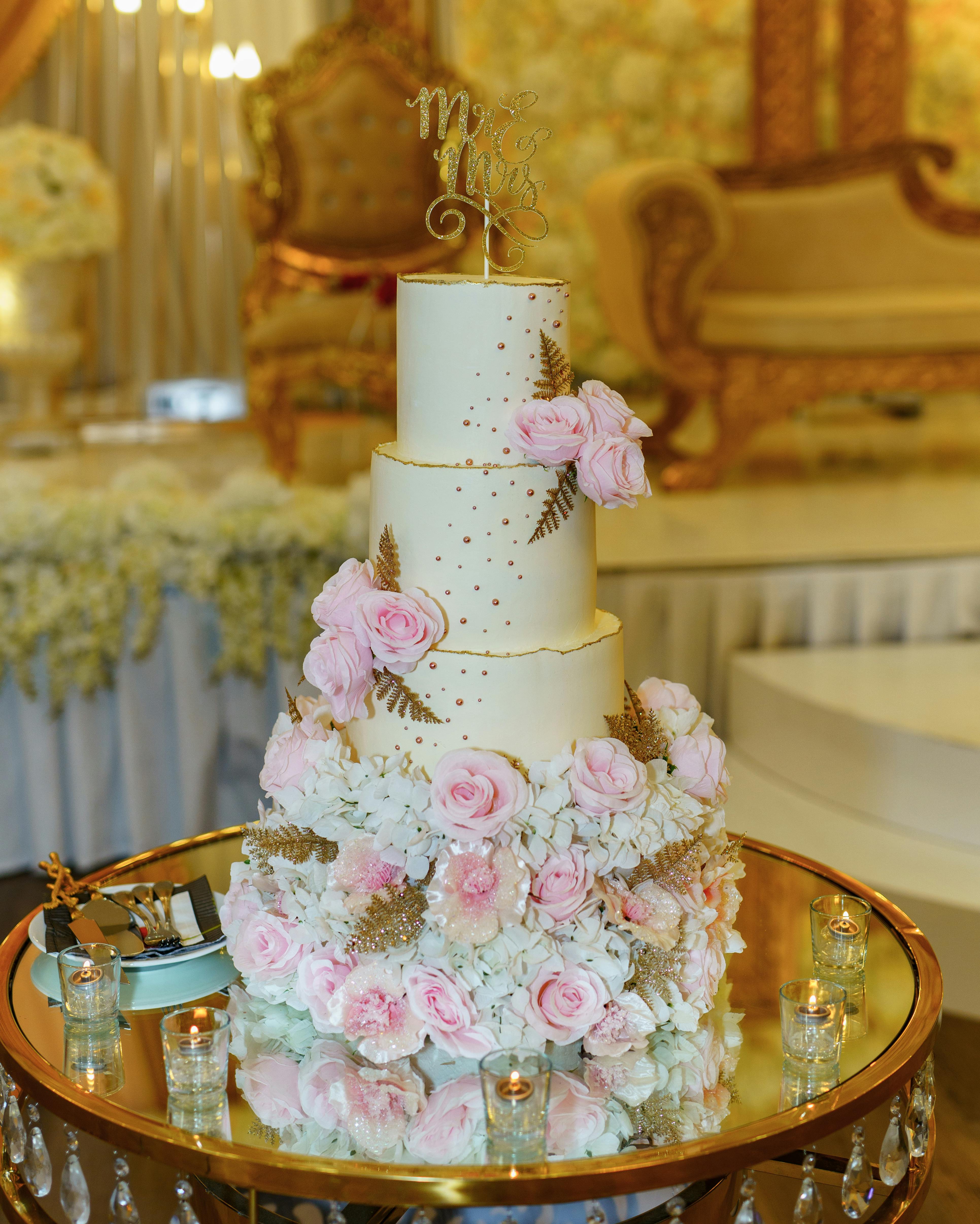
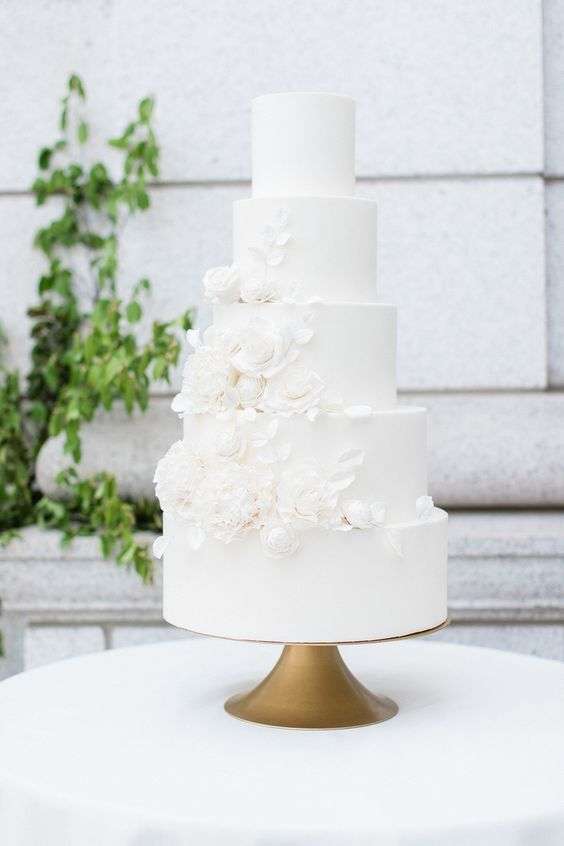
Exploring How Much Does a 3 Tier Wedding Cake Cost? highlights how cake design and complexity are among the most direct influencers of the final price, turning a simple dessert into a bespoke masterpiece. A basic 3-tier design might involve smooth icing and a few piped borders, keeping costs relatively low by relying on efficient techniques that don’t require extensive artistry. However, as designs grow more elaborate—think cascading flowers, sculpted tiers, or ombre effects—the price escalates due to the increased labor and materials needed. For instance, a cake with hand-painted details or ruffled fondant can demand hours of meticulous work from skilled decorators, who charge premium rates for their expertise. This complexity not only affects the timeline, potentially requiring weeks of preparation, but also introduces risks like structural failures, which experienced bakers mitigate with added reinforcements, further driving up the cost in a way that’s both intriguing and essential for a flawless wedding day.
In greater depth, the impact of design on pricing extends to thematic elements that personalize the cake, making it a reflection of the couple’s story. A rustic 3-tier cake with buttercream swirls and fresh greenery might cost $300 to $500, whereas a modern geometric design with metallic accents could reach $700 or more, thanks to the specialized tools and edible materials involved. This escalation is engaging because it transforms the cake from a mere formality into an interactive element of the event, where guests admire the craftsmanship as much as they enjoy the taste. Beyond aesthetics, complexity influences longevity; for example, a cake with perishable decorations might require refrigeration or on-site assembly, adding logistical fees. By weighing these factors, couples can appreciate how design choices not only elevate the visual appeal but also contribute to the overall expense, ensuring their investment yields a truly unforgettable highlight of the reception.
Ingredient Quality and Flavor Choices: Cost Considerations
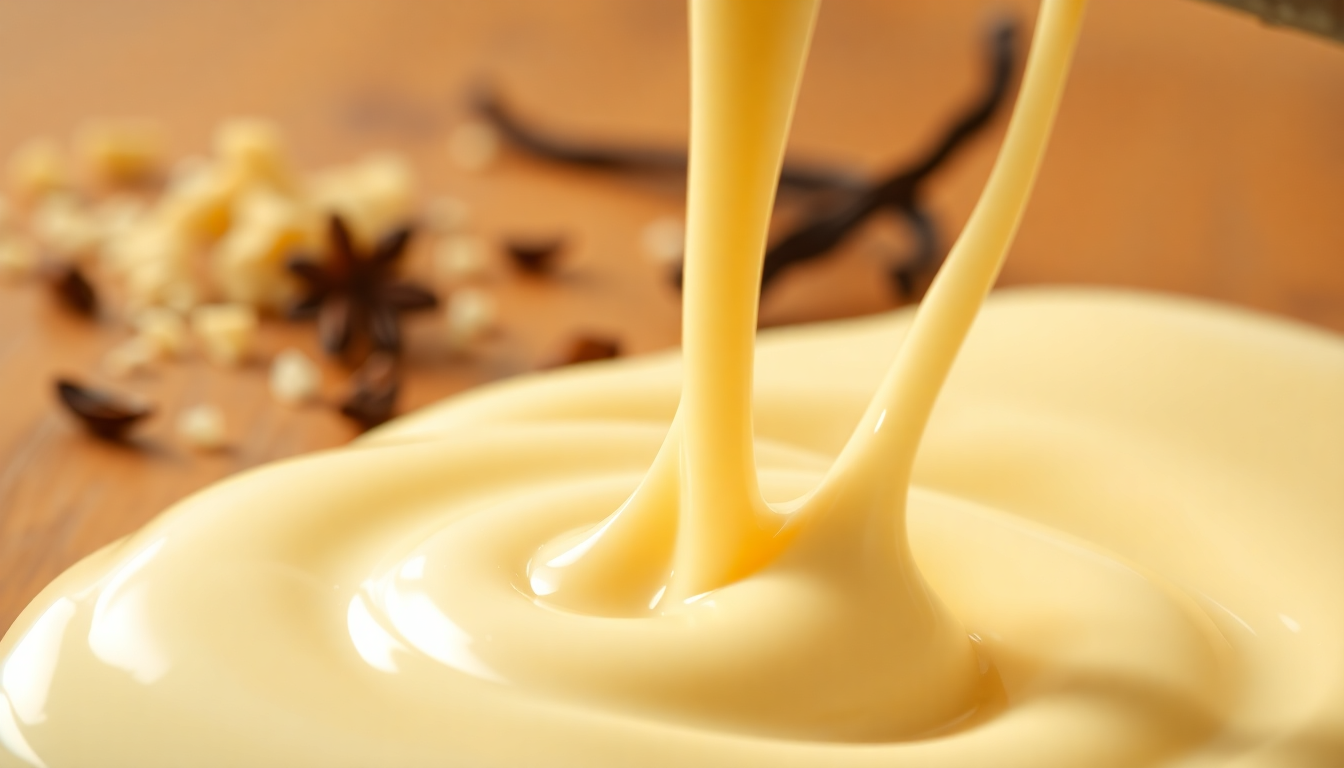
When pondering How Much Does a 3 Tier Wedding Cake Cost?, the quality of ingredients and flavor selections emerge as pivotal cost considerations that can make or break the budget. High-quality ingredients, such as organic flour, fresh vanilla beans, or artisan chocolate, naturally command higher prices due to their sourcing and purity, often increasing the base cost by 20-50% compared to generic alternatives. For a 3-tier cake, where multiple layers amplify the ingredient volume, choices like real butter versus shortening in frostings can significantly impact the total, as premium options enhance flavor profiles and texture, making the cake a standout feature. This emphasis on quality isn’t just about taste; it’s about elevating the entire wedding experience, where guests savor the difference in a cake that feels indulgent and memorable, encouraging couples to think beyond the immediate expense for long-term satisfaction.
Further, flavor choices add another layer of cost dynamics, as exotic or custom blends require specialized expertise and materials. A standard vanilla or chocolate 3-tier cake might stay within a modest $300 range, but incorporating unique flavors like raspberry champagne or salted caramel infuses additional expenses for rare ingredients and potential allergen-free adaptations. This is particularly engaging because it allows for personalization—perhaps mirroring the couple’s favorite desserts—while vendors might charge extra for flavor testing sessions or recipe development. In practice, opting for seasonal fruits can keep costs down by leveraging affordable, fresh options, whereas imported elements like pistachios or exotic spices could push prices upward. Ultimately, these decisions underscore how ingredient quality and flavors not only dictate the cake’s appeal but also reflect the couple’s priorities, turning a simple treat into a thoughtful investment that resonates with everyone at the event.
Location, Vendor Reputation, and Delivery Fees: Hidden Costs to Consider

In assessing How Much Does a 3 Tier Wedding Cake Cost?, location plays a surprisingly significant role, as regional differences in living costs and market demands can lead to substantial price variations. For example, a 3-tier cake in a bustling city like New York might cost $500 to $1,000 due to higher overheads for bakeries, while the same cake in a rural area could be priced at $300 to $600, reflecting lower real estate and labor expenses. Vendor reputation further complicates this, with established, award-winning bakers charging a premium for their proven track record, often 20-30% more than newcomers, as their expertise ensures a flawless product. Delivery fees add another hidden layer, especially for destination weddings, where transporting a multi-tier cake might involve specialized vehicles, insurance, and on-site setup, potentially tacking on $50 to $200 or more to the total bill, making it essential to factor in these logistics early.
Beyond the obvious, these elements create an engaging narrative around the wedding cake’s journey from bakery to table. A vendor with a stellar reputation might offer perks like complimentary tastings or custom consultations, justifying their higher fees through superior service and reliability, which can prevent last-minute disasters. For instance, in areas prone to weather extremes, delivery fees could include climate-controlled transport to maintain the cake’s integrity, adding to the cost but ensuring it arrives in perfect condition. This interplay between location, reputation, and fees highlights how seemingly minor details can accumulate, influencing not just the price but the overall wedding experience. By researching local options and reading reviews, couples can uncover these hidden costs, turning potential pitfalls into opportunities for a seamless and stress-free celebration.
Tips for Saving Money on Your 3-Tier Wedding Cake
When it comes to How Much Does a 3 Tier Wedding Cake Cost?, savvy couples can employ several tips to trim expenses without sacrificing quality, starting with timing your order strategically. Booking your cake well in advance—ideally 6-12 months ahead—allows you to snag off-peak discounts or promotional packages from bakeries, as they often lower prices for weddings outside of peak seasons like summer or holidays. Additionally, opting for a smaller base tier or fewer elaborate decorations can reduce material costs significantly, while still maintaining a stunning 3-tier appearance that wows guests. Another effective strategy is to collaborate closely with your baker, discussing budget constraints upfront to explore cost-effective alternatives, such as using buttercream instead of fondant, which is both cheaper and easier to work with, making the process more engaging and personalized.
Further, exploring non-traditional options can yield substantial savings on your 3-tier wedding cake. For example, sourcing ingredients yourself for a DIY approach might not be feasible for everyone, but partnering with a local grocery store bakery could offer affordable customizations at a fraction of high-end vendor prices. Consider bundling services, like combining your cake order with other wedding desserts, to negotiate bulk discounts that lower the per-unit cost. It’s also worth investigating online vendors or cake delivery services that specialize in budget-friendly designs, ensuring they meet your quality standards through reviews and samples. By implementing these tips, you not only manage costs effectively but also add a layer of creativity to your wedding, turning what could be a financial burden into an exciting part of the planning process that enhances the day’s joy.
Conclusion
In summary, understanding How Much Does a 3 Tier Wedding Cake Cost? involves considering a multitude of factors, from the core influences like size and design to the nuances of ingredient quality, location, and vendor choices, all of which can shape a budget ranging from $200 to over $800. By breaking down average price ranges and exploring how complexity impacts expenses, couples can make informed decisions that balance extravagance with affordability, while tips for saving money ensure that even modest budgets yield impressive results. Ultimately, this guide highlights the importance of personalization and strategic planning to create a wedding cake that not only fits your financial framework but also becomes a cherished centerpiece of your special day.