


How Much Does a Wedding Cost on Average? This is a question that echoes through the minds of countless couples embarking on the journey of marriage. According to recent studies, the national average wedding cost in the United States hovers around $28,000, though this figure can fluctuate significantly based on various factors such as location, guest list size, and personal preferences. Understanding these costs is crucial for effective planning, as weddings represent not just a celebration but a substantial financial investment. In this article, we delve into the intricacies of wedding expenses, exploring averages, influences, and strategies to help you navigate your big day without breaking the bank.
National Average Wedding Cost: A Comprehensive Overview
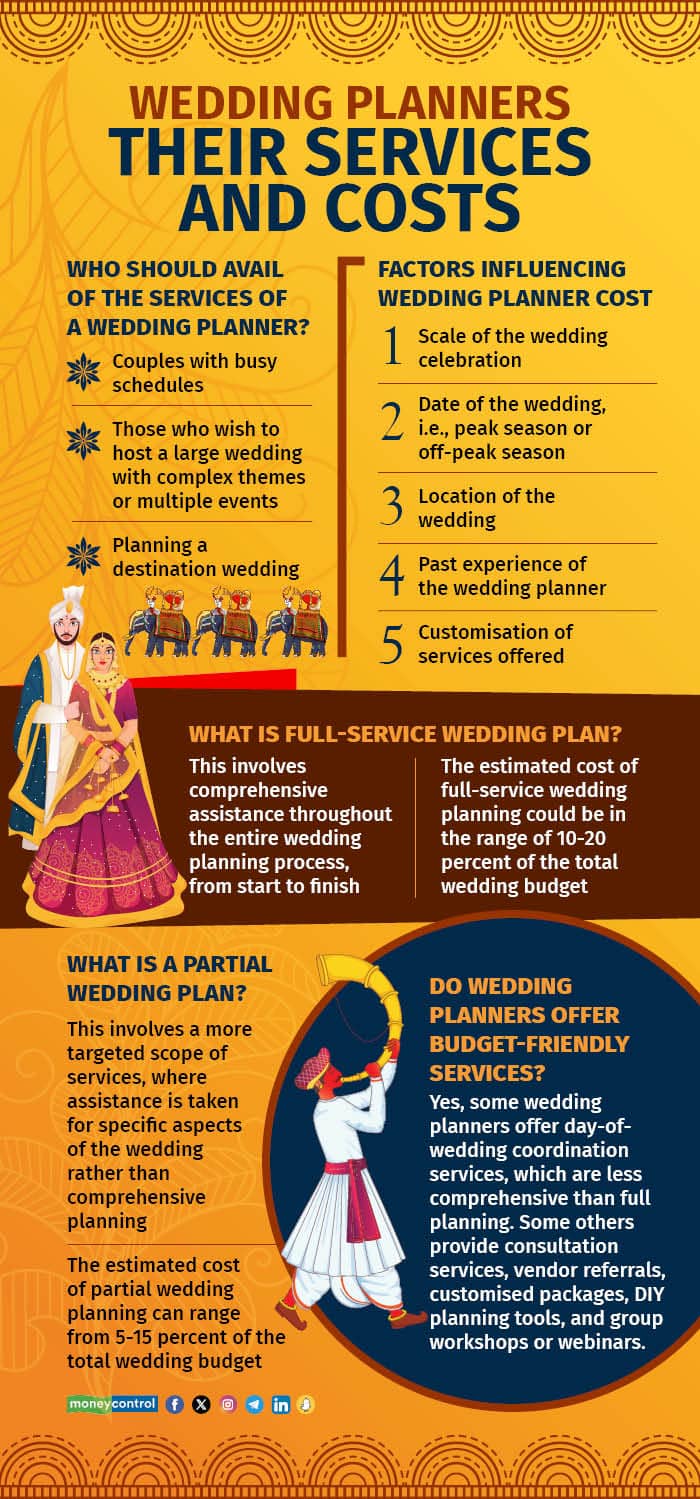
The national average wedding cost in the United States, as reported by sources like The Knot and WeddingWire, stands at approximately $28,000 for a traditional wedding. This figure encompasses everything from the engagement ring to the honeymoon, but it doesn’t tell the full story—underlying trends show that costs have risen steadily over the past decade due to inflation, increased demand for personalized experiences, and the influence of social media. For instance, in 2015, the average was about $25,000, but by 2023, it had climbed due to factors like higher venue prices and elaborate decor trends. Beyond the headline number, how much does a wedding cost on average also varies by couple demographics; younger couples might spend more on trendy elements like photo booths and live bands, while older couples could prioritize simplicity. This overview highlights the importance of considering not just the average but how it applies to individual circumstances, making wedding planning a personalized financial puzzle.
Delving deeper, the average cost breaks down into key components that reveal why weddings are such a significant expense. For example, the venue and catering alone can account for nearly half of the total budget, with averages around $11,000 for these elements combined. Engagement rings and other jewelry add another $6,000 on average, reflecting the emotional and cultural weight placed on these symbols. What’s fascinating is how global events, like the COVID-19 pandemic, have reshaped these averages; many couples postponed weddings, leading to a surge in 2022 “revenge weddings” that pushed costs even higher due to pent-up demand. This section isn’t just about numbers—it’s about understanding the broader economic context, such as how supply chain issues have driven up floral and decor prices, making how much does a wedding cost on average a dynamic figure that evolves with societal shifts.
Factors Influencing Wedding Expenses: Location, Guest Count, and Style
Location plays a pivotal role in determining wedding costs, as urban areas like New York City or Los Angeles often command premium prices due to high demand and real estate values. For instance, a beach wedding in Hawaii might average $35,000, while a rural ceremony in the Midwest could be as low as $15,000, primarily because of differences in vendor availability and local economies. Beyond the basics, how much does a wedding cost on average is influenced by seasonal factors; peak wedding months like June and October see inflated prices for venues and services due to competition. Guest count amplifies this, as each additional invitee can add hundreds to the budget through catering, seating, and favors—hosting 100 guests versus 50 might double your expenses overnight.
Style choices further complicate the equation, with couples opting for elaborate themes or cultural traditions driving up costs significantly. A rustic barn wedding might emphasize DIY elements to keep things affordable, whereas a black-tie affair in a luxury hotel could easily exceed $50,000 due to gourmet catering and designer attire. Engagingly, the rise of eco-friendly weddings has introduced new variables, like sourcing sustainable materials, which can either save money or add costs depending on execution. This interplay of factors means that how much does a wedding cost on average isn’t static; it’s a reflection of personal priorities, where a couple’s vision for their day shapes the financial outcome in profound ways.
Breaking Down the Budget: Common Wedding Cost Categories

When breaking down the budget, the venue often emerges as the largest expense, typically consuming 30-50% of the total, with averages ranging from $5,000 for a basic park pavilion to $15,000 for an upscale ballroom. Other categories like photography and videography add another layer, averaging $2,500 to $4,000, as couples seek high-quality memories that capture every heartfelt moment. Going beyond the surface, how much does a wedding cost on average involves understanding hidden fees, such as overtime charges for vendors or setup costs, which can inflate your initial estimates. For example, a seemingly straightforward reception might include add-ons like lighting and sound systems, turning a modest budget into a more substantial one through overlooked details.
Catering and beverages represent another major category, often accounting for 20-30% of expenses, with per-person costs varying from $50 for a buffet to $150 for a plated dinner with open bar. Flowers, decor, and entertainment follow closely, averaging $2,000 to $3,000 each, and these elements allow for creative expression that elevates the event’s ambiance. To make this engaging, consider how trends like personalized wedding favors—such as custom cookies or monogrammed gifts—can add a unique touch but also increase costs by 10-20%. Ultimately, how much does a wedding cost on average is about strategic allocation, where prioritizing certain categories, like investing in a top-tier DJ for $1,500, can enhance the experience without derailing the entire budget.
Regional Variations in Wedding Costs: Where You Get Married Matters

Regional variations mean that how much does a wedding cost on average can differ dramatically across the United States; for example, couples in the Northeast might face averages of $40,000 due to high living costs in states like New York, while those in the South could plan for around $20,000 in more affordable areas like Texas. This disparity arises from factors such as property values and vendor competition, with urban centers inflating prices through exclusive venues and premium services. Beyond statistics, cultural influences play a role—Southern weddings often incorporate traditions like live music and extensive feasts, adding to the expense in a way that reflects regional heritage.
Exploring further, the West Coast sees averages around $35,000, driven by desires for outdoor, scenic locations that require permits and specialized setups, whereas the Midwest offers budget-friendly options averaging $25,000, thanks to abundant rural spaces and lower service fees. This variation isn’t just geographical; it’s tied to local economies, where a wedding in Las Vegas might leverage package deals to keep costs under $20,000, contrasting with the bespoke experiences in Boston that push figures higher. Engagingly, how much does a wedding cost on average in international contexts, like a destination wedding in Mexico, could average $10,000 less than a domestic one, highlighting how global options provide flexibility for cost-conscious couples navigating these regional dynamics.
Cost-Saving Strategies: How to Reduce Your Wedding Expenses

One effective cost-saving strategy is opting for an off-peak wedding date, such as a winter ceremony, which can reduce venue costs by 20-30% due to lower demand and allow for more negotiating power with vendors. DIY elements, like creating your own centerpieces or invitations, not only cut expenses—potentially saving $1,000 or more—but also add a personal touch that makes the event feel uniquely yours. Beyond the basics, how much does a wedding cost on average can be lowered by rethinking guest lists; limiting invites to close family and friends might trim catering bills by hundreds, while still maintaining an intimate atmosphere.
Another approach involves leveraging technology and social media to find deals, such as using apps for discounted floral arrangements or group buying for attire, which could reduce overall expenses by 15%. Bartering services, like offering a vendor free promotion in exchange for photography, is a creative way to offset costs without compromising quality. To keep this engaging, consider real-world examples: a couple who chose a backyard reception saved $5,000 compared to a hall rental, illustrating how how much does a wedding cost on average becomes more manageable through innovative planning and prioritization of what’s truly essential.
Planning Tools and Resources: Managing Your Wedding Budget Effectively
Digital tools like wedding planning apps, such as The Knot or Zola, provide comprehensive budget trackers that help couples allocate funds and monitor expenses in real-time, making it easier to stay under the average cost. These resources go beyond simple spreadsheets by offering personalized recommendations based on your location and style, ensuring that how much does a wedding cost on average aligns with your financial reality. For instance, apps can suggest cost-effective vendors or alert you to overspending in categories like decor, turning abstract budgeting into an interactive process.
Books and online communities, like those on Reddit or wedding forums, serve as invaluable resources for sharing tips and templates, helping novices navigate the complexities of wedding finances. Engagingly, professional planners often use software like HoneyBook to streamline payments and contracts, which couples can access for free trials to manage their own budgets. This approach ensures that how much does a wedding cost on average is not overwhelming, as these tools provide educational content, such as webinars on negotiation tactics, empowering couples to make informed decisions and maintain control over their special day.
Conclusion
In summary, how much does a wedding cost on average is a multifaceted question influenced by national trends, regional differences, and personal choices, with the typical U.S. wedding averaging around $28,000 but varying widely based on factors like location, guest count, and style. By breaking down the budget into categories such as venue, catering, and entertainment, couples can identify key areas for savings while exploring strategies like off-peak dates and DIY projects to reduce expenses. Regional variations highlight the importance of where you marry, and utilizing planning tools ensures effective management, ultimately allowing for a memorable celebration without undue financial strain. This overview empowers engaged pairs to plan thoughtfully, balancing their dreams with practical realities for a joyous and sustainable wedding experience.