

Is a DIY Wedding Cake Really Worth Making Yourself? This question often arises for couples planning their big day, as the idea of crafting a personalized cake can seem both thrilling and daunting. While the allure of saving money and adding a personal touch is undeniable, it’s essential to weigh the pros and cons carefully. In this article, we’ll explore whether taking on the challenge of baking your own wedding cake is a rewarding endeavor or one that might lead to unnecessary stress, drawing from real-world experiences, expert insights, and practical considerations to help you decide if this creative pursuit aligns with your wedding vision.
The Allure and Reality of the DIY Wedding Cake
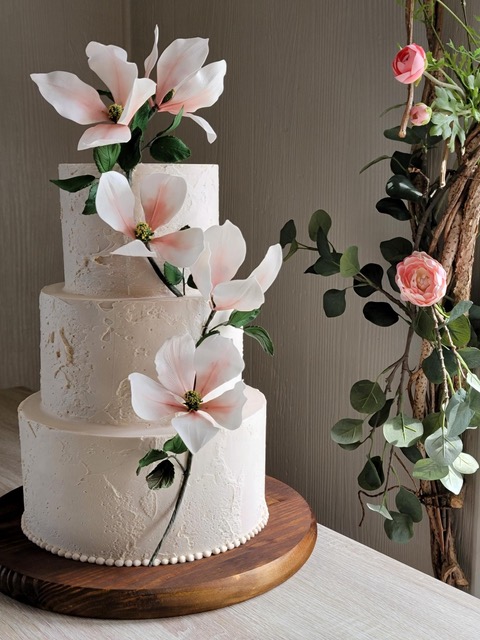
The concept of a DIY wedding cake carries an irresistible charm, evoking images of couples bonding over flour-dusted counters and creating a centerpiece that truly reflects their unique story. Many people are drawn to this idea because it promises a sense of accomplishment and personalization that a store-bought cake simply can’t match. For instance, you could incorporate family recipes, favorite flavors, or intricate designs that hold sentimental value, turning the cake into a labor of love rather than just a dessert. Social media platforms like Pinterest and Instagram amplify this allure, showcasing stunning homemade cakes that inspire brides and grooms to think, “We could do that!” However, the reality often diverges from these polished images. Beneath the glossy surface lies the potential for unexpected challenges, such as recipe failures or design mishaps, which can turn what was meant to be a fun project into a source of frustration. Is a DIY Wedding Cake Really Worth Making Yourself when the pressure of perfection looms large, especially on a day meant for celebration? By examining both the romanticized appeal and the practical truths, couples can better gauge if their enthusiasm will withstand the baking process.
Yet, it’s crucial to acknowledge that not every DIY attempt ends in disaster; for some, it becomes a highlight of their wedding preparations. Consider the stories of couples who successfully pull off elaborate cakes, sharing tips on forums and blogs about how the experience strengthened their relationship and created lasting memories. This reality check encourages potential bakers to assess their motivations honestly— is it about cost-saving, creativity, or proving a point? Engaging with this process means diving into the world of baking tutorials, ingredient sourcing, and trial runs, which can be educational and enjoyable. Nevertheless, the flip side reveals that the idealized vision might not align with everyday constraints, like limited kitchen space or unpredictable weather that could affect frosting consistency. Is a DIY Wedding Cake Really Worth Making Yourself if it risks overshadowing the joy of the occasion with last-minute fixes? Through balanced exploration, we see that while the allure is potent, the reality demands realistic expectations to ensure the final product enhances, rather than detracts from, the wedding experience.
Cost Analysis: Comparing Professional Bakers Versus Homemade Creations
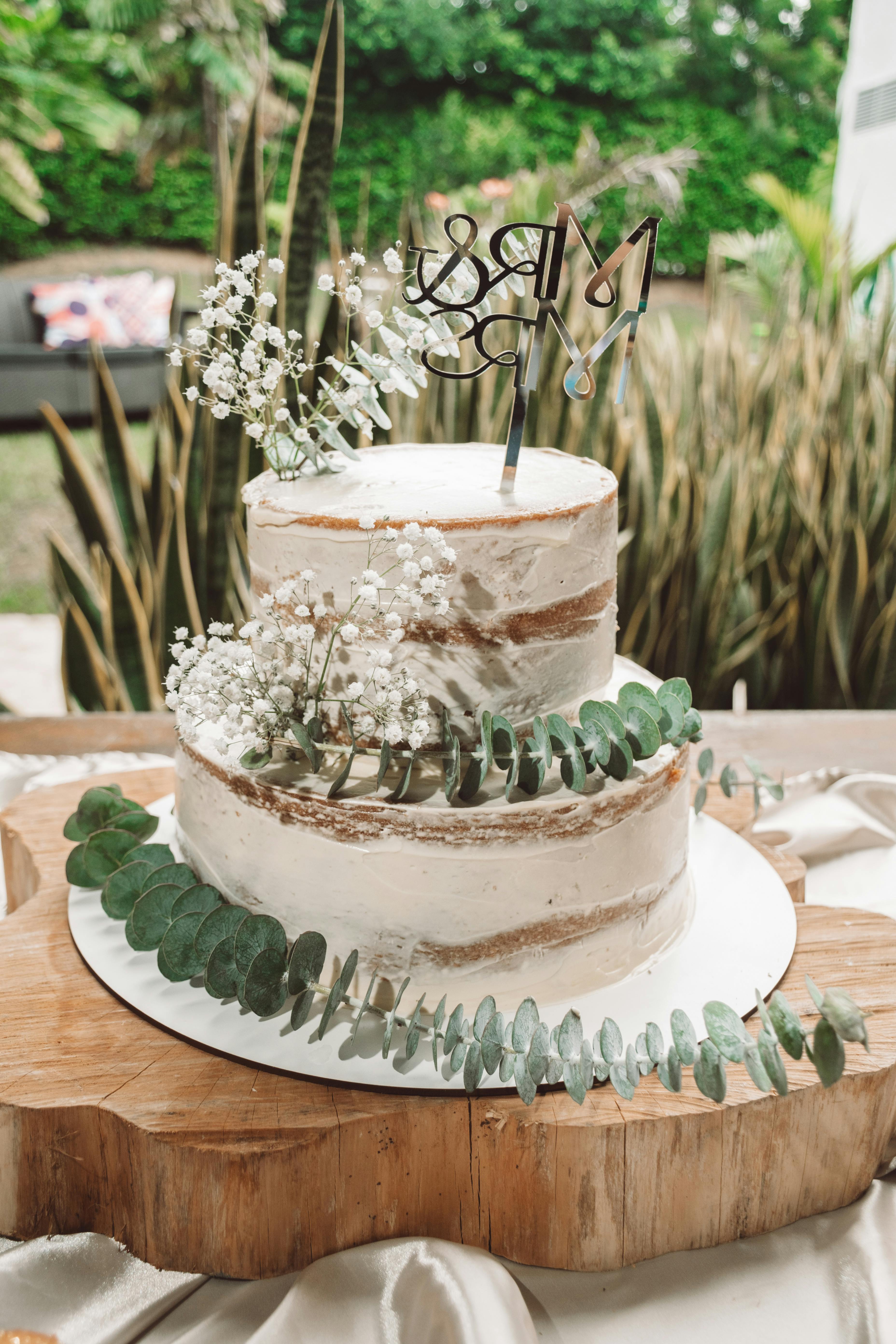
When evaluating the finances of a wedding cake, the initial temptation of a DIY approach often stems from the perception that it’s a budget-friendly alternative to hiring a professional baker. A professionally made cake can range from $300 to $1,000 or more, depending on size, design complexity, and location, factoring in high-quality ingredients, expert labor, and delivery services. In contrast, making your own might seem economical at first glance; basic ingredients like flour, sugar, and butter could cost as little as $50 to $200 for a modest three-tier cake, with additional expenses for decorations and tools. However, this comparison overlooks hidden costs, such as the value of your time— if you’re spending weekends practicing recipes, that’s time away from work or other preparations that could equate to hundreds of dollars in opportunity costs. Is a DIY Wedding Cake Really Worth Making Yourself when the total expenditure, including potential wastage from failed attempts, might edge closer to professional prices? By breaking down these elements, couples can conduct a thorough cost-benefit analysis that considers not just monetary savings but also the intangible investments in effort and resources.
Digging deeper, the economic advantages of DIY baking can shine through for those with access to bulk discounts or pre-existing kitchen equipment, potentially slashing costs by up to 70% compared to professional services. For example, if you’re adept at sourcing organic ingredients from local markets or have friends willing to lend baking pans, the savings become more apparent. Yet, this narrative must be tempered with the risks: a subpar cake might necessitate last-minute purchases from a bakery, effectively doubling the expense. Engaging narratives from real couples illustrate this point— one bride saved $400 by baking her own but spent an extra $100 on repairs after a structural collapse, while another found that professional bakers offered package deals including setup, which added value beyond the cake itself. Is a DIY Wedding Cake Really Worth Making Yourself in a financial sense, especially when inflation and supply chain issues could drive up ingredient prices unexpectedly? Ultimately, a comprehensive cost analysis reveals that while DIY can be wallet-friendly for the frugal and skilled, it requires meticulous planning to avoid financial pitfalls that might make professional services the wiser choice.
Time Commitment and Skill Assessment: Are You Prepared for the Challenge?
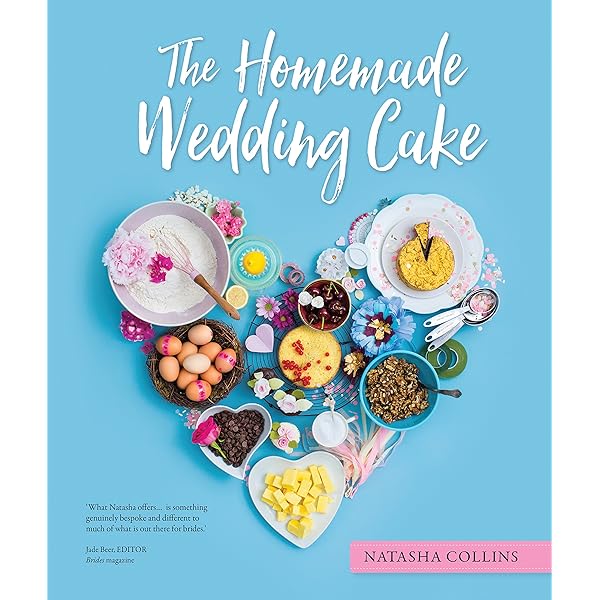
Embarking on a DIY wedding cake project demands a significant investment of time, often underestimated by enthusiastic beginners who envision a straightforward weekend bake. From conceptualizing the design to multiple test runs and final assembly, the process can consume 20 to 50 hours or more, depending on the cake’s complexity. For instance, mastering fondant work or ensuring structural stability for multi-tiered cakes requires not only hours of practice but also research into techniques via online courses or books. This time commitment extends into your daily routine, potentially conflicting with wedding planning, work, or personal life, and raises the question: Are you truly prepared for the physical and mental demands? Skill assessment is equally vital; while basic baking skills might suffice for a simple sponge cake, creating an Instagram-worthy masterpiece calls for expertise in areas like temperature control, decoration, and food safety. Is a DIY Wedding Cake Really Worth Making Yourself if your current skill level means starting from scratch, possibly leading to frustration and incomplete results?
Beyond the initial hours, the ongoing commitment involves continuous learning and adaptation, turning what could be a hobby into a full-fledged endeavor. Stories abound of couples who transformed their baking novices into experts through dedication, emerging with not just a cake but a newfound passion. However, this path isn’t for everyone; those with demanding jobs or limited experience might find the challenge overwhelming, especially when deadlines loom. Evaluating your readiness means honestly appraising factors like patience, creativity, and access to guidance— do you have a mentor or community to troubleshoot issues? Is a DIY Wedding Cake Really Worth Making Yourself when the time invested could instead be spent on other meaningful aspects of your wedding, like venue selection or guest interactions? By thoroughly assessing your time and skills, you can determine if the challenge will be a fulfilling journey or an unnecessary burden.
Logistical Hurdles: Transportation, Storage, and Presentation of a Self-Made Cake
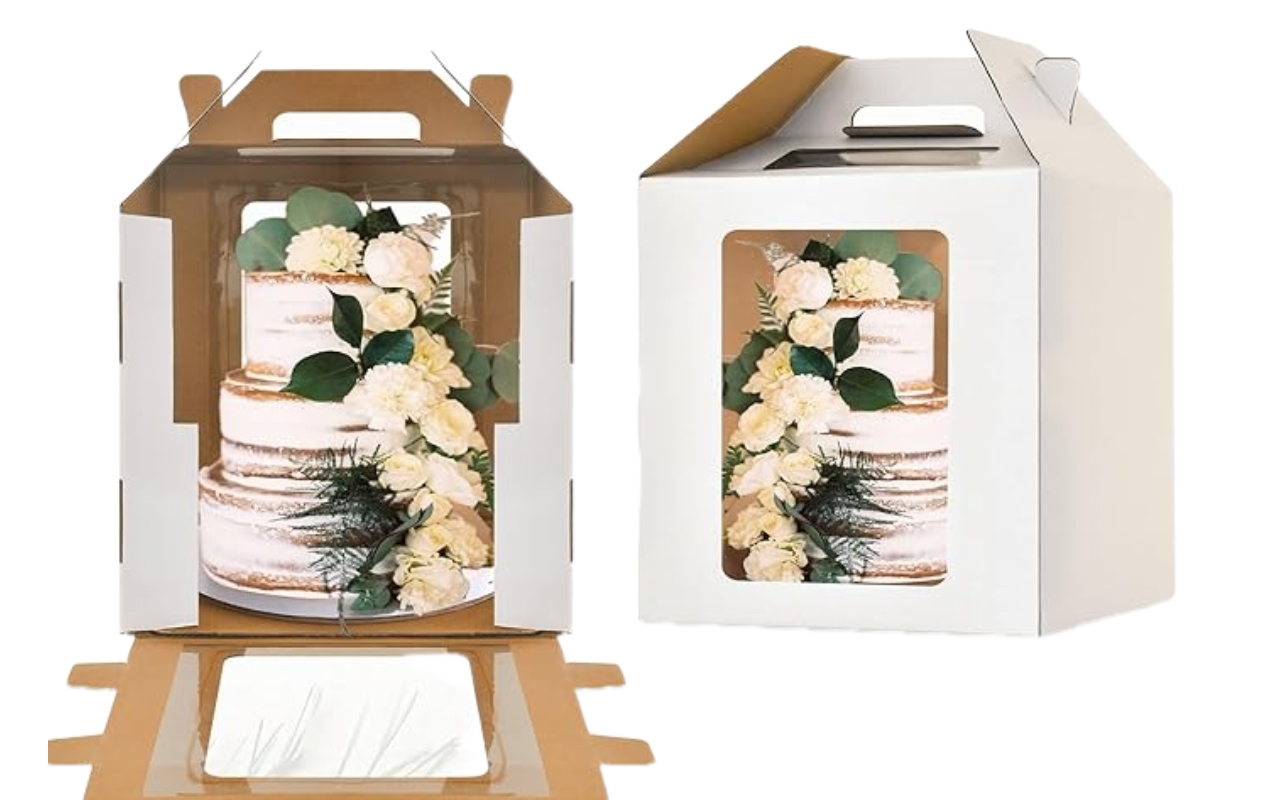
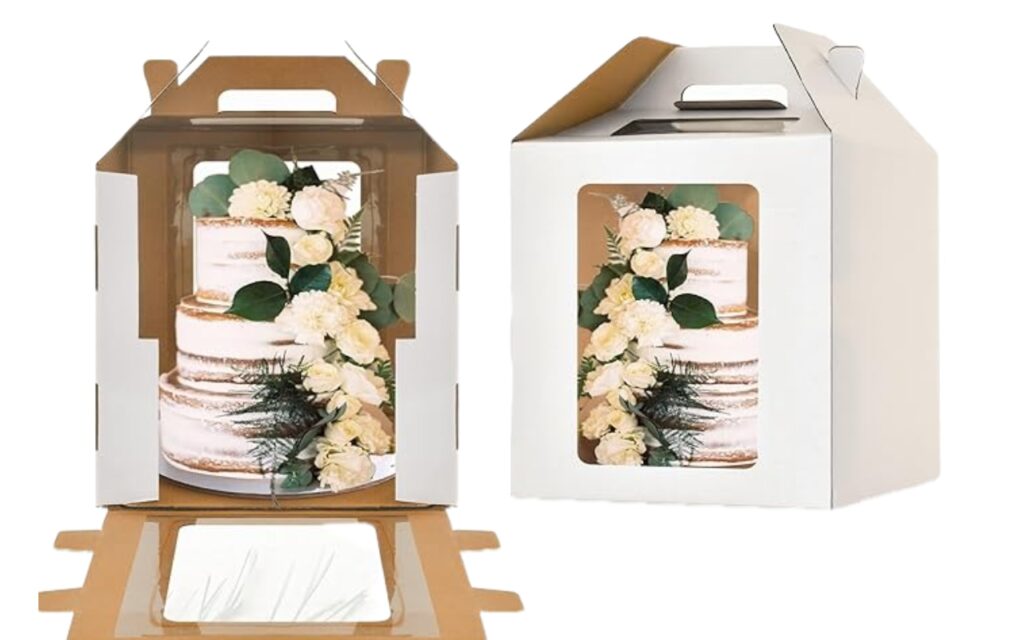
The logistical aspects of handling a DIY wedding cake present formidable hurdles that can make or break the final outcome, starting with the precarious task of transportation. Unlike professional bakers who use specialized vehicles and packaging, transporting a homemade cake yourself means navigating bumpy roads, varying temperatures, and the risk of collapses, all while ensuring the cake remains intact over potentially long distances. For example, a multi-tiered cake might require custom boxes, stabilizers, and a steady vehicle, with even minor jolts causing irreparable damage. Storage adds another layer of complexity; cakes need specific conditions to maintain freshness, such as cool, dry environments away from direct sunlight, which might not be feasible at a venue without proper refrigeration. Is a DIY Wedding Cake Really Worth Making Yourself if these logistics turn into a stressful ordeal, possibly requiring additional hires like a refrigerated van that could negate cost savings?
Presentation, the culminating step, demands not only aesthetic finesse but also timely execution to ensure the cake looks flawless during the event. Factors like humidity affecting icing or unexpected venue issues can complicate this, requiring on-the-spot adjustments that might overwhelm an inexperienced baker. Engaging accounts from those who’ve tackled this reveal mixed results: some couples mastered it with meticulous planning, while others faced public mishaps that marred their special day. Is a DIY Wedding Cake Really Worth Making Yourself when the presentation might fall short of professional standards, impacting photos and guest experiences? Addressing these hurdles through proactive strategies, like practicing transportation runs or scouting storage options, can mitigate risks, but they underscore the importance of realistic planning in the DIY equation.
The Emotional Return: Measuring Sentimental Value Against Potential Stress
The emotional rewards of baking your own wedding cake can be profound, offering a deep sense of pride and connection that elevates the entire event. For many couples, the act symbolizes their partnership— working together through floury messes and sweet successes fosters intimacy and shared memories that last a lifetime. This sentimental value is often highlighted in wedding stories, where the cake becomes a talking point, embodying personal touches like heirloom recipes or custom toppers. However, this emotional high must be balanced against the potential for stress, which can escalate if things go awry, turning a joyful activity into a source of anxiety or conflict. Is a DIY Wedding Cake Really Worth Making Yourself if the pressure to perform flawlessly overshadows the romance, potentially leading to regrets on the day itself?
Weighing these elements requires introspection: does the sentimental return— the satisfaction of a personal creation— outweigh the risks of emotional strain, such as late-night baking sessions or the fear of failure in front of loved ones? Positive outcomes are common, with couples reporting that the process strengthened their bond, but negative experiences, like a cake that doesn’t meet expectations, can linger as disappointments. Is a DIY Wedding Cake Really Worth Making Yourself in terms of emotional ROI, especially when professional bakers handle the stress, allowing you to focus on the celebration? By measuring these aspects, individuals can decide if the heartfelt rewards justify the potential downsides.
Conclusion: Determining if a DIY Wedding Cake Aligns with Your Wedding Vision
In reflecting on whether a DIY wedding cake is truly worth the effort, it’s clear that the decision hinges on a careful balance of allure, cost, time, logistics, and emotional factors. The charm of creating a personalized masterpiece can be enticing, offering savings and a sense of accomplishment, yet it demands significant preparation, skills, and resources that might lead to unforeseen challenges. Ultimately, couples must assess their own circumstances— from budgetary constraints and available time to personal baking prowess and tolerance for stress— to determine if this endeavor enhances their special day or adds unnecessary complications. By weighing these elements thoughtfully, you can ensure that your choice aligns seamlessly with your wedding vision, making the experience as sweet as the cake itself.