


Understanding When Should You Send Wedding Invitations Properly? is essential for any couple embarking on the journey of wedding planning. This topic goes beyond mere logistics; it touches on the heart of creating a seamless and memorable event that honors your guests’ time and commitments. In this article, we’ll explore the intricacies of wedding invitation timing, drawing from etiquette experts, real-world anecdotes, and practical advice to help you navigate this critical aspect of your big day.
The Importance of Timely Wedding Invitation Delivery

Timely wedding invitation delivery isn’t just a formality—it’s the cornerstone of building excitement and ensuring your guests can fully participate in your celebration. Imagine sending out invitations at the last minute, only to find that key family members have already booked trips or conflicting events; this could lead to disappointing no-shows and a sense of disorganization that dampens the joyous atmosphere. By adhering to proper timelines, you allow your loved ones ample opportunity to clear their schedules, make travel arrangements, and even start thinking about outfits or gifts, turning your wedding into a highly anticipated event rather than a rushed obligation. This proactive approach fosters a positive vibe, making guests feel valued and included, which in turn enhances the overall experience of your special day.
Moreover, the significance of timely delivery extends to the logistical side of weddings, where every detail interlinks like pieces of a puzzle. For instance, if invitations arrive too late, you might face challenges in accurately gauging attendance, which affects catering, venue setup, and even budget allocations—think of a scenario where a venue overestimates headcounts and charges extra fees. Beyond the practicalities, getting invitations out on time reflects your respect for tradition and etiquette, signaling to guests that you’ve put thought into every aspect of their involvement. This not only minimizes stress for you as the couple but also sets a professional tone, potentially inspiring guests to respond promptly and enthusiastically, thereby streamlining the entire planning process.
Optimal Timing: When to Send ‘Save the Dates’

‘Save the Dates’ cards serve as the first whisper of your wedding plans, and knowing when should you send wedding invitations properly? begins with mastering this preliminary step. Typically, these notices should go out six to eight months in advance for destination weddings or events in peak seasons, giving recipients early notice to request time off work or arrange travel without last-minute panic. For example, consider a couple planning a beach wedding in Hawaii; sending ‘Save the Dates’ as early as nine months ahead allows guests to secure affordable flights and accommodations, turning potential stress into shared excitement. This initial communication builds anticipation, making your wedding feel like a grand adventure rather than an abrupt imposition, and it positions you as thoughtful hosts who prioritize their guests’ convenience.
Delving deeper, the optimal timing for ‘Save the Dates’ also depends on personalizing the experience to fit your unique guest list dynamics. If your circle includes international travelers or busy professionals, pushing the send date to a full year ahead can be a game-changer, as illustrated by a real couple who avoided conflicts by announcing their winter wedding early, resulting in a 95% attendance rate. This step isn’t just about dates; it’s about crafting a narrative that engages your audience, perhaps by including fun hints about the theme or location, which encourages early RSVPs and fosters a sense of community. Ultimately, getting this right sets the stage for the rest of your invitation strategy, ensuring that when the formal invites arrive, they’re met with genuine enthusiasm rather than surprise.
The Sweet Spot: Determining the Ideal Invitation Mailing Date
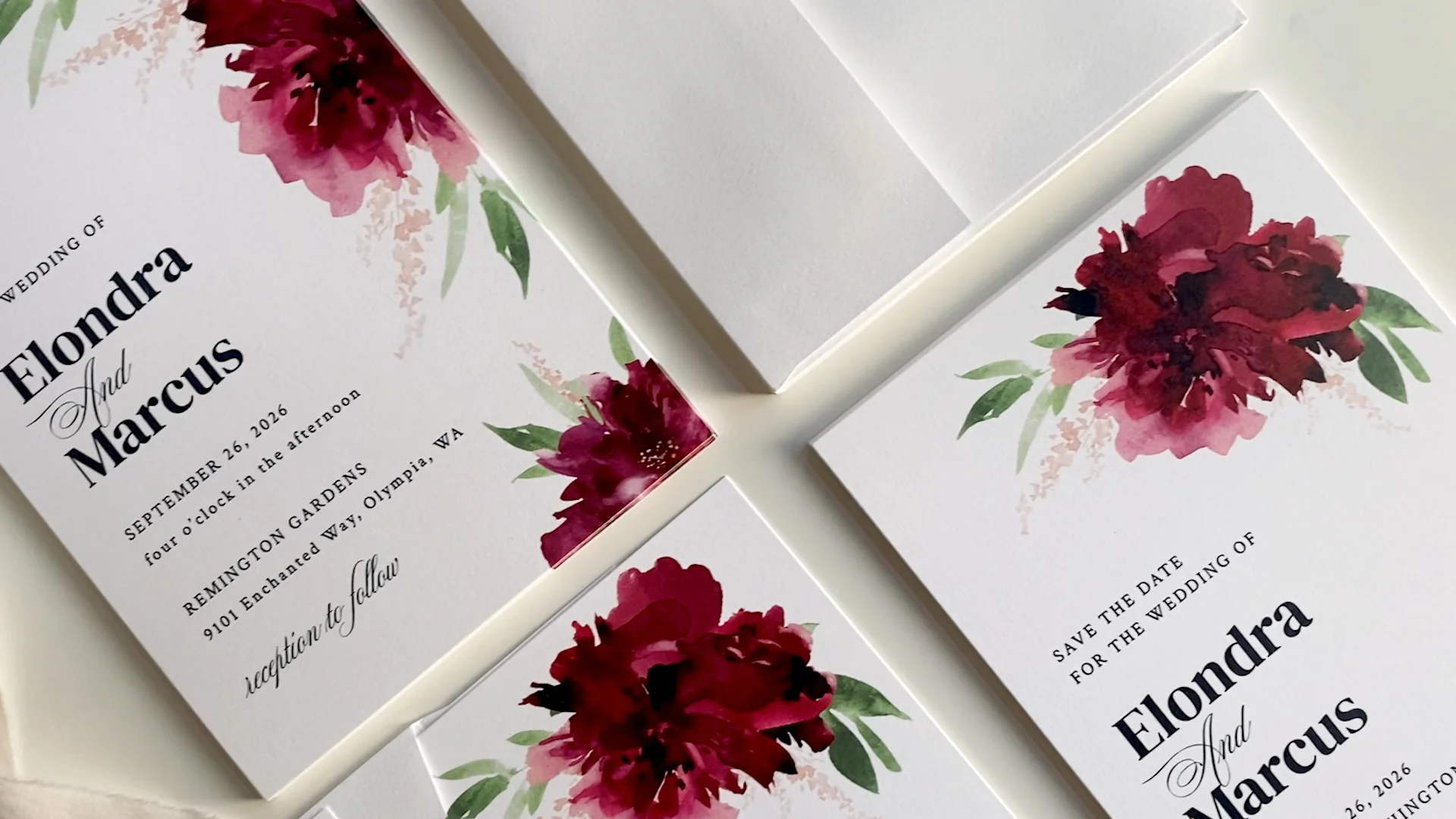
Finding the sweet spot for mailing wedding invitations requires a balance that aligns with when should you send wedding invitations properly?, generally falling between six to eight weeks before the event for most standard weddings. This timeframe allows guests enough lead time to respond without overwhelming them too early, as seen in the case of a couple who sent theirs exactly two months ahead and received responses within three weeks, streamlining their vendor confirmations. By hitting this window, you’re not only respecting guests’ schedules but also giving yourself a buffer to handle any follow-ups, making the process feel efficient and considerate rather than haphazard.
To refine this further, factors like the wedding’s scale and location play crucial roles in pinpointing the ideal date. For a large gathering in a bustling city, mailing invitations closer to eight weeks might accommodate travel logistics, whereas a local affair could thrive with six weeks’ notice, as evidenced by intimate weddings where early RSVRs led to personalized touches like custom seating charts. This precision in timing enhances engagement by allowing guests to plan around your event without it lingering in their minds for too long, potentially leading to higher attendance and fewer cancellations. In essence, nailing this sweet spot transforms invitations from mere announcements into eagerly awaited correspondences that heighten the wedding’s allure.
Factors Influencing Your Wedding Invitation Timeline
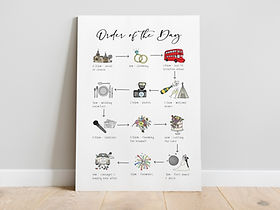
Several factors can sway your wedding invitation timeline, making it imperative to consider when should you send wedding invitations properly? in the context of your specific circumstances. Geographic spread is a prime influencer; if your guest list spans multiple countries, you’ll need to account for international mailing times and potential delays, perhaps extending your send date by a week or two to ensure everyone receives their invite promptly. Additionally, the nature of your wedding—be it a casual backyard bash or a formal black-tie affair—dictates pacing; a high-profile event might require earlier notices to allow for formal attire arrangements, as one couple discovered when their themed wedding’s invitations, sent just in time, sparked a wave of creative guest preparations.
Beyond logistics, personal elements like guest demographics and current events significantly shape your timeline. For instance, if your invitees include families with young children or elderly relatives, providing more lead time can ease their planning, avoiding conflicts with school schedules or health concerns. Cultural traditions also come into play, such as in multicultural weddings where customs might call for invitations to be sent further in advance to align with family expectations. This layered approach not only ensures inclusivity but also adds a layer of depth to your event, making it a reflection of your unique story and strengthening bonds with your guests through thoughtful consideration.
Addressing Potential Delays: Contingency Planning for Invitation Delivery
Addressing potential delays in invitation delivery is a smart way to safeguard your wedding plans, especially when pondering when should you send wedding invitations properly?. Common issues like postal strikes or weather disruptions can push back arrivals, so building in a two-week buffer by sending invites earlier than the ideal date can mitigate risks, as demonstrated by a couple who avoided chaos by opting for expedited shipping during a holiday season. This proactive planning involves tracking services or digital alternatives, ensuring that even if physical cards are delayed, guests receive timely notifications via email, maintaining the momentum of excitement without a hitch.
Furthermore, contingency planning extends to personalized strategies that adapt to unforeseen circumstances, such as vendor errors or address mistakes. For example, verifying guest addresses through a preliminary check can prevent undeliverable invites, a lesson learned from a wedding where double-checking led to a flawless distribution. By incorporating digital backups like evites or social media reminders, you’re not only covering your bases but also enhancing guest engagement, turning potential setbacks into opportunities for interaction. This comprehensive approach underscores the importance of flexibility, ultimately preserving the integrity of your timeline and contributing to a stress-free wedding experience.
Beyond the Invitation: Managing RSVP Deadlines Effectively
Managing RSVP deadlines effectively builds on the foundation of when should you send wedding invitations properly?, typically setting a response date two to three weeks after invitations are mailed to allow ample reflection time. This period gives guests a chance to weigh their commitments, as in the story of a couple who set a firm three-week deadline and used follow-up calls to boost responses, resulting in a precise guest count for their reception. By clearly communicating expectations on the invitation itself, you’re guiding guests toward prompt replies, which streamlines your planning and prevents the all-too-common scramble for last-minute adjustments.
To elevate this process, consider integrating modern tools and personal touches that make RSVPing seamless and enjoyable. Digital platforms like wedding websites can host easy-response forms, reducing barriers for tech-savvy guests, while personalized notes might encourage participation from those who prefer tradition. This multifaceted strategy not only improves response rates but also deepens connections, as seen in weddings where creative incentives—like thank-you gifts for early responders—fostered a sense of community. Ultimately, mastering RSVP management ensures your event runs smoothly, allowing you to focus on the joy of your celebration rather than administrative hurdles.
Conclusion
In summary, navigating when should you send wedding invitations properly? involves a thoughtful blend of timing, personalization, and contingency planning to create a seamless wedding experience. From the critical role of timely ‘Save the Dates’ and invitations to considering factors like guest demographics and potential delays, each element contributes to building anticipation and ensuring high attendance. Effective RSVP management further solidifies your preparations, transforming what could be a stressful process into an engaging journey that honors your guests and elevates your special day. By embracing these strategies, couples can host a memorable event that reflects their care and attention to detail.