

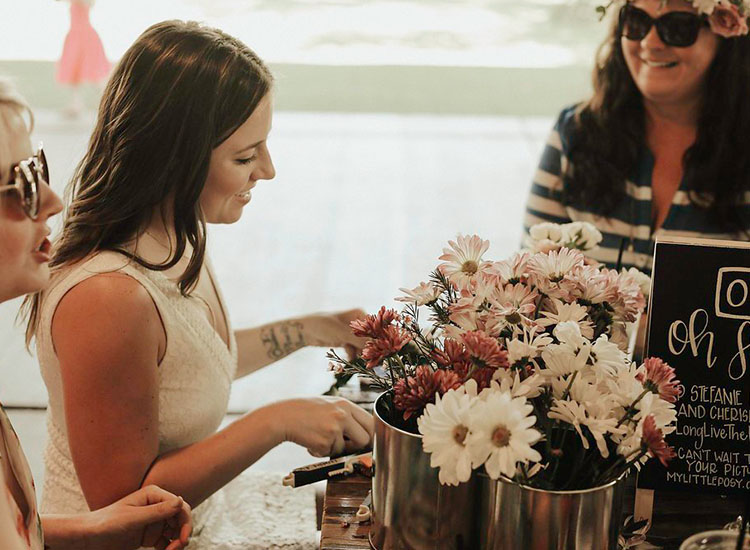
Who Pays for the Bridal Shower Traditionally? This age-old question has puzzled couples, families, and bridal parties for generations, as the traditions surrounding wedding-related events continue to evolve. Historically rooted in customs that emphasize community support and generosity, the financial responsibility for a bridal shower often falls on the bridesmaids, maid of honor, or close friends, though modern interpretations have introduced more flexible arrangements. Understanding this tradition not only clarifies expectations but also highlights the cultural significance of these pre-wedding celebrations, ensuring that everyone involved can contribute thoughtfully and joyfully.
Bridal Shower Funding: Unveiling Traditional Roles and Responsibilities

In traditional wedding etiquette, the question of Who Pays for the Bridal Shower Traditionally? centers primarily on the bridal party, with the maid of honor and bridesmaids typically taking the lead in organizing and funding the event. This custom stems from the idea that the shower is a gift-giving occasion meant to “shower” the bride with items for her new home, and it’s seen as a way for her closest friends to express their support. Historically, this responsibility was not just about splitting costs but also about fostering a sense of camaraderie and shared excitement. For instance, in many cultures, the bridesmaids might cover expenses like venue rentals, decorations, and food, while the maid of honor coordinates the details, ensuring the event aligns with the bride’s preferences. This setup underscores a deeper social contract, where participants invest not only money but also time and effort, reinforcing the bonds of friendship.
However, it’s essential to recognize that these roles aren’t set in stone and can vary based on cultural, regional, or familial norms. Beyond the bridal party, other contributors like the bride’s family or even the groom’s side might step in, particularly if the shower is more elaborate. This traditional framework often reflects societal expectations from the early 20th century, where women in the bridal party were expected to handle the emotional and logistical labor as a gesture of goodwill. Engaging with this topic reveals the intricate balance of generosity and practicality, as hosts must navigate budgets while keeping the event meaningful. For example, if the bridal party is large, costs can be divided more easily, but in smaller groups, individuals might feel the pinch, prompting discussions on fairness and contribution limits. This exploration of traditional roles highlights how Who Pays for the Bridal Shower Traditionally? is less about rigid rules and more about mutual agreement, adapting to the modern world’s financial realities.
Historical Context: How Bridal Shower Expenses Were Initially Managed

Delving into the historical roots of Who Pays for the Bridal Shower Traditionally? takes us back to the 19th century in Europe and America, where these events emerged as intimate gatherings for women to celebrate an upcoming marriage. Originally, bridal showers were modest affairs, often hosted in the bride’s home, and the costs were primarily borne by the hostess—typically a close female relative or friend—who would cover simple refreshments and perhaps a few handmade gifts. This setup reflected the era’s social dynamics, where women managed domestic celebrations without the commercialized wedding industry we see today. As these events gained popularity, they symbolized community support for the bride, especially in cases where she might be marrying into a less affluent family, with participants contributing items rather than cash.
Over time, as bridal showers evolved into more structured events by the mid-20th century, the financial burden shifted towards organized groups like the bridesmaids, who began pooling resources for larger parties. In the Victorian era, for example, the expenses were often informal, with attendees bringing contributions like linens or kitchenware, minimizing direct monetary outlays. This historical perspective shows how economic conditions influenced funding; during times of scarcity, such as the Great Depression, showers became potluck-style events to share costs. Engaging with this history not only answers Who Pays for the Bridal Shower Traditionally? but also illustrates how these traditions adapted to societal changes, like the rise of women’s independence, which allowed for more equitable sharing of responsibilities. By examining these shifts, we gain a richer understanding of how past practices continue to inform contemporary etiquette.
Modern Bridal Shower Etiquette: Shifting Perspectives on Financial Contributions

In today’s world, the traditional query of Who Pays for the Bridal Shower Traditionally? has undergone significant transformation, influenced by economic pressures, gender equality movements, and the rise of personalized weddings. Modern etiquette experts, like those from Emily Post, suggest that while the bridal party still often foots the bill, it’s increasingly common for costs to be shared among a broader group, including the bride’s family or even the couple themselves. This shift reflects a more collaborative approach, where open communication about budgets prevents any one person from being overburdened. For instance, with the average bridal shower costing anywhere from $200 to $1,000 per attendee in the U.S., many hosts now opt for virtual events or smaller gatherings to keep expenses manageable, emphasizing experiences over extravagance.
This evolution highlights a broader cultural reevaluation of wedding traditions, where Who Pays for the Bridal Shower Traditionally? is no longer a straightforward answer but a conversation starter about inclusivity and fairness. In multicultural settings, for example, families might blend customs, such as incorporating elements from Indian mehndi ceremonies where community contributions are the norm, thus distributing costs more evenly. Engaging with these modern perspectives encourages hosts to consider factors like the bride’s financial situation or the current cost-of-living crisis, fostering events that are both joyful and sustainable. Ultimately, this adaptability ensures that the spirit of the tradition—celebrating the bride—remains intact while addressing contemporary challenges.
The Maid of Honor’s Role: Organization and Potential Cost Sharing

When addressing Who Pays for the Bridal Shower Traditionally?, the maid of honor stands out as a central figure, traditionally responsible for orchestrating the event and often sharing in its financial burdens. This role, dating back to ancient Roman times when attendants assisted brides in various ways, has evolved to include budgeting, vendor coordination, and even creative planning, making the maid of honor a key decision-maker. In practice, she might collaborate with the bridesmaids to split costs for items like catering or decorations, ensuring that the shower aligns with the bride’s vision without exceeding affordable limits. For example, if the group decides on a themed party, the maid of honor could lead efforts to source affordable suppliers, turning what was once a solo endeavor into a team effort.
Beyond logistics, the maid of honor’s involvement in cost sharing reflects deeper themes of loyalty and support, as she navigates the delicate balance of tradition and practicality. In cases where budgets are tight, she might propose alternatives, such as a DIY brunch at a park, to alleviate financial strain while maintaining the event’s charm. This modern twist on Who Pays for the Bridal Shower Traditionally? empowers the maid of honor to foster inclusivity, perhaps by setting up a shared fund or discussing contributions upfront, which strengthens group dynamics and prevents resentment. Engaging with this role reveals its multifaceted nature, blending historical duties with contemporary flexibility to create memorable experiences.
Family Involvement: Exploring Parental or Relative Contributions to the Shower
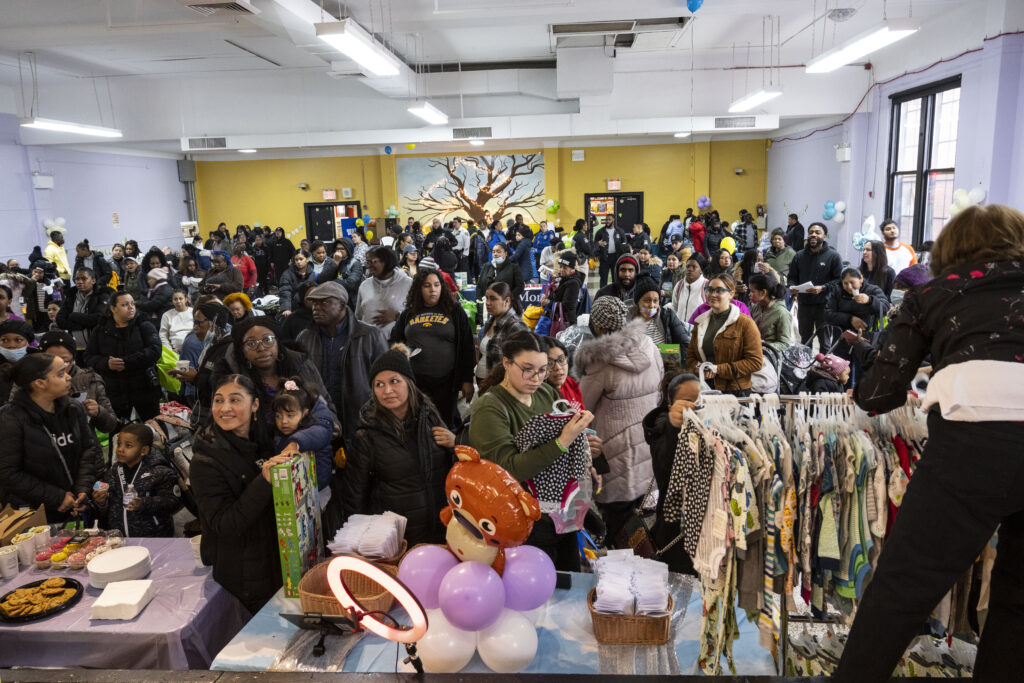
Exploring Who Pays for the Bridal Shower Traditionally? often brings family members into the conversation, with parents or relatives sometimes stepping in to share the financial load, especially in cultures that prioritize familial support. Traditionally, the bride’s mother or female relatives might contribute by hosting the event or providing resources, as seen in many European customs where family homes serve as venues to cut costs. This involvement not only eases the burden on the bridal party but also adds a personal touch, turning the shower into a multi-generational celebration. For instance, grandparents could offer heirloom items or help fund special elements, blending sentimentality with practicality.
In today’s diverse family structures, this traditional aspect of Who Pays for the Bridal Shower Traditionally? has expanded to include blended families or even the groom’s relatives, promoting a more inclusive approach. However, this can sometimes lead to tensions if expectations aren’t clearly defined, such as when parents assume a larger role but the bridal party wants to maintain control. Engaging with these dynamics reveals the importance of communication, as families navigate contributions while respecting boundaries, ultimately enhancing the event’s warmth and cohesion. This exploration underscores how family involvement enriches the tradition, adapting it to modern relational complexities.
Creative Solutions: Budget-Friendly Bridal Shower Alternatives and Collaborative Funding
When pondering Who Pays for the Bridal Shower Traditionally?, creative solutions have emerged as a way to make events more accessible, focusing on budget-friendly alternatives that encourage collaborative funding. Instead of lavish parties, hosts might opt for low-cost options like a picnic in the park or a virtual gathering via video calls, where attendees contribute by bringing their own snacks or sending digital gifts, effectively distributing expenses. This approach not only addresses financial constraints but also injects fun and innovation, such as themed game nights that require minimal investment. For example, a group crowdfunding effort through apps could allow everyone to pitch in a small amount, democratizing the process and ensuring no one feels overwhelmed.
These alternatives highlight how Who Pays for the Bridal Shower Traditionally? can evolve through shared creativity, blending tradition with practicality to suit various budgets. In scenarios where traditional funding feels outdated, hosts might organize potluck showers or skill-sharing workshops, where relatives contribute talents instead of money, fostering a sense of community. Engaging with these ideas not only makes celebrations more inclusive but also redefines the essence of the event, focusing on meaningful connections over material excess.
Conclusion
In summary, the tradition of Who Pays for the Bridal Shower Traditionally? reveals a fascinating interplay between historical customs and modern adaptations, with the bridal party often leading the charge while incorporating family support and creative funding strategies. From the maid of honor’s organizational role to the shift towards collaborative and budget-friendly alternatives, these practices highlight the importance of communication, fairness, and flexibility in creating joyful events. Ultimately, whether rooted in past norms or shaped by contemporary needs, the key lies in ensuring that the bridal shower remains a heartfelt celebration of the bride’s journey into marriage.