

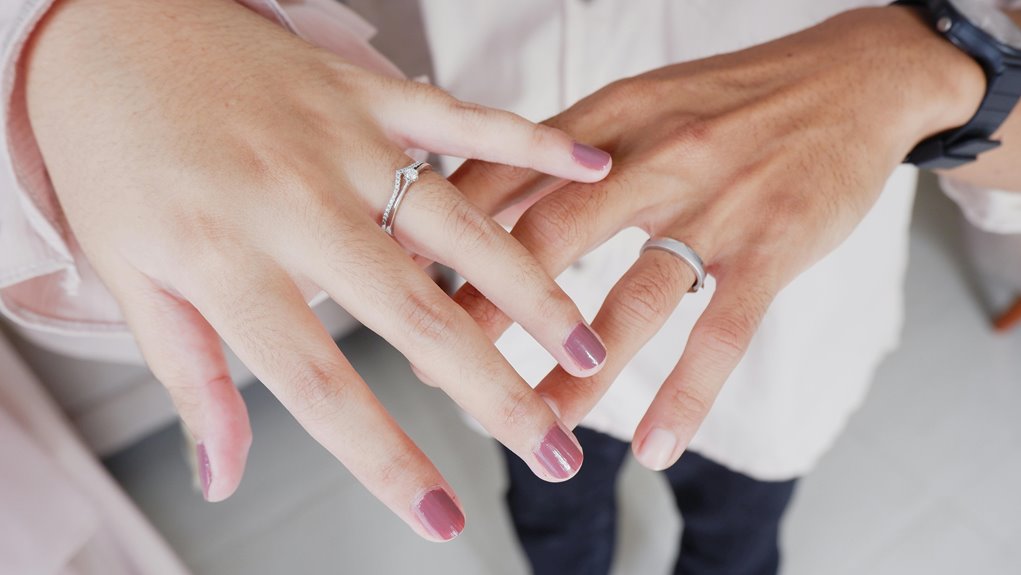
Your wedding ring typically goes on your left ring finger in Western cultures, a tradition rooted in the legendary vena amoris—a supposed vein connecting directly to your heart. This placement, however, varies significantly across different regions and cultural traditions worldwide.
Eastern European and Orthodox communities favor the right hand for wedding rings, reflecting distinct cultural practices passed down through generations. Meanwhile, Asian and Latin American customs differ substantially based on religion and family heritage, meaning your background may influence where the ring belongs. Approximately 80 percent of North American and European couples follow the left-hand standard, though this figure reflects cultural majority rather than an absolute rule.
Where you ultimately place your wedding ring depends on several factors working together. Your personal preference matters as much as your cultural background and family traditions. If you come from a mixed cultural heritage, you might blend practices or choose the hand that feels most meaningful to you. Some couples even wear their rings on different hands than convention suggests, prioritizing personal significance over tradition.
The choice between hands involves weighing your comfort level with established customs against your individual values and identity. Consider discussing ring placement with your partner before the ceremony to avoid any surprises at the altar. Your jeweler can also address practical concerns about ring fit and daily wear based on which hand you select.
Where Do Wedding Rings Go? The Left-Hand Tradition in Western Cultures
Ever wondered why your wedding ring goes on your left hand rather than your right? You’re following a tradition that spans centuries across Western cultures. The practice originates from the vena amoris, a vein that ancient Romans believed ran directly from the left ring finger straight to the heart. While modern anatomy has disproven this theory, the romantic symbolism stuck around.
By the Renaissance period, this custom had become standard practice throughout Europe and North America. The left-hand placement gained additional formality during the 16th century when European royal courts adopted it as official protocol. Today, the convention remains deeply embedded in Western wedding traditions, with approximately 80 percent of couples in North America and Europe following this placement.
The typical arrangement involves wearing your engagement ring on your left ring finger first. After the wedding ceremony, you then add your wedding band on the same finger, positioning it closer to your heart than the engagement ring. This stacking places both rings together, symbolizing the connection between your engagement promise and your marriage commitment. Some couples choose to wear their engagement ring on the right hand after marriage, while others maintain the traditional stacked arrangement on the left.
Why the Fourth Finger? The Vena Amoris and Medieval Origins
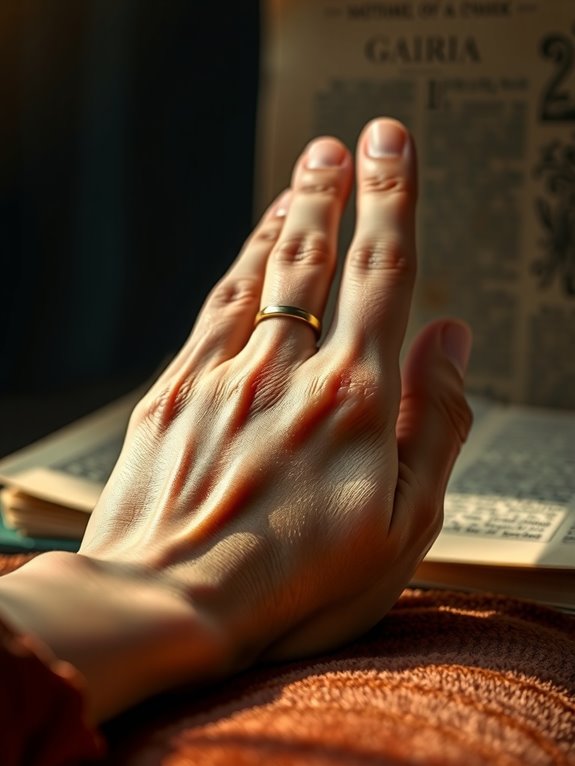
You’ve likely encountered the romantic legend about the vena amoris—that mythical vein supposedly running directly from your fourth finger to your heart. Ancient Egyptians held this anatomical belief first, though modern anatomy has thoroughly debunked the theory. Medieval Europeans embraced and popularized the concept during their marriage ceremonies, attributing deep significance to the fourth finger’s supposed direct connection to the heart.
The tradition gained considerable momentum across England when royal courts adopted the practice. How did a false anatomical claim become so deeply embedded in Western wedding culture? The answer lies partly in medieval medical understanding, which accepted theories without modern scientific verification, and partly in the symbolic appeal of linking a piece of jewelry to one’s emotional core.
Historical records indicate that by the sixteenth and seventeenth centuries, the fourth finger had become the standard choice for betrothal rings throughout Europe and England. Wedding ring placement customs varied significantly across regions before this period. The vena amoris theory provided a compelling explanation—even if anatomically incorrect—that resonated with couples seeking physical manifestations of their emotional bonds.
Today, the fourth finger remains the conventional choice for engagement and wedding rings in many Western traditions, though the reasoning has shifted away from the vena amoris myth toward historical precedent and cultural expectation. Couples planning their ceremonies encounter this tradition as an established norm rather than an active choice, since approximately 85 percent of ring wearers in North America place their bands on the fourth finger based on inherited custom rather than conscious deliberation.
Ancient Egyptian Vein Theory
Medieval scholars inherited a centuries-old belief from ancient Egypt about the ring finger’s connection to the heart. The Egyptians called this the vena amoris, or “vein of love,” positioning it as a direct spiritual pathway from the left hand’s fourth finger to the heart. While anatomically incorrect, this theory became the foundation for wedding ring placement across multiple cultures.
| Belief | Culture | Impact |
|---|---|---|
| Vena Amoris | Egyptian | Established ring finger as spiritually significant |
| Direct Connection | Medieval | Reinforced fourth finger as preferred placement |
| Heart Link | European | Codified ring finger customs in marriage ceremonies |
Ancient Egyptian texts referenced this vein throughout their medical and spiritual writings. Medieval Europeans encountered these ideas through trade routes and scholarly translation, then adapted them into their own wedding traditions. The concept persisted through the Renaissance and into modern times, despite physicians disproving the vein’s existence.
How did such an anatomically false theory maintain such cultural staying power? The answer lies in its emotional resonance rather than its scientific accuracy. The idea that a physical connection existed between the ring finger and heart provided a tangible explanation for why this particular finger felt special for commitment jewelry.
This vein theory never required proof to influence wedding customs. Instead, it offered societies a satisfying narrative that linked romantic intention to physical reality, allowing the ring finger to retain ceremonial importance across generations.
King Edward VI’s Royal Decree
King Edward VI‘s Royal Decree
During the 16th century, formal decrees began standardizing wedding ring customs across Western Europe, which had previously varied by region and culture. King Edward VI championed this royal standardization effort, establishing the left hand’s fourth finger as the official wedding ring placement. The tradition drew from the ancient vena amoris concept—a mythical vein believed to connect directly from the fourth finger to the heart.
Medieval scholars and Tudor-era practitioners reinforced this romantic symbolism, embedding the practice deeply into European wedding customs. Though anatomically inaccurate, the vena amoris narrative proved culturally powerful enough to influence centuries of tradition. Before such formal decrees, people wore rings on thumbs or middle fingers across various regions, with no unified standard.
Edward VI’s formalization essentially locked in place what would become Western tradition for centuries. Why did one monarch’s decree carry such lasting weight? The answer lies in the combination of romantic symbolism and royal authority—two elements that resonated across social classes and influenced wedding practices for generations to come. The unified custom you recognize today traces directly back to this Tudor-era standardization effort.
Right-Hand Ring Wearing in Eastern Europe and Orthodox Traditions
Ever wondered why some couples slip their wedding rings onto their right hand instead of their left? In Eastern Europe, this tradition reflects deep Orthodox Christian practices that differ from Western customs. Countries like Russia, Poland, and Greece embrace right-hand ring wearing during ceremonies, honoring religious significance over the vena amoris myth.
| Country | Tradition | Religious Influence |
|---|---|---|
| Russia | Right hand preferred | Orthodox Christianity |
| Poland | Right hand common | Catholic-Orthodox blend |
| Greece | Right hand standard | Greek Orthodox Church |
Understanding the Orthodox Influence
Orthodox traditions shape wedding practices differently than left-hand conventions elsewhere. The Eastern Orthodox Church has historically emphasized the right hand as the symbol of honor and divine blessing. During Orthodox wedding ceremonies, the priest blesses the couple’s right hands, establishing this placement as the ceremonial standard.
Some families adopt a two-step approach: they exchange rings on the right hand during the Orthodox ceremony, then move them to the left hand for daily wear afterward. Others keep rings on the right hand throughout married life, maintaining continuous connection to their religious heritage. Personal and familial preferences sometimes override regional patterns, creating meaningful variations within Eastern European communities.
Regional Variations and Personal Choices
In Russia, right-hand placement remains the predominant choice among Orthodox families, with approximately 70-80% of couples following this custom during ceremonies. Polish couples navigate a blend of Catholic and Orthodox influences, resulting in mixed practices within the same community. Greek weddings typically maintain right-hand placement as standard, reflecting the Greek Orthodox Church’s authority in matrimonial customs.
Individual heritage and family tradition often matter more than national patterns. A couple might honor a grandmother’s customs, blend two religious backgrounds, or simply prefer the practical feel of right-hand wearing for their lifestyle and work requirements.
Wedding Ring Customs Across Asia, the Middle East, and Latin America
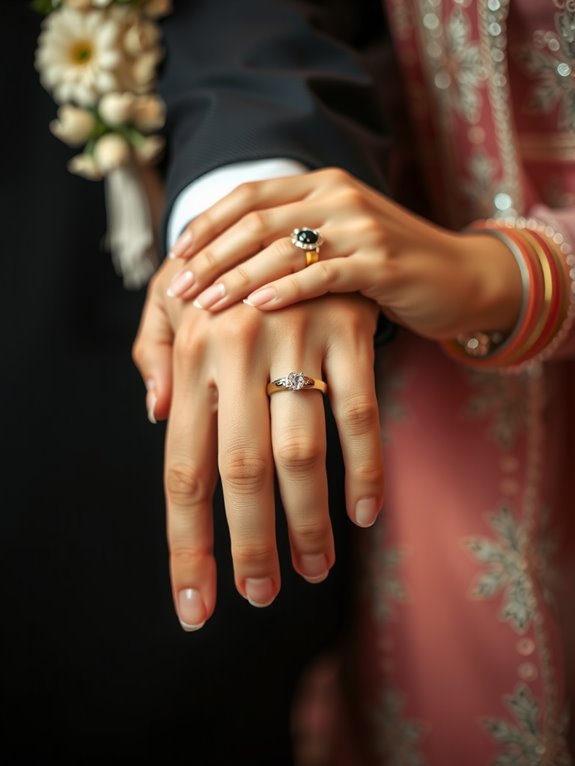
Beyond Eastern Europe’s right-hand traditions exists a far more varied landscape where cultural blending and religious practice shape ring placement choices. Wedding ring customs differ significantly across regions, reflecting centuries of tradition and belief systems that continue influencing couples today.
Wedding ring customs reflect centuries of tradition shaped by cultural blending and religious practice across diverse regions worldwide.
Eastern Orthodox communities throughout Asia, the Middle East, and Latin America typically place wedding rings on the right hand following ceremonies. This practice remains consistent across different countries where Orthodox populations maintain their heritage traditions.
India demonstrates particularly complex diversity in ring customs. Some religious communities choose the right hand while others follow left-hand conventions. This variation stems from different faith traditions—Hindu, Muslim, Christian, and Sikh communities each maintain distinct practices within the country.
Brazil and Colombia follow their own patterns regarding ring placement and timing. During weddings in these countries, couples move engagement rings to the left hand, then wear wedding bands alongside them based on local preferences. The specific arrangement varies by family tradition and personal choice rather than following a single national standard.
Across these regions, wedding rings symbolize lasting commitment and partnership regardless of which hand displays them. The meaning remains constant even when placement differs. What appears as a simple choice about hand placement actually reflects deeper connections to family heritage, religious identity, and personal values that shape how couples express their commitment through this meaningful accessory.
Engagement Rings vs. Wedding Bands: What’s the Difference?
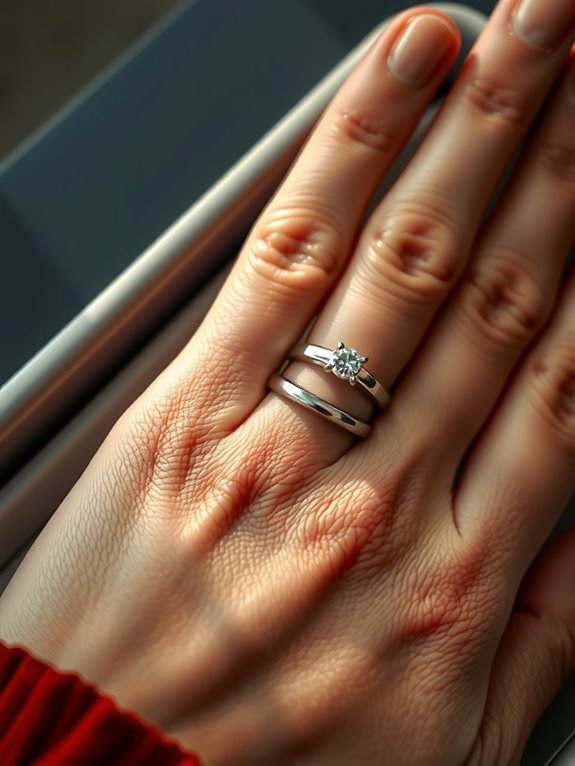
Engagement Rings vs. Wedding Bands: What’s the Difference?
What sets an engagement ring apart from a wedding band? These are two distinct pieces with separate functions and timelines in your relationship. Your engagement ring arrives first, customarily positioned on your left ring finger along the vena amoris—that vein historically believed to lead straight to your heart. The wedding band follows during your ceremony, when you and your partner exchange bands as public markers of your marriage commitment.
| Aspect | Engagement Ring | Wedding Band |
|---|---|---|
| Timing | Given before proposal or engagement | Exchanged during ceremony |
| Design | Features central stone or gemstone | Typically simpler metal band |
| Purpose | Symbolizes promise to marry | Represents active marriage bond |
The engagement ring typically features a prominent gemstone—often a diamond ranging from 0.5 to 3 carats for most buyers, though this varies widely based on personal preference and budget. Wedding bands, by contrast, present a more understated appearance, usually consisting of precious metal like gold, platinum, or silver without additional stones. How you eventually wear these two pieces depends entirely on your preferences and comfort.
After your ceremony concludes, you’ll determine your preferred ring arrangement. Some couples stack their engagement ring and wedding band together, creating a unified look on one finger. Others choose to wear them on separate fingers or keep the engagement ring in storage for daily life. Your jeweler can help you understand how different combinations work with your specific rings, including sizing considerations if you plan to wear them stacked.
Stack Your Rings: Order and What Feels Right
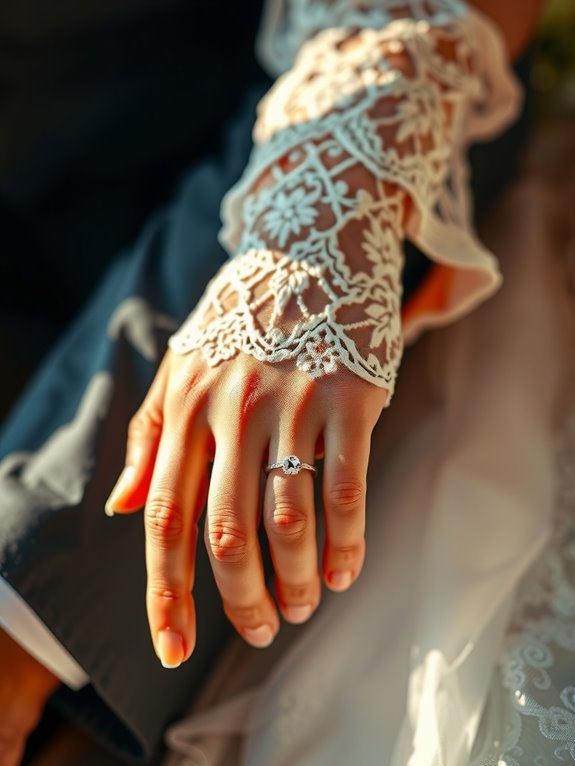
How you arrange your engagement ring and wedding band depends entirely on your preferences and comfort. The traditional method places your wedding band closest to your heart on the fourth finger of your left hand, where the vena amoris—a vein believed to connect directly to the heart—supposedly runs. Your engagement ring then sits above it in the stack.
That said, this conventional arrangement doesn’t work for everyone. If stacking feels uncomfortable or creates pressure points on your finger, you have several alternatives worth considering. Many couples separate their rings onto different fingers, wear one on each hand, or keep them on separate hands altogether. Some choose to have their rings soldered together by a jeweler, creating a unified band that eliminates spacing issues while maintaining a cohesive look.
When deciding your arrangement, consider practical factors specific to your situation. Hand size matters considerably—smaller hands may feel cramped with two full-width bands stacked together. Ring widths play a role too, since a thick engagement ring paired with a thick wedding band creates more bulk than two delicate bands would. Your daily activities deserve attention as well. If your work involves manual labor, sports, or frequent hand washing, certain configurations might feel cumbersome or increase the risk of snagging.
A professional jeweler can assess your specific rings and hand proportions to recommend configurations you might not have considered. Many offer complimentary consultations and can discuss whether soldering, spacing devices, or alternative placements would suit your lifestyle. The right ring arrangement reflects what actually feels comfortable during your everyday life, not what tradition dictates.
Wear Your Rings Separately: When and How
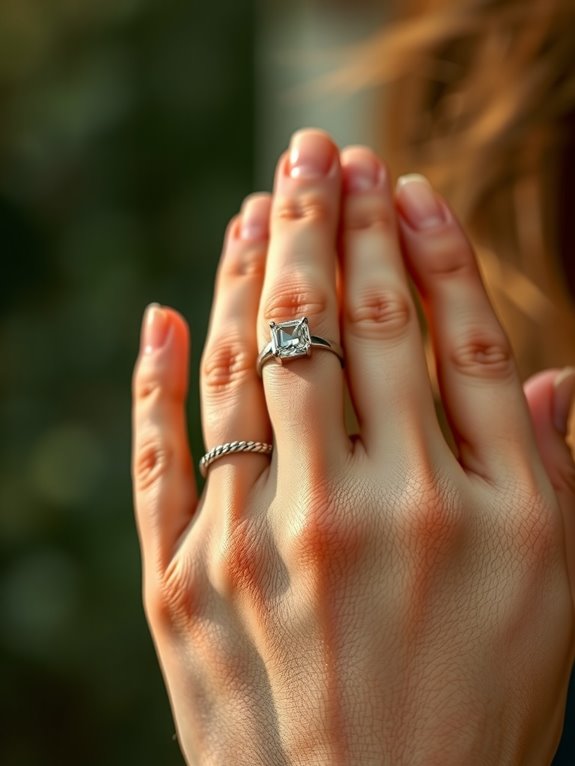
Tradition doesn’t always align with practicality or personal comfort when it comes to ring placement. Many people find that wearing their engagement ring and wedding band together creates unnecessary challenges.
Tradition doesn’t always serve practicality—wearing engagement and wedding rings separately offers comfort and flexibility without compromising commitment.
Several legitimate situations call for separate ring placement:
- Comfort during physical work – Active jobs and hobbies risk damaging or losing rings worn together on one finger
- Showcasing individual designs – Each ring displays its own aesthetic and craftsmanship more effectively on separate fingers
- Minimizing friction damage – Two rings stacked on a single finger create rubbing that degrades metal and settings over time
- Personal preference – Your comfort and style choices matter more than outdated conventions
- Cultural considerations – Different traditions and customs handle engagement and wedding ring placement in distinct ways
Moving your engagement ring to your right hand or an alternate left-hand finger offers practical flexibility without compromising your commitment. This approach simply acknowledges that modern life requires solutions that work alongside your actual routine rather than against it.
What matters most is that both rings receive proper care and attention. Whether you wear them together, separately, or rotate their placement based on your activities, the meaningful part lies in how these pieces represent your relationship and personal values.
Where Does Your Engagement Ring Go After You Say “I Do”?
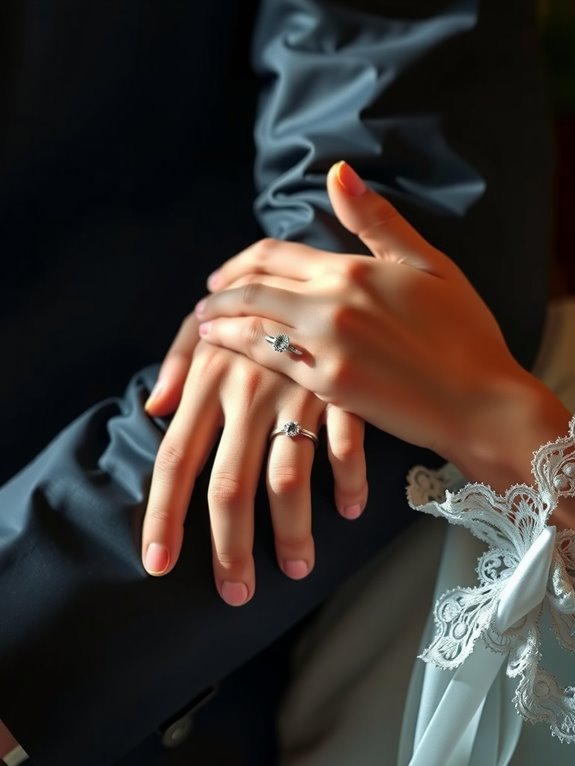
Once you’ve exchanged vows, your engagement ring needs a new role in your jewelry arrangement. Most couples choose between three practical approaches: stacking both rings together on your left ring finger, wearing them separately on different fingers or hands, or having them soldered into a single unified band.
Stacking rings on one finger works well if both pieces complement each other in width, metal type, and overall design. Your jeweler can assess whether your specific engagement ring and wedding band pair effectively without excessive bulk or movement that causes discomfort during daily wear.
Wearing the rings separately gives you flexibility to switch things up depending on the occasion or your mood that day. Some people prefer their wedding band alone during work hours, then add the engagement ring for evenings or weekends when they want the full visual impact of both pieces together.
Soldering your rings permanently joins them into one cohesive piece, which eliminates gaps between bands and prevents either ring from shifting independently. This option requires sending your engagement ring to a jeweler, a process that typically takes one to two weeks and costs between $50 and $150 depending on the complexity of your ring’s setting.
Your final decision rests on three main factors: how comfortable the arrangement feels during regular activities, whether the rings look intentional together visually, and your personal preference for jewelry wearing patterns that suit your lifestyle and aesthetic.
Post-Ceremony Ring Arrangements
Your wedding day’s final moments bring an unexpected decision: what happens to your engagement ring now?
Several practical options exist for managing your rings after the ceremony concludes. Stacking both rings on your left hand with the wedding band closest to your heart creates the traditional look many couples prefer. This arrangement keeps your engagement ring visible while establishing the classic two-ring aesthetic that’s been standard for decades.
Wearing your engagement ring on your right hand temporarily offers an alternative if you’re concerned about daily wear. This option reduces the pressure and potential scratching that can occur when two rings sit adjacent to each other. Some couples transition their engagement ring back to the left hand after a few months or years once they’ve adjusted to married life.
Soldering your rings together is a permanent solution that fuses the two bands into a single unit. This approach costs between $150 and $300 depending on your jeweler and the complexity of your settings. The process takes one to two weeks and creates a unified look without the movement or friction that separate stacking sometimes produces.
Separating your rings onto different fingers provides design flexibility and improved comfort. Your engagement ring might sit on your right ring finger while your wedding band remains on your left, eliminating any contact between the two pieces. This arrangement works particularly well if your engagement ring has a wide band or unusual setting that conflicts with your wedding band’s design.
Professional jewelers can resize or adjust your ring settings throughout your marriage as your fingers change with age and life circumstances. Many jewelers offer free sizing for the first year after purchase, with subsequent adjustments typically costing $25 to $75 per ring depending on the complexity of the work.
Styling Both Rings Together
How you arrange your engagement and wedding rings depends on your comfort, ring design, and daily routine. Most couples follow the traditional approach by stacking both rings on their left ring finger, with the wedding band sitting below the engagement ring at the base of the knuckle. This arrangement symbolizes the unity of marriage while displaying both pieces without competing for attention.
You have several legitimate alternatives worth considering. Some people opt for soldering, a jeweler’s process that permanently fuses the two rings into a single band. This eliminates movement between pieces and creates one cohesive design that many find more comfortable during daily wear. The soldering process typically costs between $100 and $300, depending on your jeweler and ring complexity.
Wearing the rings separately offers different advantages. Placing your engagement ring on your right hand or another finger entirely lets each piece maintain its individual character. This approach works particularly well if your engagement ring features an especially prominent center stone or intricate setting that could feel cramped alongside a wedding band. It also reduces pressure on a single finger joint, which matters if you have arthritis or spend considerable time on detailed hand work.
Your lifestyle should influence this decision significantly. People with active jobs, frequent hand washing requirements, or sports participation sometimes find separated rings more practical. Those in jewelry design, healthcare, or manual trades may prefer the security of soldered bands that won’t shift during work hours. Consider consulting with your jeweler about which approach suits your ring materials and construction best.
Solder or Keep Separate? How to Bond Your Rings
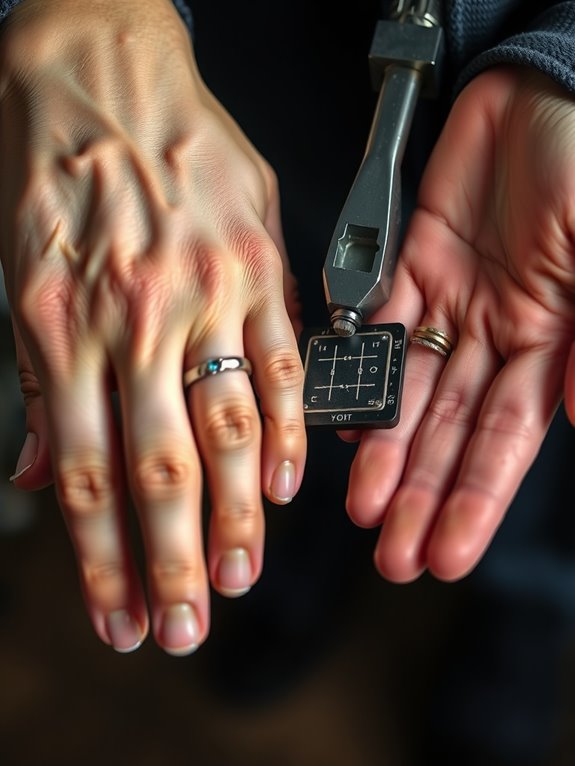
After you’ve said “I do,” you’re faced with an interesting choice: should you keep your engagement ring and wedding band as separate pieces, or have them soldered together into one unified ring?
Many couples choose to bond rings through soldering, which symbolizes their stronger marital commitment. This process offers practical benefits like preventing misalignment on your left hand ring finger, creating a seamless appearance, protecting both rings from damage, and simplifying daily wear and maintenance. A professional jeweler can solder your rings together, typically charging between $50 and $200 depending on the complexity of your band styles and metal types.
Soldering your engagement ring and wedding band together symbolizes commitment while preventing misalignment and protecting both rings from damage.
However, soldering isn’t mandatory. If your rings feature distinct styles or substantial size differences, keeping them separate showcases each design beautifully. What happens if you change your mind later—does soldering make it difficult to separate the rings again? A skilled jeweler can actually separate soldered rings if needed, though the process costs between $75 and $150 and carries some risk of minor damage to the bands.
Before committing to soldering, consider how your rings sit together. Do they fit flush against each other, or does a gap remain? Some engagement ring and wedding band combinations naturally complement one another when paired, while others look better standing apart. A jeweler can assess your specific situation and recommend whether bonding rings suits your needs, taking into account metal compatibility, band thickness, and your long-term wearing preferences.
Do Men Wear Engagement Rings?
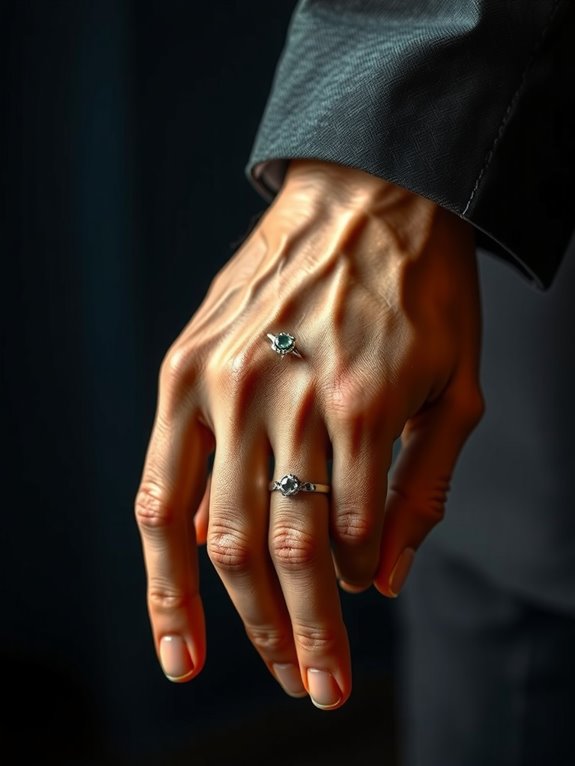
Do Men Wear Engagement Rings?
Whether you’ve soldered your rings together or chosen to keep them separate, you’re making deeply personal decisions about what your jewelry symbolizes. Men’s engagement rings represent one of the most visible shifts in modern wedding tradition.
Western culture historically excluded men from wearing engagement rings, but current trends show this is changing rapidly. Today, many couples select matching sets with both partners wearing engagement rings on the left ring finger, positioned near the vena amoris—the traditional “vein of love.” This movement reflects broader changes in how couples express mutual commitment and equal partnership.
Your choice about whether to wear an engagement ring depends entirely on personal preference and cultural background. Some men opt for a single wedding band only, while others wear both an engagement ring and wedding band as a coordinated set. The wedding industry has responded to this demand: retailers now stock men’s engagement rings in traditional metals like white gold and platinum, with prices ranging from $500 to $5,000 depending on stone quality and metal type.
What actually matters is that both you and your partner feel represented by whatever choice you make together.
Get Your Ring Size Right: Hands, Fingers, and Width
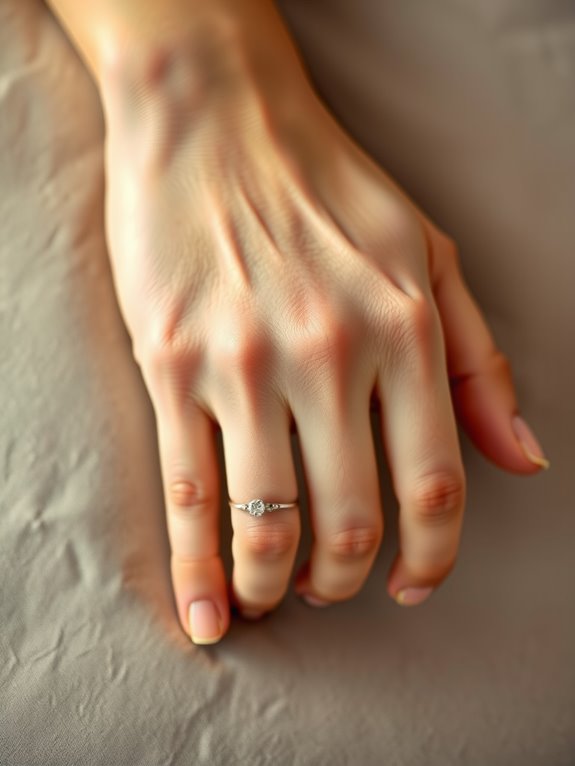
Why does your ring feel perfectly snug one day and loose the next? Your hand swells and shrinks constantly throughout the year, which is why sizing isn’t a one-time decision but an ongoing process.
Several factors influence how your ring fits:
- Temperature changes: Warm months cause seasonal swelling that can loosen rings by half a size or more, while cold weather typically tightens your fit
- Band width: A wider band requires a smaller numeric size than a narrow band on the same finger—a 6mm band might fit differently than a 2mm band
- Time of day: Your fingers are smallest in the morning and gradually swell throughout the day, sometimes varying by a full size
- Finger location: Each finger has a different circumference, so a size seven on your ring finger won’t necessarily work on your middle finger
Professional jewelers use sizing rings and multi-size keychains to account for these variables. They try multiple band sizes in-house to identify what actually works for your hand rather than relying on standard sizing charts.
Your ring size isn’t static. When you switch fingers or hands, resizing maintains both comfort and how the ring sits against your skin. Working with a jeweler who understands these complexities means your ring stays fitted properly, whether the seasons change or your hand naturally fluctuates throughout the day.
How Heat and Swelling Change Your Ring Fit
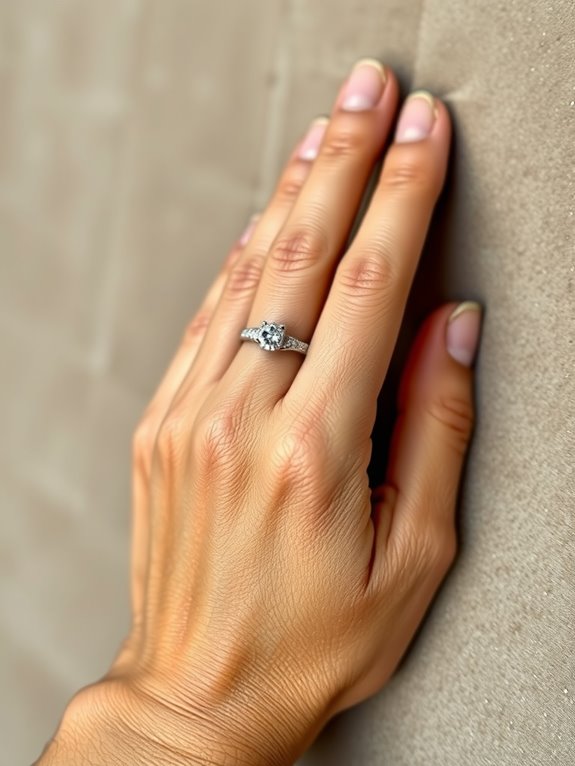
Understanding your ring’s fit requires recognizing how temperature and physical activity reshape your hand throughout the year. Your fingers swell noticeably during warm months and exercise, which can loosen even a properly sized ring. Professional jewelers use multi-size keychains to account for these natural fluctuations when determining your ideal year-round ring size.
Have you noticed your ring fitting differently in summer versus winter? That’s swelling at work. Band width matters significantly too—wider bands often require adjusting your size slightly upward for sustained comfort. A jeweler might recommend going up a half-size when choosing a band wider than three millimeters, compared to thinner solitaire settings.
If your hands differ in swelling patterns, resizing or trying rings on separate fingers helps you find that sweet spot. Some people experience significant swelling in their dominant hand due to increased blood flow during daily activities. Temperature-related changes are completely normal, so modifying your wearing habits accordingly throughout the seasons maintains optimal fit consistency.
Durable Metals and Stones for Lifelong Wear
What separates a wedding ring worn for fifty years from one replaced after five? The answer lies in selecting metals and gemstones specifically engineered to handle decades of daily wear. Your engagement rings and wedding bands need materials that resist scratching, maintain their appearance, and hold gemstones securely through regular use.
Gold alloys in yellow, rose, and white varieties resist tarnishing while preserving their original brilliance over time. Platinum stands out for superior scratch resistance and density, though it costs roughly two to three times more than gold per gram. Palladium offers a lightweight alternative with comparable strength, typically priced between gold and platinum. These metals form the foundation of rings that last generations rather than years.
For gemstones, diamonds rank highest in durability with a rating of 10 on the Mohs hardness scale. Rubies score 9 on the same scale, making them suitable for active lifestyles where your hands encounter regular contact. Sapphires provide similar hardness with greater color variety than rubies, another practical choice for worn jewelry.
Ring sizing requires careful attention during the design process. Fingers swell slightly with temperature changes, sodium intake, and activity level, so measure your size at different times of day. Allow at least four weeks before your wedding date to complete any sizing adjustments, giving your jeweler adequate time to make alterations without rushing the work.
Engrave and Personalize Your Wedding Band
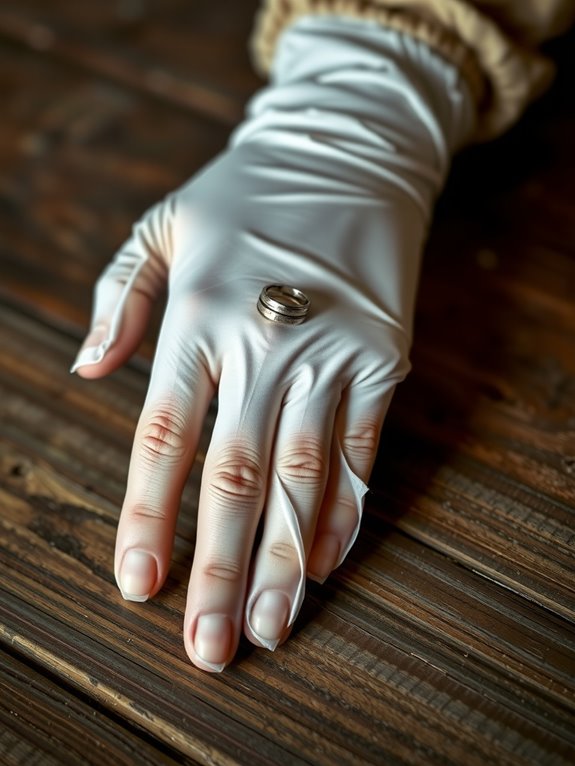
Your wedding band’s interior offers a private space for meaningful personalization that outlasts trends. Engraving lets you preserve initials, dates, names, or quotes that hold significance for your relationship.
Common engraving choices include your wedding date, combined initials, or a short phrase meaningful to both partners. Some couples select coordinates of where they met or a line from vows. The messages that work best typically stay under 20 characters, accounting for spacing and letter size.
Font selection matters more than many couples realize. Your engraver can show you options that coordinate with your band’s existing style—whether that’s modern sans-serif lettering, classic script, or decorative fonts. Ornate scripts require more space than block letters, so your message length depends partly on which font you choose.
How much lead time do you actually need? Adding engraving typically adds two to three weeks to your overall production timeline. If your wedding date falls within eight weeks, contact your jeweler immediately to confirm they can accommodate both sizing adjustments and engraving before your ceremony. Rushing this work sometimes means accepting less precise lettering or incomplete quality control.
Metal durability isn’t compromised by engraving—the process actually strengthens the interior surface slightly through controlled pressure. Whether your band contains diamonds, gemstones, or remains solid metal, engraving won’t weaken the structure. This permanence means your personalized message will remain legible through decades of wear.
The cost of engraving ranges from $25 to $75 depending on complexity, lettering depth, and your jeweler’s location. Custom or specialty fonts may add $15 to $25 to the base price.
Professional Ring Resizing: When You Need It
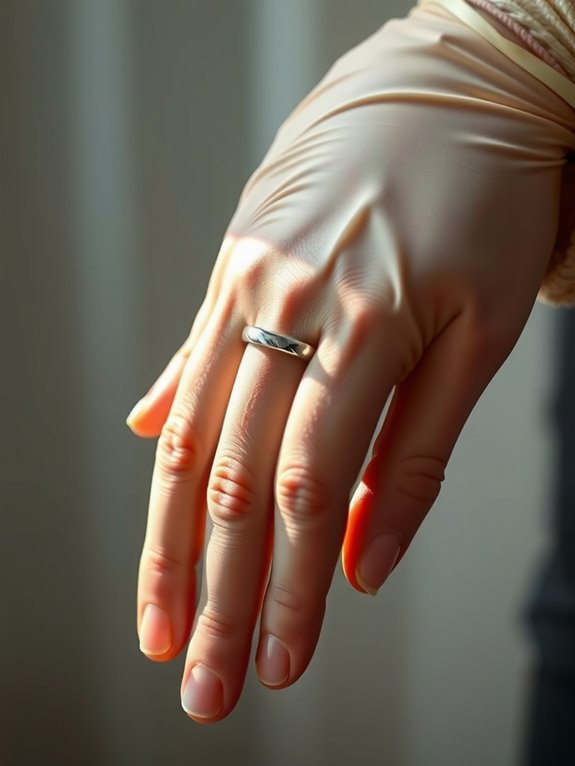
How often do you check whether your ring actually fits?
Your ring size shifts throughout the year due to temperature changes and natural finger swelling. Professional resizing keeps your ring comfortable and secure while accounting for these seasonal variations. A skilled jeweler can adjust your band to maintain consistent fit across different seasons and life circumstances.
Consider these situations where professional resizing becomes necessary:
- Your ring slides off during winter months when hand volume decreases
- Finger size changes from weight gain, pregnancy, or aging
- Custom or heirloom rings need fitting before your wedding day
- You’re uncertain about your exact ring size during try-on sessions
A qualified jeweler uses sizing rings and mandrels to establish your ideal measurement with precision. They’ll evaluate how temperature and seasonal factors affect your fit and recommend sizing solutions that work year-round. Planning your resize ahead of time—ideally three to four weeks before wearing the ring for important events—prevents rushed appointments and gives the jeweler adequate time for quality work.
Most ring resizing costs between $25 and $75 depending on the metal type and complexity of the band. Simple sizing in common metals like gold or silver typically takes five to seven business days, while intricate designs with stones may require two to three weeks. Discuss your timeline with the jeweler during your initial consultation to ensure the work aligns with your needs.