

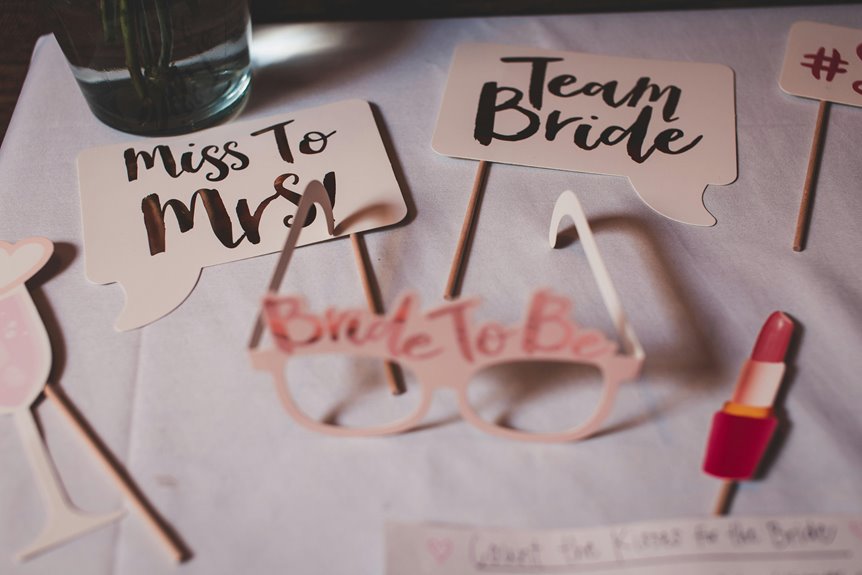
A bridal shower celebrates the bride-to-be while guests present gifts that support her transition into married life. This event requires coordinating three foundational elements: selecting a leader, timing the event properly, and establishing realistic financial parameters.
Leadership and Planning Structure
You’ll need someone to take point on the bridal shower—typically the maid of honor, a co-host team, or a professional event planner. The maid of honor often shoulders this responsibility as part of her traditional role, though modern couples frequently distribute tasks among multiple bridesmaids to prevent one person from bearing the entire workload. Professional planners charge between $300 and $800 depending on your location and event complexity, which can be worthwhile if your bridal party lives in different cities or has competing schedules.
Timeline and Budget Parameters
Schedule your shower approximately two months before the wedding. This window provides enough lead time for venue booking and vendor coordination while keeping the event fresh in guests’ minds. Budget expectations typically range from $450 to $1,600 for 30 to 40 attendees, translating to roughly $12 to $40 per guest. This covers venue rental, food and beverages, decorations, and activities—though your actual spend depends heavily on location and guest count.
Core Planning Responsibilities
After securing your venue, focus on managing RSVPs to finalize headcount and catering quantities. Plan themed activities that align with the bride’s personality rather than defaulting to traditional games. Day-of logistics include coordinating setup timing, delegating tasks among helpers, and arranging gift display and transportation. Clear communication among all organizers prevents duplicate efforts and scheduling conflicts that can derail execution.
What Is a Bridal Shower?
What Is a Bridal Shower?
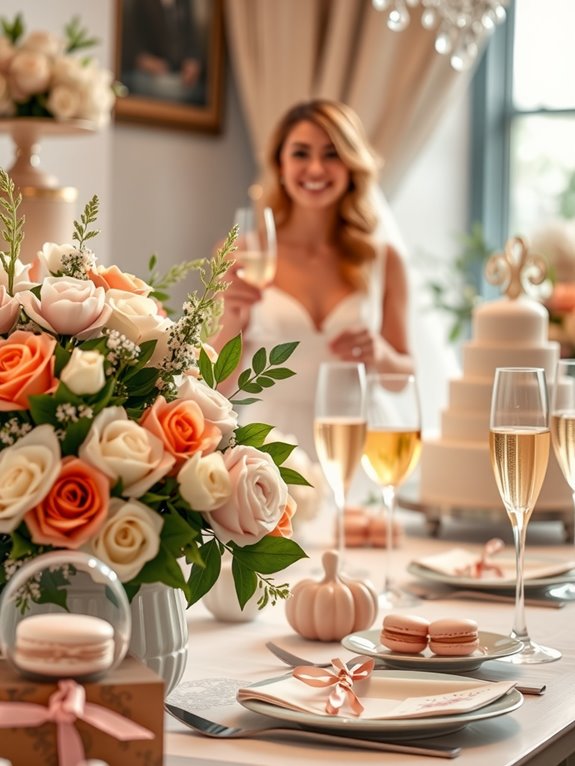
A bridal shower is a pre-wedding celebration where guests gather to honor the bride-to-be and present her with gifts. This tradition originated in 16th-century Holland, where families created gatherings to help brides acquire household essentials before marriage. The custom gained significant popularity in America during the late 1800s and has remained a standard pre-wedding event ever since.
Planning a bridal shower involves three primary components: selecting your venue, establishing a theme, and understanding proper etiquette expectations. Your guest list typically includes the bride’s closest friends and family members, though the size varies depending on budget and venue capacity. Modern showers have evolved considerably from their gender-segregated origins. Today’s celebrations welcome co-ed participation, allowing grooms, male family members, and friends of all genders to attend and contribute to the festivities.
Whether you’re organizing the event or attending as a guest, participation connects you to a meaningful ritual that brings loved ones together before the wedding. The shower provides an opportunity for the bride to receive gifts that support her transition into married life while celebrating relationships that matter most to her.
Decide Who Will Lead Planning and Hosting
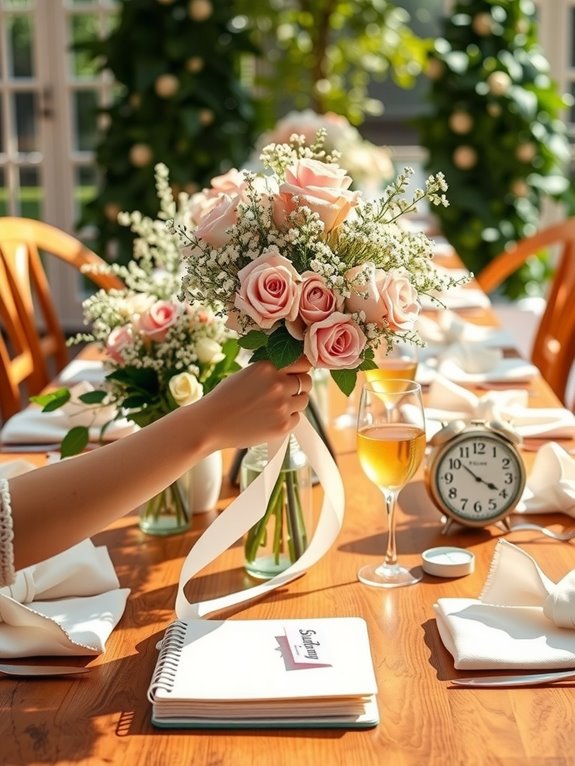
The maid of honor traditionally shoulders planning responsibilities, though modern bridal showers have opened the door to alternative leadership structures. Your coordinator could be a professional wedding planner, a rotating team of bridesmaids sharing duties, or yourself with assistance from close friends and family members.
What matters most is selecting a leader or group that genuinely understands your vision and can manage the operational details. These include developing guest lists, sending invitations, selecting a theme, and determining whether gift-opening happens during the event. The coordinator should feel comfortable communicating with vendors, tracking RSVPs, and making decisions that align with your preferences and budget.
A single maid of honor works well for smaller, straightforward celebrations under 30 guests. Co-host arrangements distribute workload effectively across two to three bridesmaids, with each person owning specific tasks like decorations, food coordination, or entertainment. Professional planners typically charge $500 to $3,000 depending on event scale and location, and they handle vendor relations, timeline management, and troubleshooting that might otherwise fall on your shoulders.
Consider your social circle’s availability, organizational skills, and willingness to invest time before assigning this role. Someone juggling a demanding job or new baby may feel stretched thin managing shower logistics. The best coordinators ask clarifying questions, follow through on commitments, and communicate progress updates regularly rather than surprising you with decisions made unilaterally.
Traditional Host Responsibilities
The maid of honor or a close family member typically leads bridal shower planning, though co-hosting arrangements can distribute both responsibilities and financial burden across multiple people. Your role encompasses invitation coordination, venue selection, menu planning, décor decisions, guest list management, budget oversight, and day-of execution.
This position demands strong organizational abilities and clear communication with both vendors and the bride. You’ll collaborate with the bride to establish the event’s theme, select activities, and determine the overall atmosphere she envisions. Wedding planner Sarah Stanfield notes that “hosts who communicate early and often prevent most planning complications.”
When costs mount beyond comfortable spending levels, splitting expenses among co-hosts provides practical relief. For intricate events with numerous vendor touchpoints, hiring a professional planner can manage timelines and coordinate logistics more efficiently than a volunteer host juggling work and personal commitments.
The host role requires attention to detail across multiple moving parts simultaneously. What specific planning tasks feel most manageable for you, and which might benefit from delegating to co-hosts or professionals? Breaking the planning process into phases—initial concept and budget setting, vendor selection and booking, final confirmations and timeline creation—makes the workload less overwhelming across the weeks leading up to the shower.
Your responsibilities ultimately center on translating the bride’s preferences into a coordinated event while managing the practical realities of scheduling, spending, and logistics.
Co-Host Selection and Roles
Traditionally, the maid of honor leads bridal shower planning, though co-hosts distribute the workload across multiple people rather than concentrating it on one person. Bringing in bridesmaids or close relatives as co-hosts handles decoration, food coordination, and event logistics—tasks that would overwhelm a single organizer.
How do you actually divide both responsibilities and costs fairly? Start by identifying who has bandwidth for planning work over the next 6-12 weeks. People juggling full-time jobs, young children, or other commitments may contribute financially rather than logistically, and that’s a legitimate choice.
Coordinate with the bride before assigning any duties. Her preferences regarding guest list size, theme direction, and budget parameters shape which vendors you’ll contact and what timeline you’re working with. A small, intimate shower with 15 guests requires different planning than a 50-person brunch event.
Once you understand the scope, assign specific roles with clear ownership. One co-host manages vendor communications (caterer, florist, venue), another oversees decorations and supplies, and someone else coordinates the schedule and guest communications. This prevents the situation where three people call the same venue or two people purchase duplicate centerpieces.
Splitting costs typically means the maid of honor and one or two co-hosts cover shared expenses like the venue or catering, while bridesmaids contribute smaller amounts toward decorations or supplies. Many groups use apps like Venmo or split payment platforms to track who paid what and settle differences afterward.
When co-hosts understand their specific duties, planning becomes collaborative rather than overwhelming for any single person.
Leadership and Planning Coordination
Every successful bridal shower requires someone willing to make decisions, coordinate multiple moving parts, and hold people accountable to the timeline. The maid of honor traditionally fills this leadership role, though bridesmaids or close family members can share hosting duties and responsibilities.
Before moving forward, establish clear communication with the bride about her vision and preferences. What matters most to her—an intimate gathering or larger celebration? Her input shapes everything from theme selection to guest list size to venue choice. Schedule an initial conversation within two weeks of deciding to host, and document her preferences in writing or a shared digital file.
Address financial logistics early to prevent misunderstandings later. Will you split costs equally among co-hosts, divide expenses by specific categories (decorations, food, invitations), or have one person absorb all costs? According to the Wedding Wire 2024 survey, bridal shower hosts spend an average of $250 to $500 total, with individual contributions ranging from $50 to $150 depending on guest count and venue type. Be transparent about these numbers upfront.
Assign clear roles based on each person’s strengths and availability. One co-host might handle vendor communication and contracts, another manages the guest list and RSVPs, and a third coordinates day-of logistics and setup. Document who owns which responsibility in a shared document to eliminate confusion about overlapping duties.
Secure your venue and confirm the date within four weeks of the event. Check availability with the bride’s family, close friends, and the bride herself before booking. Once locked in, send save-the-dates three to four weeks ahead to give guests adequate notice for scheduling and travel arrangements.
Set Your Date, Budget, and Guest List
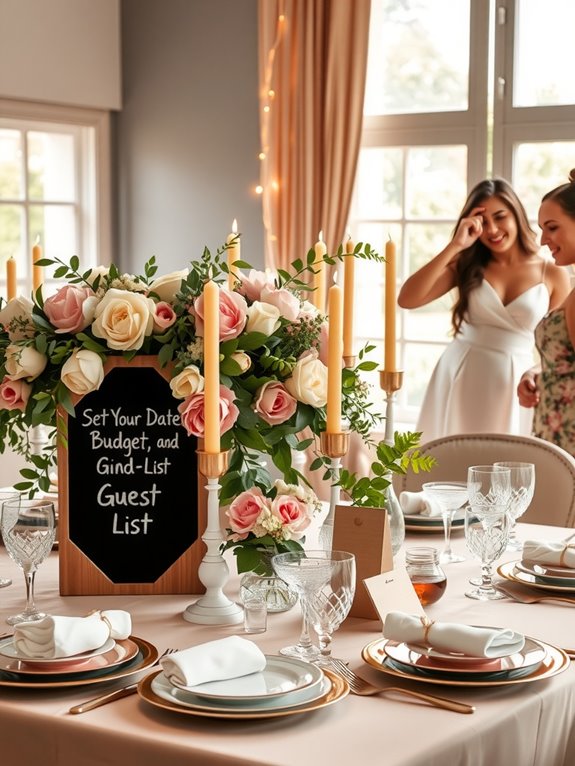
With your host and co-hosts confirmed, three interconnected decisions demand your attention: timing, budget, and guest count. Schedule your shower between two months and two weeks before the wedding, preferably on a weekend afternoon, to maximize attendance without scheduling conflicts. Your budget and guest list will directly influence each other since you’re targeting thirty to forty guests at fifteen to forty dollars per person. This means your total expenses could fall anywhere from several hundred dollars to over three thousand, depending entirely on your chosen venue and vision for the event.
Timeline and Advance Planning
Aim for two to eight weeks before the wedding when scheduling your bridal shower, ideally on a weekend afternoon. This window allows guests to adjust their schedules while giving the bride adequate time to enjoy the celebration before wedding week stress intensifies.
Start your planning by discussing budget and guest count with your cohosts. Per-person spending typically ranges from $15 to $40, with total event costs potentially reaching $3,000 or more for larger gatherings. Begin your guest list using the bride’s wedding invitations as your foundation, targeting 30 to 40 attendees that include bridesmaids and immediate family members.
Selecting your venue comes next and depends largely on your guest count and accessibility needs. Home gatherings, private rental spaces, and restaurants each offer different advantages depending on your budget and comfort level hosting. Once you’ve locked in a location, coordinate invitations and RSVP tracking through digital tools like The Knot or similar platforms.
What specific responsibilities will each cohost handle? Clarifying roles early—whether someone manages food, decorations, or guest communication—prevents overlapping efforts and confusion. Planning these logistics several weeks ahead gives you time to address scheduling conflicts and keeps everyone aligned on expectations.
Budget Allocation and Cost Sharing
Funding a bridal shower requires honest conversations about money before enthusiasm takes over. The maid of honor and co-hosts typically split expenses, with per-person costs ranging from $15–$40 depending on guest count and venue choices. A shower with 30–40 guests usually requires $450–$1,600 minimum, though celebrations exceeding 50 guests frequently reach $3,000 or beyond.
Start your budget by listing fixed costs first: venue rental, printed invitations, and catering represent your largest line items. Once you’ve calculated those numbers, add decorations and planned activities separately. Most venues charge either hourly rental fees (typically $50–$300) or require food and beverage minimums to secure the space.
Multiple hosts sharing expenses distributes the financial load more reasonably than placing full responsibility on a single person. If the bride’s social circle spans different cities, you might plan separate regional showers instead of one large gathering. This approach actually reduces per-person costs since travel expenses disappear and smaller venues cost less to rent.
Guest registries serve a practical purpose beyond decoration preferences. When guests understand the shower’s budget constraints, they contribute more thoughtfully to group gifts rather than purchasing items separately. This coordination prevents duplicate purchases and stretches the group’s collective budget further.
Breaking down total costs among multiple hosts from the start prevents resentment and financial strain. Discuss whether everyone contributes equally or whether some hosts cover specific categories like venue while others handle food or decorations. Clear agreements about who pays what eliminate confusion before invoices arrive.
Guest List and Invitations
Start with the bride’s wedding invite list as your baseline, targeting 30–40 guests for standard venues. Include bridesmaids, close friends, and key relatives while consulting the bride on her groom’s side family choices.
| Planning Element | Timeline | Action Items |
|---|---|---|
| Send invitations | 6–8 weeks before | Mail or email details |
| Track RSVPs | 4–5 weeks before | Follow up on responses |
| Confirm final headcount | 2–3 weeks before | Adjust menu and seating |
| Finalize venue logistics | 1 week before | Lock in all arrangements |
Your final guest count determines menu selections, seating arrangements, and venue logistics. Getting RSVPs back early prevents scrambling during the final two weeks. Why wait until the last minute when caterers and venues need accurate numbers weeks in advance?
Send invitations 6–8 weeks out, allowing guests adequate time to respond. Follow up around week four or five if responses are slow, since some guests need a gentle reminder. By weeks two to three, you should have a solid count that lets you finalize food orders and table assignments with your venue.
Map Your Bridal Shower Timeline (3 Months to Day-Of)
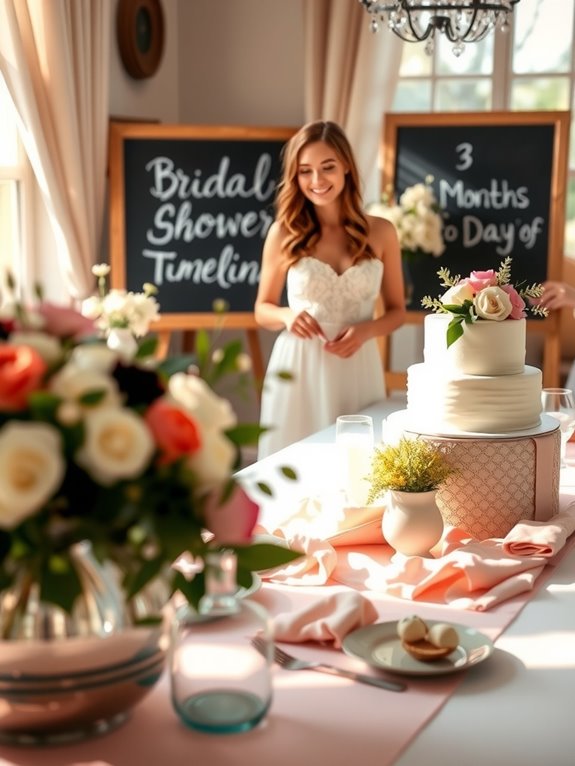
Map Your Bridal Shower Timeline (3 Months to Day-Of)
Three Months Before: Lock In Your Foundation****
Start by selecting your date and venue three months ahead of your bridal shower. This timeline allows you to secure popular venues before they book up, particularly if you’re planning during peak wedding season (May through October). Research 8-12 potential spaces within your budget range, typically $300 to $2,000 for venue rental depending on guest count and location. Once you’ve chosen your space, confirm the booking in writing and clarify what’s included regarding tables, chairs, kitchen access, and setup time.
Eight Weeks Out: Invitations and Guest Tracking****
Send invitations eight weeks before the event, whether through digital platforms or printed cards. Your invitation should specify the date, time, location, dress code, and RSVP deadline—typically three weeks before the shower. Request that guests note any dietary restrictions, allergies, or accessibility needs at this stage. Create a spreadsheet to track RSVPs, dietary requirements, and gift registry information, updating it weekly as responses arrive.
Six Weeks Prior: Build Your Schedule****
Finalize your shower itinerary by mapping out each hour, allocating specific time blocks for guest arrival and mingling, the meal service, bridal shower games or activities, and gift opening. How long should you dedicate to each component? Most showers run 2.5 to 3 hours total, with 30 minutes for arrival, 45 minutes to one hour for eating, 30 to 45 minutes for activities, and 30 to 45 minutes for presents. Consider hiring entertainment (musicians, photographers) at this point if desired, with costs ranging from $200 to $800 depending on the vendor.
Four Weeks Ahead: Confirm Details and Monitor Logistics****
Verify all venue details with your contact, including setup availability, parking, weather contingencies if it’s an outdoor space, and noise restrictions. Finalize your decor color scheme and purchase or order decorations—budget approximately $150 to $400 for centerpieces, linens, balloons, and signage. Review your dietary notes and communicate any requirements to your caterer or prepare shopping lists if you’re handling food yourself. Confirm headcount with your venue and caterer four weeks out so you’re not charged for no-shows.
Two Weeks Before: Create Your Day-of Schedule****
Write out a detailed timeline for the day itself, noting setup start time, activity start times, meal service, gift opening, and breakdown. Include contact numbers for your venue, caterer, and any vendors. Assign specific responsibilities to your co-hosts or wedding party members if you have help. Purchase any last-minute supplies like tissue for gift bags, thank-you cards, or backup decorations.
Day Of: Execute With Intention
Arrive at least one to two hours before guests to set up tables, decor, and activity stations. Walk through your timeline with any helpers so everyone knows when to transition between activities. Stay flexible—if guests are enjoying conversation during a scheduled game time, adjust accordingly. Your role is to keep things moving while allowing the celebration to feel natural rather than rigid.
Find the Right Venue for Your Guest Count and Budget
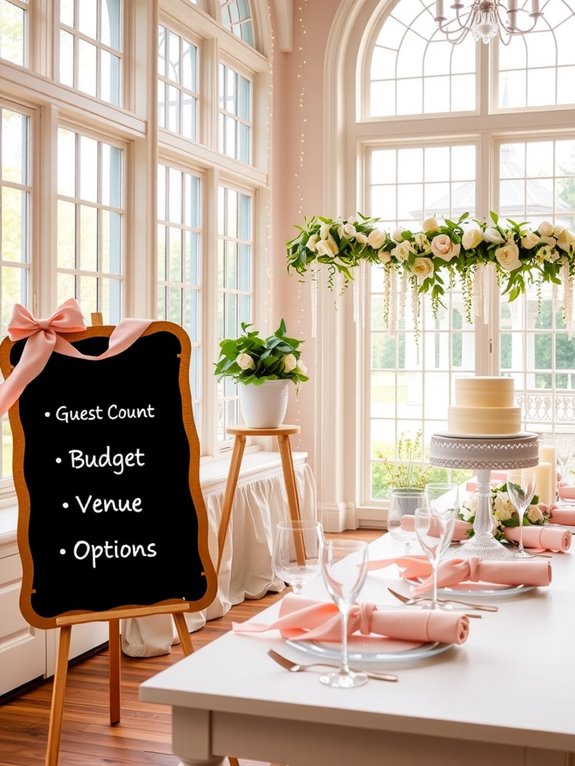
Scout venues that fit your guest count and budget by exploring options from intimate home gatherings to restaurant private rooms. Community centers typically cost $200-$500 for a four-hour rental, while parks range from free to $300 depending on your location and amenities. Larger venues often bundle catering and staffing, which reduces the number of vendors you’ll coordinate separately.
Compare multiple spaces early in your planning process. Why wait until guest lists solidify and popular venues fill their calendars? Securing your top choice with a deposit—usually 25-50% of the total cost—locks in pricing before seasonal rate increases happen.
What does your budget allocation look like? Most couples spend 20-30% of their total wedding budget on the venue itself. If you’re working with $5,000, that suggests $1,000-$1,500 for space rental. A friend’s backyard eliminates venue costs entirely but may require tent rental ($1,500-$3,000) and restroom facilities ($400-$600) if your home doesn’t accommodate guests comfortably.
Different venue types serve different planning needs. Restaurant private dining rooms handle food service and cleanup, reducing your logistical burden. Nontraditional spaces like barns, warehouses, or galleries offer character but require you to source catering, rentals, and cleanup separately—factors that typically extend your budget by 15-25%.
Document capacity limits for each space you visit. Venues with fire code limits of 75 guests won’t work if your list reaches 90. Ask about included amenities: tables, chairs, linens, parking, climate control, and backup indoor space if you’re considering outdoor venues. These details separate an affordable option from one that drains your budget through rental add-ons.
Venue Options by Size
How do you choose a venue that won’t leave you scrambling for space or paying for empty rooms?
Matching your venue’s capacity to your finalized guest list prevents costly mistakes. Consider these popular options:
| Guest Count | Venue Type | Budget Range | Key Considerations |
|---|---|---|---|
| 10-25 | Home or small restaurant | $300-800 | Minimal deposit, personal touch |
| 26-50 | Private restaurant or boutique space | $800-2,500 | Catering minimums apply |
| 51-100 | Banquet hall or themed venue | $2,500-6,000 | Staffing and rental items needed |
| 100-150 | Large private venue | $6,000-12,000+ | Multiple deposits required |
| 150+ | Resort or event center | $12,000+ | Comprehensive planning essential |
Your budget extends beyond the venue deposit itself. Catering minimums, staffing costs, and rental items like linens and tables add significant expenses that vary by location and guest count. A 50-person reception at a private restaurant might include a $1,500 catering minimum, while the same guest count at a banquet hall could require $3,000 to $5,000 when factoring in linens, chair rentals, and event staff.
Touring multiple spaces helps you assess suitability and negotiate better rates. When visiting venues, ask about what’s included in the rental fee versus what costs extra, whether you can bring outside vendors like photographers or caterers, and what deposits are required at different stages of planning.
Budget-Friendly Location Strategies
Budget-Friendly Location Strategies
Your venue decision will likely consume 40-50% of your total bridal shower budget, making it the single largest expense category you’ll manage. Matching your venue choice with both guest count and available funds requires honest assessment before you begin touring spaces.
Home gatherings and spaces offered by relatives present the most affordable options, typically costing nothing beyond basic setup supplies. Restaurant private rooms occupy the middle ground, offering built-in tables, chairs, and kitchen facilities that eliminate rental fees while ranging from $200-800 depending on your area and guest count. When selecting any venue, consider how well the space aligns with your shower theme—a garden-themed celebration works better in a backyard than a restaurant’s interior dining room.
Hidden costs deserve particular attention during your planning phase. Deposits usually range from 25-50% of the total venue fee and require payment weeks in advance. Staffing charges, particularly if the venue doesn’t include service, can add $200-400 to your final bill. Read contracts carefully to identify what’s included versus what carries additional charges.
Creative cost-reduction approaches work alongside venue selection. Borrowing decor items from friends and family, combined with simple DIY decorations, reduces spending without sacrificing visual appeal. A potluck model where guests contribute prepared dishes keeps catering costs manageable while building a collaborative atmosphere—this approach typically reduces per-person food costs from $20-30 down to $8-15.
Working within a $15-40 per person budget requires strategic decisions that combine affordable venue selection with supplementary cost-cutting methods throughout your planning timeline.
Pick a Theme That Reflects the Bride’s Style
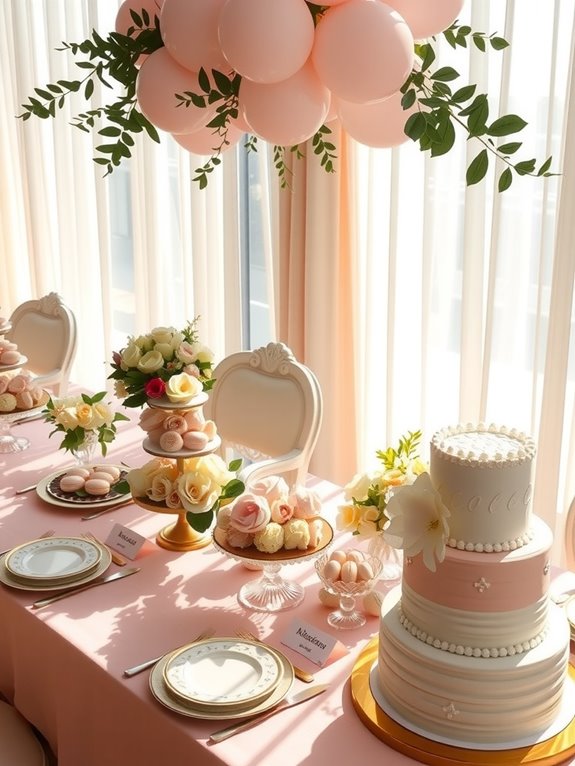
What makes a bridal shower memorable comes down to one factor: a theme that authentically represents who the bride is. Rather than defaulting to generic decorations or expensive favors, consider her actual personality, hobbies, and daily life when selecting your direction.
Does she spend weekends hiking or camping? A garden-inspired or outdoor adventure theme works well. Is cooking or wine tasting central to her identity? Build the shower around her favorite cuisine or a wine education component. The theme you select influences every downstream decision—from venue type and invitation design to menu planning and activity selection.
Strong planning starts with a brief conversation about her interests before you lock in details. You might ask directly about her hobbies, preferred aesthetics, or activities she enjoys with friends. This information prevents misaligned choices that feel off-brand for the guest of honor.
A cohesive theme connects invitations, activities, food offerings, and gift suggestions into one unified experience. When these elements align with her actual lifestyle rather than generic bridal trends, the bride feels genuinely seen and celebrated. This personalized approach typically costs the same as a generic shower but delivers significantly more impact on her experience.
Send Bridal Shower Invitations With RSVPs
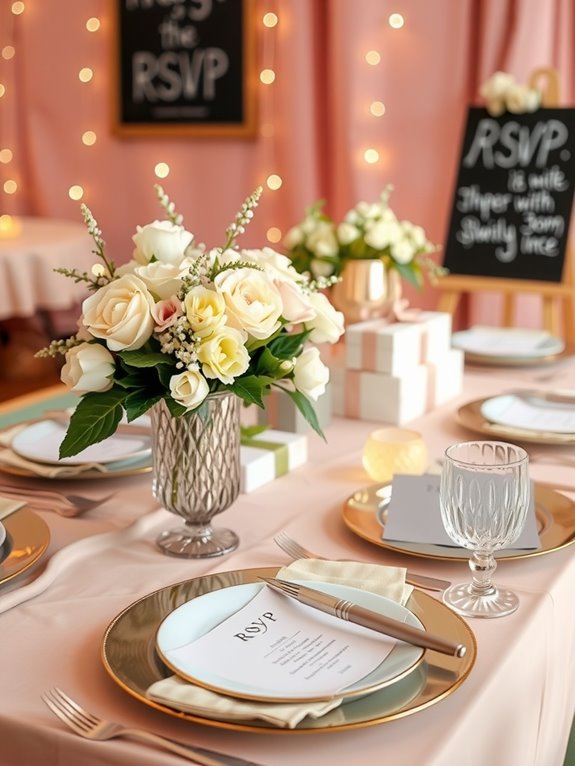
Timing Your Bridal Shower Invitations
Mail invitations six to eight weeks before your shower. This timeline gives guests enough notice to adjust their schedules and helps you collect RSVPs with breathing room for planning. Set your RSVP deadline about two weeks before the event—this gives caterers the final headcount they need for accurate food preparation and service planning.
What to Include in Your Invitations
Your invitation should contain several key elements. Date, time, and venue need to be crystal clear so guests know exactly where and when to show up. Include your contact information alongside specific RSVP instructions, whether guests should call, text, email, or respond through a digital platform.
Ask about dietary restrictions or allergies when guests confirm attendance. This information prevents food waste and ensures everyone has appropriate meal options. Collect guest addresses during the RSVP process—you’ll need these for sending thank-you cards later anyway.
Organizing Your Guest List
Digital tools like The Knot Guest List Tool streamline address collection and response tracking in one place. You can note dietary preferences, plus-one status, and attendance confirmation without juggling spreadsheets or paper notes. This system also helps you cross-reference your shower guest list with wedding invitees, ensuring consistent etiquette across both events. Most platforms store this information securely and let you access it from any device during your planning process.
Choose What to Serve (Food, Drinks, and Alcohol)
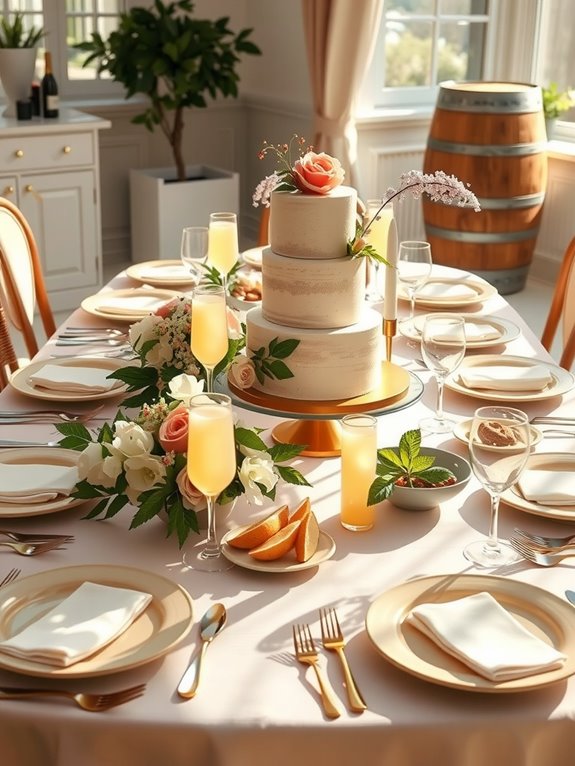
Once your RSVP count is finalized, you can develop a menu that reflects both practicality and thoughtfulness. Your bridal shower menu typically includes appetizers, a main course, and dessert while accommodating dietary restrictions like vegetarian, gluten-free, and allergy-related needs.
Beverage stations add interactive appeal to your event. A mimosa bar with various juices and champagne alternatives costs between $8 and $15 per person, while a signature cocktail tied to your shower’s theme creates cohesion without requiring extensive bartending skills. Why not combine alcoholic options with mocktails or sparkling water stations so guests without alcohol preferences feel equally welcome?
Menu selection works best when you balance universally liked dishes with items the bride specifically enjoys. A chicken option, pasta dish, and vegetarian protein typically satisfy most guests. Consider whether a seated meal with plated service or a buffet setup fits your venue and guest count, as each approach affects food quantities and labor costs.
A potluck model reduces your financial responsibility while encouraging guest participation. You handle the main course—estimated at $12 to $18 per person for catering—while guests contribute appetizers, sides, or desserts. This shared approach builds connection among attendees and distributes the planning load across multiple people.
Dietary restrictions deserve advance attention. Request accommodation information on your RSVP form, then confirm numbers two weeks before the event. This allows caterers or your kitchen team to prepare appropriate portions without last-minute scrambling.
Pick Bridal Shower Games and Activities (With Examples)
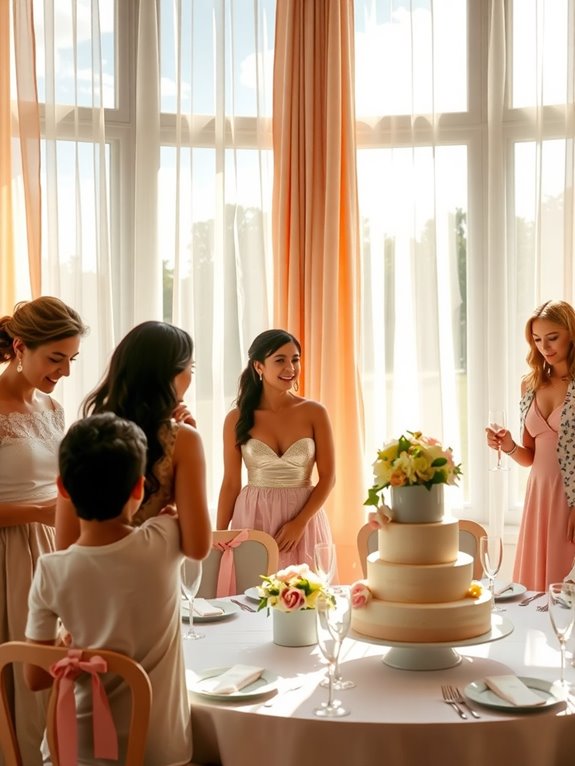
Games and activities shift your bridal shower from a passive gathering into an interactive celebration where guests genuinely connect with each other and the bride.
You’ll want to strategically time activities during the mid-meal lull to maintain momentum without disrupting dinner flow. Consider these engaging options:
- DIY bouquet activity – guests create custom floral arrangements using seasonal flowers and greenery that the bride can take home or display at the reception
- Modern bridal bingo – personalized cards featuring couple facts, wedding details, and relationship milestones rather than traditional number combinations
- Wedding party trivia – questions about the bride’s relationship history, how the couple met, or memorable moments from their dating years
- Photo-worthy prop stations – themed signage and accessories positioned throughout the venue that capture candid moments guests actually want to share
Assign a host facilitator to each game, handling setup, explaining rules, and managing transitions between activities. This prevents awkward pauses where guests feel uncertain about participation. Designate a dedicated gift area positioned away from activity stations to prevent gifts from being misplaced or damaged during interactive portions.
What separates successful bridal showers from forgettable ones often comes down to intentional pacing. Rather than cramming activities back-to-back, space them throughout the event so guests can eat, chat, and participate without feeling rushed or overwhelmed by constant scheduled activities.
Use Decor to Bring Your Theme to Life
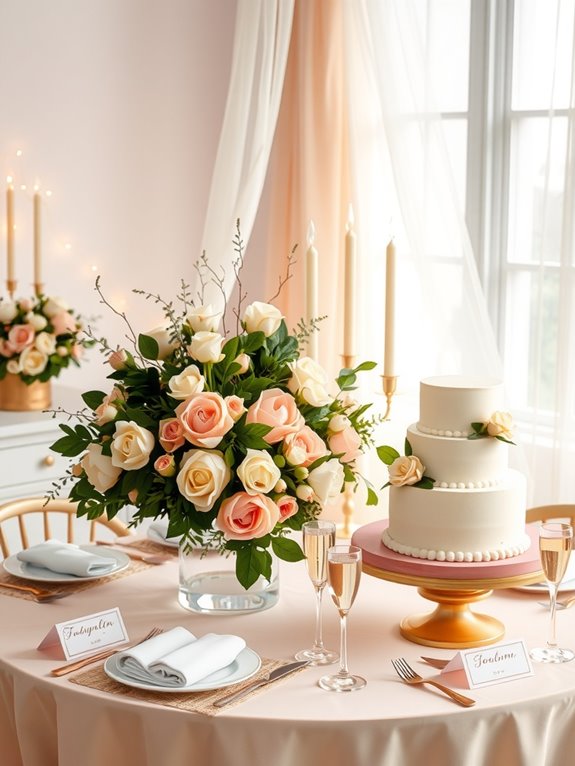
While games and activities create memorable moments, your decor sets the visual stage that makes those moments feel intentional and cohesive. Your bridal shower decor transforms your chosen theme into tangible reality through strategic design choices.
Create a mood board early—ideally 6-8 weeks before your shower—to visualize how florals, signage, and backdrops work together. This planning tool bridges the gap between inspiration and execution, allowing you to test color combinations and spatial layouts before committing budget to purchases or rentals.
| Decor Element | Budget-Friendly Option | Theme Impact | Cost Range |
|---|---|---|---|
| Centerpieces | DIY arrangements with branches, greenery | Establishes table focal points | $15-30 per table |
| Signage | Printed designs on cardstock or kraft paper | Guides guests through activities | $20-50 total |
| Backdrops | Borrowed fabric, streamers, or sheet combinations | Creates photo opportunities | $0-40 with rentals |
| Linens | Rental pieces matching your color palette | Unifies overall aesthetic | $8-15 per table |
What draws guests into your theme most effectively—the moment they arrive or as they move through the space? Incorporate theme-aligned focal points like DIY stations where guests assemble favors or interactive backdrops that feature props related to your theme. These elements serve double duty by engaging attendees while reinforcing your visual story without requiring professional installation or designer fees.
Consider which decor elements directly support your chosen activities. If you’re featuring a cocktail-mixing station, backdrop placement near that area frames the experience. If you’re doing a trivia game, signage becomes functional rather than decorative alone. This approach prevents decor from feeling disconnected from what guests actually do during the event.
Set Up a Gift Table and Make a Ribbon Bouquet (Here’s Why)

The gift table functions as both a practical holding area and an organizational hub that prevents presents from getting misplaced or damaged during your shower. Designating a specific person to manage this station throughout the event keeps track of who brings what and maintains overall flow.
Creating a ribbon bouquet during gift unwrapping serves multiple purposes beyond simple decoration. As each guest’s present gets opened, you collect the ribbons and bows to assemble into a keepsake bouquet that travels with you through rehearsal and beyond.
This tradition offers several advantages worth considering:
Memory preservation – The ribbon bouquet becomes a tangible reminder of your shower experience that holds sentimental value for years afterward.
Guest recognition – Ribbons from each gift make it easy to remember who contributed what without consulting your gift list later on.
Visual coordination – The collected ribbons naturally reflect your shower’s color scheme and decorative theme through the gifts your guests selected.
Organized management – Having one person oversee both the gift table and ribbon collection prevents ribbons from getting lost among wrapping paper and decorations.
The ribbon bouquet tradition connects you meaningfully with your guests while creating a functional keepsake. Wedding coordinator Sarah Mitchell notes that “the bouquet gives brides a practical way to honor their guests’ contributions while maintaining an organized gift area.” Expect to gather approximately 20 to 50 ribbons depending on your guest count, which typically creates a bouquet measuring 8 to 12 inches in diameter.
Assemble Bridal Shower Favors and Handle Last-Minute Setup
Once you’ve organized your gifts and created that meaningful ribbon bouquet, shifting focus to favor assembly and final venue setup separates well-executed showers from chaotic ones. Bridal shower favors deserve thoughtful attention during your planning phase rather than rushed decisions days before the event.
Favor Assembly Timeline
Start assembling DIY favors or coordinating with helpers two to three weeks prior to your shower date. This timeline allows you to finalize favor presentation and packaging that matches your shower theme without last-minute scrambling. Common favor options include personalized candles ($2-5 per unit), homemade jam or honey ($3-6 per jar), monogrammed tea towels ($4-8 each), or small potted succulents ($2-4 per plant).
| Task | Timeline |
|---|---|
| Assemble favors | 2-3 weeks prior |
| Confirm signage | 1 week prior |
| Final run-through | Day before event |
Strategic Venue Setup
Your last-minute setup demands a clear flow that guides guests through your space intentionally. Position event signage strategically throughout your venue—at the entrance, near the gift table, and directing traffic toward food and beverage stations. Arrange shower decor placement to naturally lead guests toward the gift area without creating bottlenecks or confusion about where to place their presents.
Conduct a brief run-through the day before your event, confirming all favors, decor, and activity supplies are ready for deployment. This coordinated approach prevents overlooked details while allowing you to welcome guests with genuine confidence rather than behind-the-scenes stress.
Execute Day-Of Tasks and Enjoy the Celebration
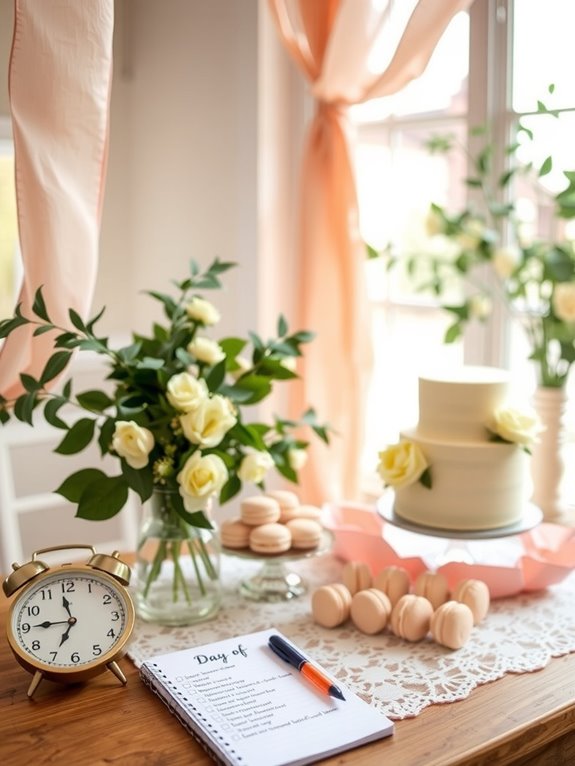
All your careful planning should culminate in executing a seamless celebration where you actually enjoy the moment alongside your guests. You’ve invested significant time in bridal shower planning, so now it’s time to deliver results smoothly.
All your careful planning culminates in executing a seamless celebration where you enjoy the moment alongside your guests.
Your day-of tasks require strategic organization that balances preparation with presence:
Arrive Early and Establish Control****
Show up 90 minutes before guest arrival to finalize reception setup, arrange gifts prominently, and test game equipment thoroughly. Early arrival eliminates last-minute scrambling and gives you time to address unexpected issues—a loose table leg, missing supplies, or sound system hiccups. This buffer period means you can greet the bride and other key participants without stress.
Manage Guest Flow Through Delegation
Greet arriving guests warmly while assigning greeting duties to trusted helpers who can direct people to seating, refreshments, and coat storage. This approach prevents bottlenecks at the entrance and allows you to move throughout the space rather than standing in one spot. One person managing arrivals typically creates delays for 15-20 guests within the first 30 minutes.
Stay On Schedule With Purpose
Announce meals, games, and gift-opening portions at designated times so activities flow logically and guests understand what’s happening next. Assign specific game hosts who’ll facilitate activities, distribute prizes, and maintain energy levels throughout the event. Someone else should record gifts and monetary amounts while you focus on hosting responsibilities rather than fumbling with a notebook.
Build Flexibility Into Your Plan
Unexpected moments happen—a guest arrives late, someone needs to leave early, or a game takes longer than expected. Position yourself to celebrate genuinely by handling logistics beforehand, which frees you to create memories that matter most to the bride rather than constantly troubleshooting problems.