
You can wear white to a bridal shower in today’s wedding culture, though older etiquette rules discouraged it. The key difference is styling—how you present the color matters more than the color itself. A denim jacket or structured blazer adds visual interest and prevents your outfit from looking plain. Textured fabrics like lace or embroidery create dimension that white alone cannot achieve.
Accessorizing strategically keeps attention on the bride rather than your clothing. Jewel-toned pieces—emerald, sapphire, or deep purple—create contrast and sophistication. Consider a statement necklace, colored clutch, or patterned shoes to complete the look.
Regional traditions and cultural practices affect white-wearing acceptability. Some communities view any white as inappropriate for anyone but the bride, while others have moved past this concern entirely. Your safest approach is asking the bride directly about her preferences—a quick text takes thirty seconds and eliminates guesswork.
Understanding the specific context of your shower—the venue, formality level, and the bride’s personality—helps you make the right choice. A casual brunch shower allows more flexibility than a formal afternoon event. If the bride specifically requested avoiding white, that preference overrides general etiquette guidelines.
Yes, You Can Wear White to a Bridal Shower: Here’s Why the Rule Isn’t Strict
Why the White-to-Bridal-Shower Rule Has Softened
Many guests worry about committing a fashion misstep by wearing white to a bridal shower. The tradition of reserving white exclusively for the bride has genuinely loosened in recent years. You can wear white to a bridal shower without offending most modern brides, particularly those who don’t wear white themselves.
If you’re concerned about blending in too much, pair your white outfit with a denim jacket or add colorful accessories to the look. This styling approach demonstrates you’ve considered the occasion thoughtfully while maintaining your personal comfort in what you’re wearing.
Real bridal shower etiquette focuses on appearing polished and put-together rather than policing specific colors. The distinction matters because attendees worry more about showing respect through presentation than adhering to outdated color restrictions.
When uncertainty lingers about the bride’s preferences, consult the invitation for dress code details or send her a quick text. Most brides appreciate guests who ask directly and will share whether they have specific color preferences or comfort levels around this decision.
What the Bride Usually Wears (And Why It Matters)
The bride’s color choice at her shower functions as a dress code announcement, signaling to guests what attire aligns with the event’s aesthetic. Light colors like white, cream, or soft pastels indicate that similar tones work well for attendees. Darker or jewel-toned choices suggest guests should dress accordingly in complementary shades rather than competing hues. Her outfit essentially communicates the formality level and overall vibe she wants guests to experience.
Why does this matter beyond simple coordination? When guests dress harmoniously with the bride’s vision, photographs reflect a cohesive celebration rather than a scattered mix of conflicting styles. A bride wearing blush pink expects something different from attendees than one dressed in navy or burgundy. This unspoken dress code helps everyone feel they belong within the intended aesthetic.
Paying attention to what the bride wears shows respect for the planning effort she has invested in this pre-wedding event. Rather than guessing or defaulting to your standard outfit, you’re actively participating in her vision. The shower represents a chance for her to set the tone before the wedding itself, establishing what matters most about the celebration’s overall appearance and feel.
Bride’s Color Choice Matters
The bride’s outfit choice significantly influences what guests should wear to bridal showers. When the bride selects white or light colors, most guests intentionally avoid those shades to keep her as the focal point. Her style preference establishes the event’s overall tone and sets expectations for attendees about appropriate dress codes.
Some brides wear white at showers to honor tradition and express personal preference, while others specifically request guests avoid white entirely. Checking the invitation details or asking the bride directly prevents wardrobe conflicts before the event arrives. When brides welcome white-wearing guests, attendees often pair white dresses with coordinating jackets or accessories to maintain sophistication while avoiding a bridal gown appearance.
What role should the bride’s vision play in your clothing selection? Your wardrobe choices ultimately show respect for her preferences and the event she’s hosting. Staying attuned to her color choices and style indicates thoughtfulness about the occasion’s significance.
Setting Expectations For Guests
Understanding what the bride typically wears at her shower helps you make smarter clothing decisions without second-guessing yourself. The bride’s choice significantly influences the event’s overall tone and your outfit strategy.
| Bride’s Outfit Choice | Guest Expectation | White Acceptable? | Your Best Move |
|---|---|---|---|
| Traditional white dress | Formal, classic vibe | No—avoid competing | Wear polished pastels |
| Colorful or patterned | Relaxed, personal style | Yes—perfectly fine | Match the casual energy |
| Casual daytime attire | Informal, low-key | Yes—totally appropriate | Keep it comfortable |
| Theme-specific outfit | Fun, coordinated event | Depends on theme | Follow invitation cues |
The bride’s wardrobe choice sets the entire event’s tone and dress code expectations. When she selects a traditional white dress, the shower takes on a more formal atmosphere where guests should avoid competing with her in similarly light colors. Polished pastels work well here because they feel refined without overshadowing her role. If she opts for something colorful or patterned, she’s signaling that personal style and casual energy matter more than strict formality. This gives you permission to dress comfortably while still looking put-together.
What does a theme-specific outfit tell you about guest responsibilities? It suggests the bride has invested thought into coordinating the entire experience. Check your invitation for clues about whether the theme extends to guest attire or remains primarily visual through decorations and activities.
Most brides don’t expect guests to match their exact aesthetic or wear comparable formality. Instead, focus on dressing polished and appropriate for the venue itself. Your confidence in wearing something that feels like you matters more than perfectly coordinating with whatever the bride has chosen to wear.
How to Wear White Without Overshadowing the Bride
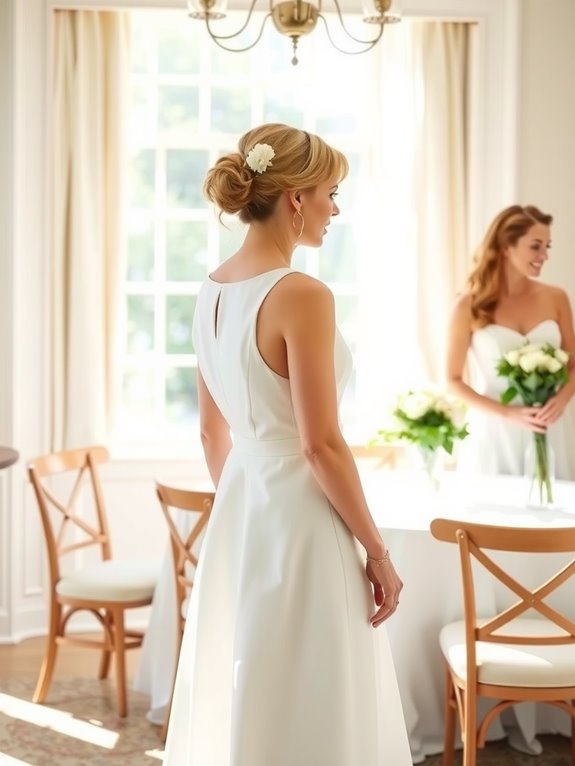
White can work at a wedding when you use layering and strategic color placement to avoid competing with the bride. A structured jacket or cardigan breaks up the solid white appearance by adding visual interest and depth to your outfit.
Accessories serve as your strongest tool for redirecting attention while keeping your base neutral. A jewel-toned clutch, statement earrings in gold or silver, or a colorful scarf draws the eye without making white your dominant feature. These pieces cost between $25 and $150 depending on quality and designer, making them an accessible way to personalize your look.
Fabric choice matters more than most guests realize. Textured options like lace, jacquard, or subtle prints add dimension that prevents white from appearing flat or bridal. A white lace overlay or embroidered details on your white dress create visual complexity that keeps your appearance polished and intentional rather than accidentally wedding-gown-adjacent.
Accessorize With Bold Color
Wearing white to a bridal shower requires strategic accessory choices that redirect attention without competing with the bride. Bold color in your accessories accomplishes this balance effectively and intentionally.
A vibrant clutch, statement earrings, or striking shoes draw focus to specific pieces rather than your entire outfit. Electric blue pumps or a fuchsia handbag shift visual weight to accessories while keeping your white base understated. What happens when guests notice your intentional color choices instead of your overall appearance? The bride remains the focal point while you look fashion-forward.
Consider adding a contrasting jacket or belt in emerald or red to ground your white foundation strategically. This layering technique creates visual interest through deliberate color placement rather than pattern or texture. Pair these bold pieces with neutral makeup and nails, perhaps adding one bright accent like coral lipstick or jewel-toned nail polish.
The result demonstrates thoughtful accessorizing that respects the occasion while showcasing your fashion awareness. You’ll appear polished and appropriately dressed, proving that wearing white confidently means making deliberate choices about where color appears in your ensemble.
Layer With A Jacket
A jacket provides comprehensive coverage that reduces the prominence of white across your entire silhouette. Unlike bold accessories that redirect attention through specific color placement, this layering method neutralizes the formal associations white carries at weddings.
Consider these jacket options based on formality level and dress code:
Denim jackets work best for casual daytime weddings and immediately signal a relaxed approach to your outfit. They pair naturally with white sundresses or linen separates and cost between $40 and $150 depending on brand and quality.
Neutral-toned blazers in beige, taupe, or blush maintain sophistication while softening the overall look. A structured blazer in these shades suggests you’re supporting the bride rather than competing with her, and quality options range from $80 to $300 at mid-range retailers.
Structured cardigans add both coverage and formality, particularly for evening events or religious ceremonies where additional modesty matters. They layer smoothly over fitted white dresses without creating bulk.
How does your jacket break up the visual weight? It becomes your outfit’s focal point rather than the white dress itself. Your eye naturally lands on the jacket’s color, fabric, and details first, which redirects attention away from white’s formal implications.
The fit matters significantly here. A jacket that skims your frame without clinging preserves the dress’s elegance underneath while serving its practical purpose. Oversized silhouettes risk overwhelming delicate details like lace or embroidery on your white base layer.
Choose Textured, Patterned Fabrics
A white outfit stays appropriately in the background when you pair it with textured or patterned fabrics that add visual complexity. Lace, brocade, and knit rib create dimensional interest while avoiding the polished appearance typically associated with bridal wear. This strategy keeps you firmly in guest territory while preserving an elegant presentation.
| Fabric Type | Visual Effect | Best For | Impact Level | Bride-Appropriate |
|---|---|---|---|---|
| Lace | Delicate, layered | Overlays, sleeves | Medium | Yes |
| Brocade | Rich, structured | Skirts, vests | High | Yes |
| Knit Rib | Textured, casual | Tops, dresses | Medium | Yes |
| Embroidery | Detailed, ornate | Accents, panels | Medium-High | Yes |
| Patterned Print | Dynamic, colorful | Dresses, cardigans | High | Yes |
Consider how brocade vests or lace sleeves introduce visual weight that plain white alone cannot achieve. A patterned print cardigan worn over a white dress signals intentional styling rather than formal bridal attire. These fabric choices work because they redirect focus toward the garment’s construction and pattern rather than the color itself.
The fabric you select determines how guests perceive your outfit’s formality level. Textured knits read more casual and approachable, while embroidered panels suggest careful consideration without appearing overly ceremonial. What matters most is choosing fabrics available at mid-range retailers like J.Crew, Banana Republic, or department store brands where white pieces typically cost between $40 and $150.
Does Your Culture or Region Have Rules About White?
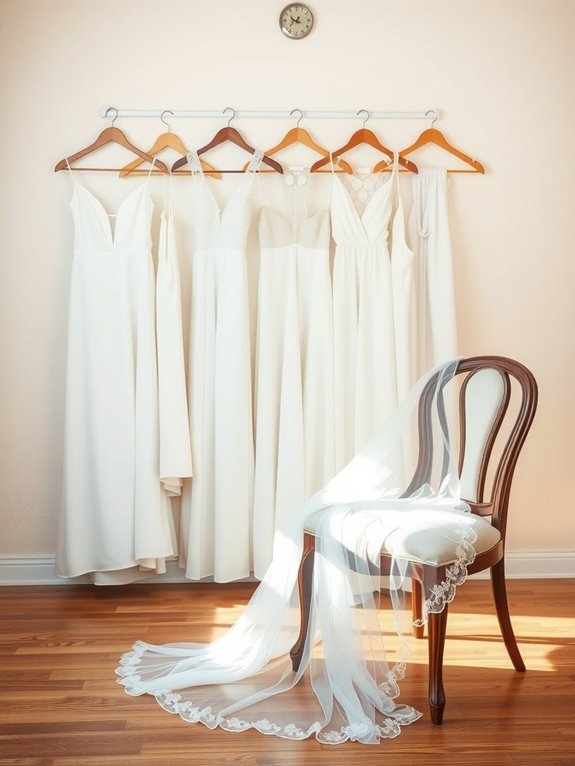
Bridal shower etiquette varies significantly based on your cultural background and geographic location, shaping what’s considered appropriate attire.
Your community’s traditions directly influence whether wearing white is acceptable at a bridal shower. Several regional and cultural factors deserve consideration:
Southern communities traditionally discourage white clothing to preserve the bride’s exclusive spotlight. This practice stems from long-standing wedding customs that view the bride as the event’s focal point.
Urban versus rural settings often operate under different etiquette standards. What passes as acceptable in a metropolitan area might feel too casual in a small town, where traditional dress codes carry more weight.
Cultural and religious backgrounds establish distinct rules about guest attire. Jewish traditions, Christian denominations, Hindu celebrations, and other faith-based customs each carry specific expectations around color and modesty that extend to pre-wedding events.
Modern regional attitudes toward white have shifted considerably. Some areas now embrace brides wearing white themselves at bridal showers, while others maintain strict traditional restrictions on guest attire.
Your invitation provides clues about local norms through its tone and stated dress code. A formal invitation with specific color guidance reflects stricter expectations, whereas casual wording suggests flexibility about what guests wear.
When ambiguity exists about appropriate attire, contacting the bride directly eliminates confusion. She can explain what aligns with her personal values and her community’s specific cultural practices, allowing you to dress with confidence and respect for the occasion.
Should You Ask the Bride Before Wearing White?
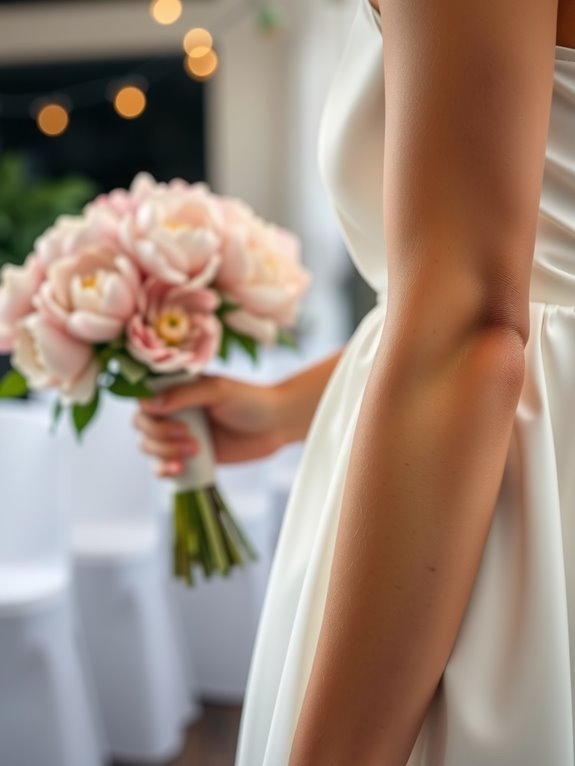
Should You Ask the Bride Before Wearing White?
The most practical approach involves asking your bride directly about her comfort level with white attire. Since each bride’s preferences vary based on personal style and event vision, a straightforward conversation eliminates uncertainty and prevents missteps. What does white mean in your specific wedding context—is it off-white, cream, ivory, or pure white, since these distinctions matter significantly to many brides?
Wedding etiquette consultant Jacqueline Whitmore notes that “clear communication before the event prevents awkward moments and shows genuine consideration for the bride’s vision.” This direct dialogue demonstrates respect for her decisions while allowing you to select an outfit that feels appropriate and comfortable. Rather than waiting until the week before, initiate this conversation during the invitation response phase when planning timelines allow for adjustments.
The conversation itself needn’t be complicated. Simply explain that you’re considering wearing a white or off-white garment and want her approval beforehand. Most brides appreciate this consideration, and many will welcome the chance to clarify their preferences rather than having guests make assumptions.
Direct Communication Matters
When uncertainty clouds your outfit choice, asking the host directly prevents missteps and keeps you aligned with her vision. Here’s why reaching out actually matters:
Confirms the dress code. You’ll know whether white fits her aesthetic or clashes with her plans, eliminating guesswork about color restrictions.
Builds your confidence. Guests who ask the bride report feeling reassured about their outfit choice, which means you’ll attend feeling secure rather than anxious.
Stops potential awkwardness. A quick check prevents showing up in white when she’s planned a specific color theme for the event.
Frame your question straightforwardly: “Would you be comfortable with guests wearing white, or do you prefer no white at all?” This direct approach takes mere seconds but delivers the clarity you need. The bride appreciates your consideration, demonstrating that you respect her vision for the celebration.
Direct communication works because it replaces guessing with facts. Rather than scrolling through photos trying to decode her color preferences, you get an actual answer from the person who matters most. She gets to share her expectations without worrying that guests will misread her plans. Both sides win when you simply ask.
Know Your Bride’s Preferences
Understanding what your specific bride wants eliminates confusion about guest attire choices. Every bride holds different expectations for her bridal shower, and white clothing presents a real risk without clarification from the source. A quick conversation prevents awkward photo moments where you might accidentally blend into the bride’s outfit or upstage her appearance.
Since asking takes minimal effort, reaching out demonstrates respect for her vision and planning. She’ll know you considered her preferences rather than making assumptions about the dress code or color restrictions.
| Approach | Benefit | Best For |
|---|---|---|
| Text the bride | Quick, casual feedback | Close relationships |
| Check invitation | Identifies stated preferences | Formal events |
| Ask the host | Gets insider perspective | Uncertain situations |
| Consult the theme | Aligns with overall vision | Themed showers |
The bride has spent weeks thinking through her shower details, from color palettes to venue décor. Why not leverage that knowledge by asking her directly about outfit concerns. This conversation takes thirty seconds via text message and shows you’re thinking about her experience rather than just showing up in whatever seems appropriate.
When to Skip White Altogether
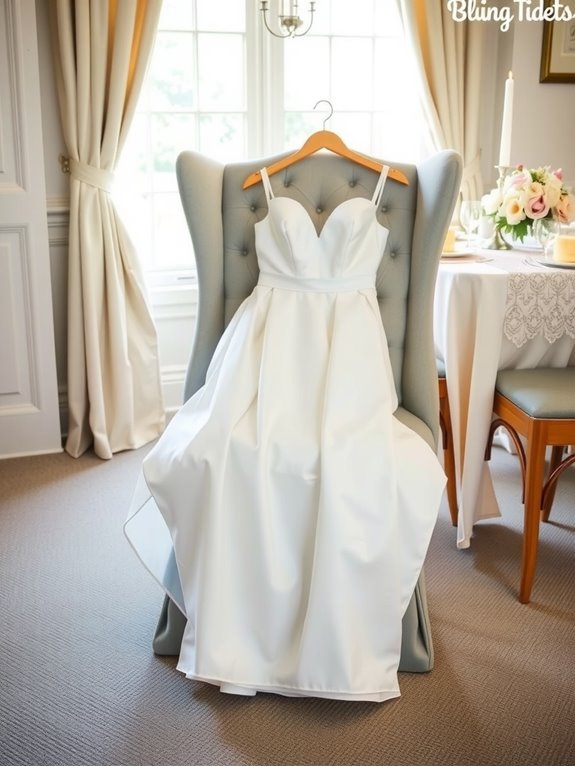
Why would you choose to skip white at a bridal shower? Wearing white to this event can create uncomfortable moments for both you and the bride. Consider whether these situations apply to your specific shower.
Traditional brides often wear white themselves. When a bride selects white for her shower appearance, your solid white outfit risks drawing attention away from her. This directly conflicts with the event’s purpose of celebrating the bride rather than competing for focus.
You’re uncertain about the bride’s preferences. If you haven’t asked directly about dress code expectations, skipping white sidesteps potential awkwardness. A quick text to the host asking about color guidelines takes two minutes and prevents missteps on your part.
The shower follows conservative or formal traditions. Formal celebrations typically benefit from guests wearing non-white clothing that supports rather than challenges the bride’s spotlight. Think jewel tones, pastels, or muted neutrals that complement without overshadowing.
The practical approach involves ditching solid white entirely unless the shower’s invitation specifically mentions a white or vintage bridal theme. You’ll feel more comfortable attending knowing your outfit choice respects the occasion’s focus while aligning with other thoughtful guest selections.
Best Non-White Colors for Bridal Shower Guests
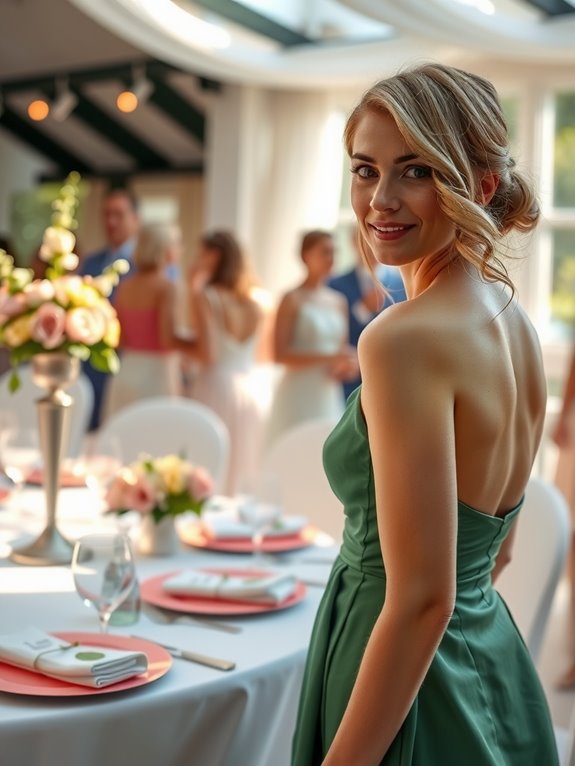
Once you’ve decided to skip solid white, what colors actually work best for a bridal shower?
Spring and summer showers call for light, pastel, or floral hues. Blush, lavender, sage, and sky blue work well because they feel celebratory without pulling attention from the bride. These daytime-appropriate choices convey freshness through soft color palettes rather than bold statements.
Black offers a chic alternative when paired with color accents or embroidery. The approach requires intentional accessorizing—statement belts, colorful earrings, or a bright cardigan create visual interest while keeping your outfit from feeling too formal. Consider how a black sheath dress with gold jewelry and a coral shawl reads as sophisticated rather than somber.
Retailers like Reformation, ASTR the Label, and Petal & Pup carry tea-party-inspired pieces that work within these color guidelines. Their dresses typically range from $80 to $300, offering playful options with built-in pattern or texture that reduces your accessorizing burden. Simple dresses become complete outfits through thoughtful jewelry selections and layering pieces rather than relying solely on the dress itself.
White Outfit Ideas That Work for Showers
If you’re determined to wear white to a bridal shower, several styling strategies can help you navigate this traditionally sensitive choice. The goal is maintaining a polished appearance while ensuring the bride remains the focus of attention.
Denim jackets create immediate visual distinction. Pairing a white dress or top with denim instantly reduces formality and introduces textural contrast that shifts the overall aesthetic away from bridal wear. This combination works particularly well at casual or daytime showers where relaxed styling is already expected.
Textured fabrics signal intentionality. Lace overlays, embroidered details, or jacquard patterns transform plain white into something distinctly shower-appropriate rather than wedding-ready. These design elements demonstrate you’ve thoughtfully selected an outfit rather than defaulting to bridal styling.
Soft color layering softens the impact. Incorporating cream, champagne, blush, or pale gray accessories breaks up solid white and creates a more nuanced color story. A cardigan, shawl, or structured blazer in these tones provides both practical layering and visual complexity that distances your look from traditional bridal aesthetics.
The distinction between appropriate and inappropriate white depends largely on context and execution. What reads as respectful in one setting might feel presumptuous in another. Before finalizing your outfit choice, contact the bride directly and ask about her specific preferences and the shower’s anticipated dress code or theme. Most brides appreciate this consideration and can provide clear guidance tailored to their vision for the event.
Accessories That Keep a White Outfit Balanced
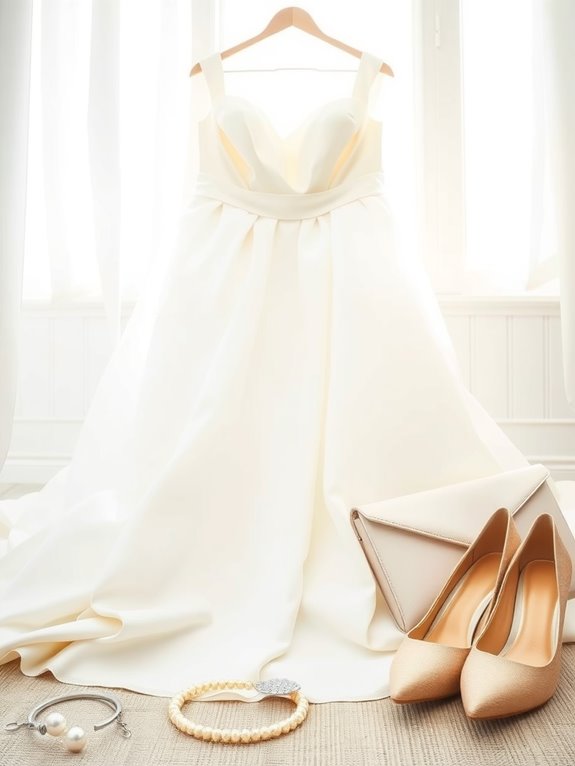
The way you accessorize a white outfit determines whether guests read it as appropriately understated or accidentally bridal. Strategic accessory choices signal thoughtfulness rather than competition for attention at a bridal shower.
Neutral footwear in nude or taupe paired with delicate jewelry creates balanced, understated elegance that grounds your overall appearance. A statement belt or sash in contrasting colors like brown, tan, or deep burgundy breaks up white’s visual monotony while adding dimension without overwhelming the look. These pieces work by drawing the eye downward and creating natural visual breaks across your silhouette.
Metallic and pearl accents like delicate earrings or a subtle bracelet add polish while maintaining restraint. Soft-contrast outerwear such as a pastel cardigan in blush or cream blazer in ivory preserves visual cohesion while layering in additional texture and depth. Consider how each accessory layer relates to the others rather than treating them as separate choices.
The interaction between these pieces matters more than any single item. When you pair a taupe heel with a cream blazer and gold earrings, the warm undertones create harmony throughout your outfit. This intentional layering signals you’ve considered how every element communicates together, positioning you as a considerate guest rather than someone vying for the spotlight.
Black, Navy, and Jewel Tones: Equally Chic Alternatives
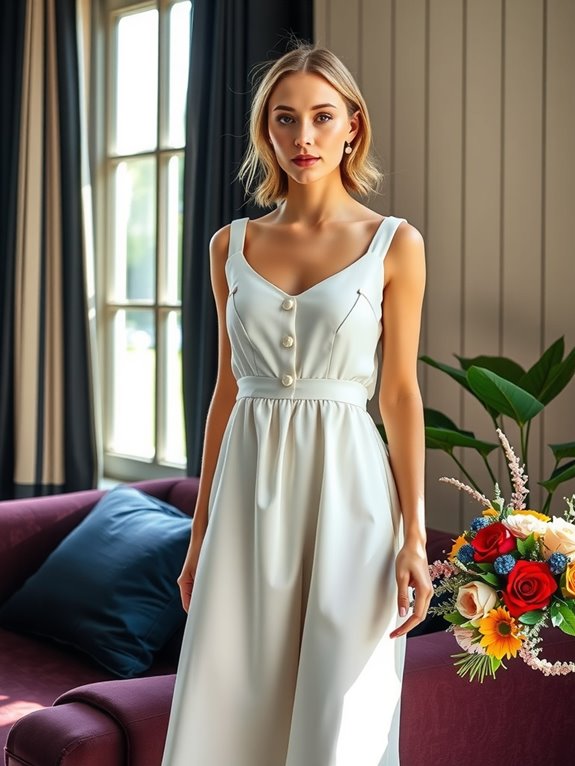
Why settle for white when darker, more dynamic colors offer sophisticated elegance that photographs better at bridal showers?
Black, navy, and jewel tones create polished alternatives that won’t compete with the bride’s appearance. Consider these options based on your venue and the invitation’s formality level.
Black and Navy with Lighter Accents
Black and navy paired with light accessories or delicate embroidery keep your outfit festive and daytime-appropriate. These combinations read as celebratory rather than formal wedding attire. A navy midi dress with cream-colored pumps and gold jewelry costs between $80 and $200 from retailers like Target or Banana Republic, while Ralph Lauren pieces in this category range from $300 to $600.
Jewel Tones for Vibrant Impact
Emerald, sapphire, and ruby colors photograph exceptionally well in natural light while conveying joy and celebration. These jewel tones work across seasons when paired appropriately—silk for summer events, heavier fabrics for fall and winter occasions. Budget $100 to $400 for quality pieces from mid-range brands like Revolve or J.Crew.
Strategic Styling Approach
Balancing structured pieces with playful accessories creates a polished yet approachable look. A fitted jewel-tone blazer with tailored trousers and metallic heels achieves this balance effectively. Consider the specific venue cues—outdoor garden showers allow bolder color choices, while indoor brunches benefit from slightly more muted tones.
Final Decision: Making the Call on Your Outfit
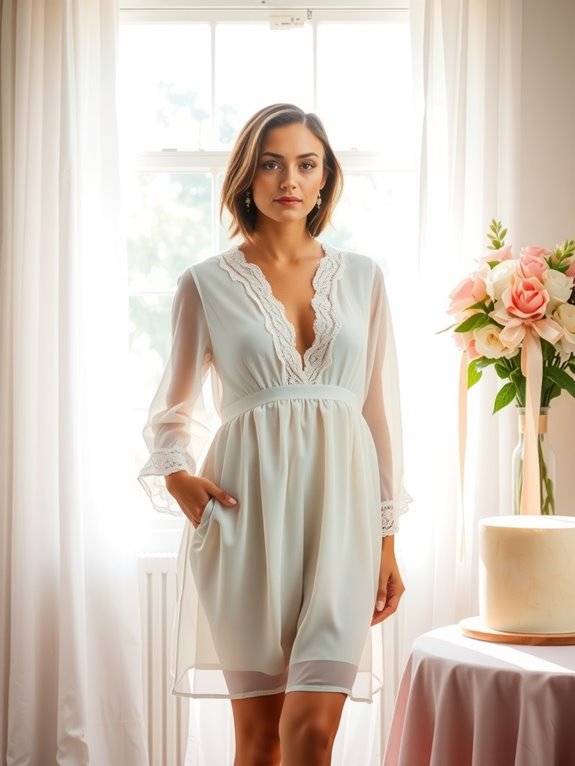
You’ve weighed sophisticated alternatives—black, navy, and jewel tones all provide polished options that respect the bride while maintaining your personal style. The decision about wearing white to the bridal shower now rests with you.
| Decision Factor | Your Action | Outcome |
|---|---|---|
| Check the invitation | Review theme or dress code clues | Alignment with bride’s vision |
| Ask the bride | Simple text message inquiry | Peace of mind and approval |
| Consider the venue | Assess daytime appropriateness | Polished, contextual appearance |
What works best depends on the specific celebration and your comfort level. If you choose white, pair it with darker accessories or a structured jacket to avoid competing with the bride’s prominence. Otherwise, those neutral alternatives keep you looking professional and considerate.
Your decision should reflect what feels appropriate for this particular event and social group. Wedding etiquette suggests that when in doubt, a direct conversation with the bride takes about five minutes and eliminates any lingering concerns. Consider the guest list size too—smaller, intimate showers often have more relaxed dress codes than larger afternoon celebrations.
The venue itself offers practical guidance. A brunch setting typically accommodates lighter colors better than an evening garden party. Daytime events generally allow for brighter or whiter tones than formal evening affairs.
What matters most is that you feel comfortable and confident while celebrating someone important to you.