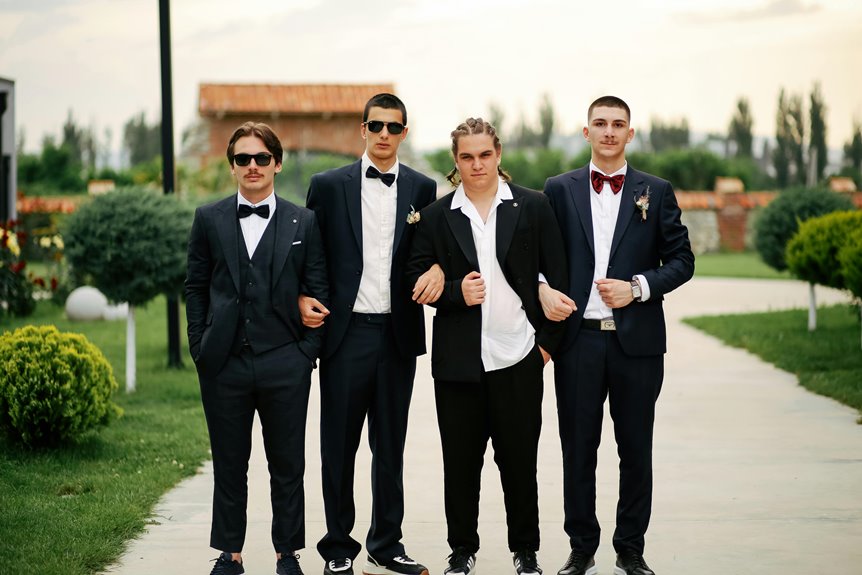
Semi-formal wedding attire sits comfortably between casual and black-tie formality. You’ll maintain polish and respect without the strict jacket requirements of cocktail dress codes. Structured pieces like tailored blazers and knee-length dresses work well for this dress code level.
Time of day determines your specific approach to semi-formal wear. Daytime weddings call for lighter, breathable fabrics like linen and cotton blends in soft pastels or neutral tones. Evening events require richer textures such as silk, velvet, or crepe paired with deeper jewel tones like emerald, sapphire, or burgundy.
Color selection matters more than many guests realize. Avoid white, cream, and off-white shades entirely to prevent visual competition with the bride’s gown. Your shoe choice, fabric weight, and overall color palette should signal intentional outfit planning rather than last-minute decisions. Consider how these elements work together as a complete look rather than selecting pieces independently.
What Is Semi-Formal Attire?
What Is Semi-Formal Attire?
Ever wondered where the boundary falls between casual clothing and black-tie formality? Semi-formal attire occupies that middle ground—a polished dress code that demonstrates respect for the occasion while allowing personal expression.
Semi-formal attire occupies the middle ground between casual and black-tie, demonstrating respect while allowing personal expression.
Semi-formal represents a step above cocktail dress but remains more relaxed than black-tie requirements. Wedding guests typically interpret this as choosing garments in quality materials such as silk, chiffon, and satin that convey intentionality without excessive ornamentation.
The specific approach depends heavily on two factors: event timing and venue location. Daytime weddings call for lighter color palettes and breathable textiles that suit natural lighting, while evening celebrations work better with deeper tones and richer fabrics. Men traditionally wear dark tailored suits or blazers paired with dress pants, whereas women might select knee-length dresses, floor-length gowns, or dressy jumpsuits depending on the formality level indicated by the invitation.
Weather and regional customs also influence your choices. A summer garden wedding in the South may feel appropriate with lighter fabrics and pastels, while a winter evening reception in an urban ballroom typically calls for darker, more structured pieces. Understanding these contextual elements helps you strike the right balance between celebration and respect for the event’s significance.
Semi-Formal vs. Cocktail: What’s Actually Different?
Semi-formal and cocktail attire occupy different spots on the formality spectrum, even though both require polished clothing. Think of semi-formal as the more relaxed option between the two dress codes. Semi-formal allows you to skip jacket requirements and matching suit obligations that cocktail demands. Cocktail attire, by contrast, leans toward greater polish and works best for evening events rather than daytime occasions.
Fabric selection plays a significant role in distinguishing between these two dress codes. For daytime semi-formal events, lighter materials like chiffon or silk feel appropriate and seasonally suitable. Evening semi-formal calls for richer textures such as satin paired with deeper color palettes. Women typically choose knee-length dresses, dressy jumpsuits, or separates like silk skirts with luxe tops. Men can wear dress shirts either with or without ties, depending on the specific event details.
Cocktail attire requires more precision in its execution than semi-formal does. The dress code signals that an evening celebration calls for higher-polish clothing choices and more intentional styling. Semi-formal provides breathing room for personal interpretation while still maintaining a respectful level of formality. The difference comes down to how much structural polish the occasion demands from you.
Why Time of Day and Venue Matter
Why Time of Day and Venue Matter
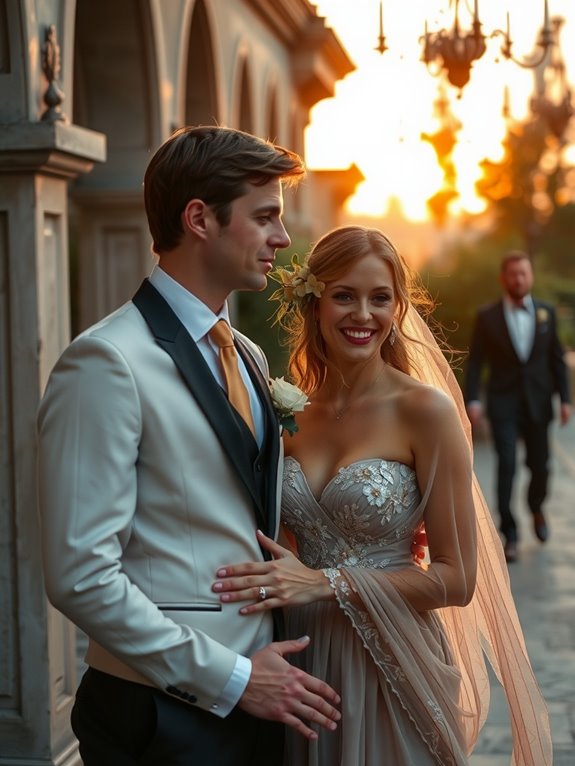
What you wear to a semi-formal wedding depends heavily on when and where the celebration takes place. Your venue and time of day fundamentally shape your semi-formal attire choices, influencing everything from fabric weight to color palette.
Daytime Weddings
Daytime celebrations typically call for lighter suits and breathable fabrics that work well in natural sunlight. Softer colors like cream, light gray, and pastels complement morning and afternoon settings without appearing washed out. Linen blazers work particularly well for garden or outdoor daytime weddings, where you’ll benefit from their breathability. Cotton blends also perform admirably in warm conditions while maintaining a polished appearance.
Lighter suits and breathable fabrics in cream, light gray, and pastels work best for daytime wedding celebrations in natural sunlight.
Evening Weddings
Evening events demand darker suits, richer textures, and more tailored silhouettes that photograph well under artificial lighting. Navy, charcoal, and black suits convey the sophistication that evening celebrations typically expect. Structured fabrics like wool hold their shape better throughout dancing and mingling than lighter options.
Venue Considerations
Outdoor and destination venues require open-weave linens for effective heat management and practical comfort throughout the day. Cooler climates benefit from velvet or wool that provides warmth without sacrificing a polished appearance. An evening ballroom celebration demands structured fabrics that maintain crisp lines, whereas a daytime garden wedding suits the relaxed drape of linen.
The goal is balancing practicality with elegance so you can move and dance comfortably throughout the celebration.
Best Fabrics and Colors for Semi-Formal Weddings
Matching your fabric choices to the season and time of day keeps you comfortable while looking polished at a semi-formal wedding. Spring and summer weddings work well with breathable materials like linen and cotton blends, which help regulate body temperature in warm conditions. Fall and winter events call for heavier fabrics such as wool or cashmere that provide insulation and drape elegantly. Your color selection should reflect the season’s natural palette—pastels and lighter shades suit warm months, while jewel tones like emerald, sapphire, and burgundy complement cooler seasons. What colors appear in the wedding’s invitation or venue décor? Those details often signal the bride’s preferred aesthetic. Avoid white, cream, or any shade that could compete with the bride’s dress, since the focus should remain on her. A navy blazer paired with cream trousers works for spring, whereas a charcoal wool suit with a deep plum tie suits winter occasions.
Seasonal Fabric Selection Guide
The fabric and color choices you make form the foundation of your semi-formal wedding appearance. Your selections directly impact both comfort and visual polish throughout the event.
Spring and Summer Selections
Lightweight materials like linen and cotton blends work well during warmer months because they allow air circulation while maintaining a refined look. Pastel shades and soft neutrals align naturally with warm-weather celebrations. Consider linen blends at price points ranging from $40 to $80 per yard for quality options that won’t wrinkle excessively.
Fall and Winter Selections
Cooler seasons call for luxurious textures including wool, cashmere, and velvet blends that provide visual richness and warmth. Jewel tones such as navy, emerald, and burgundy suit festive occasions during these months. Premium wool suiting typically costs between $60 and $150 per yard depending on fiber content and brand reputation.
Time-of-Day Considerations
Daytime events benefit from lighter tones and breathable fabrics suited to natural light and outdoor settings. Evening affairs allow for deeper hues and heavier textures that create stronger visual presence under artificial lighting. Should you attend an outdoor afternoon ceremony followed by an evening reception, consider a layered approach with removable pieces or transition fabrics.
The relationship between season, time of day, and fabric selection demonstrates intentional planning that respects both the occasion and weather conditions.
Color Palettes By Season
Selecting the right colors for your semi-formal wedding attire requires understanding how seasonal environments influence what actually works. Your season dictates both your color choices and the fabrics that will complement them effectively.
Spring and summer weddings call for lighter, more cheerful hues like blush pink, lavender, and mint. These colors pair naturally with breathable fabrics such as linen and chiffon, which regulate body temperature while maintaining a polished appearance. The combination keeps you comfortable in warm weather without sacrificing sophistication.
Fall and winter occasions demand a different approach. Warmer, deeper tones—rust, burgundy, and jewel-toned emeralds—work better with luxurious textures like velvet and wool. These heavier fabrics add visual depth and create a more substantial look appropriate for cooler months.
Why does this matter beyond aesthetics? When your color palette aligns with the natural environment surrounding the venue, you automatically blend with the wedding’s overall design. A guest wearing mint chiffon at an autumn ceremony with burnt orange and deep gold décor creates visual discord, while that same person in burgundy velvet would harmonize with the space.
Thinking seasonally about your semi-formal outfit means your clothing complements rather than competes with the setting, resulting in photographs that look intentional and coordinated.
What Women Should Wear: Dresses, Silhouettes, and Lengths
When selecting a semi-formal wedding outfit, focus on three key elements: dress length, silhouette style, and fabric quality. Your choice of knee-length, midi, or tea-length hemlines works best with classic silhouettes like A-line, sheath, fit-and-flare, or wrap styles that balance polish with wearability.
What fabric weight and texture matter most for your specific wedding venue? Silk, chiffon, satin, lace, and crepe each drape differently depending on body type and climate. A chiffon dress works particularly well for outdoor summer weddings because it moves freely and won’t trap heat, while satin provides structure for formal evening affairs. Pairing these materials with seasonal color choices—pastels for spring, deeper jewel tones for fall—helps you blend in rather than compete with the bride’s visual prominence.
The silhouette you choose should genuinely flatter your frame without requiring alterations that exceed $100 to $200. An A-line dress accommodates various body types by skimming rather than clinging, whereas a sheath silhouette demands confidence in your fit and usually requires professional tailoring. Fit-and-flare dresses offer compromise by defining the waist while allowing hip room, costing roughly $80 to $300 depending on fabric quality and retailer.
Dress Length Options Matter
Getting the dress length right shapes how your semi-formal wedding outfit reads to others. The hemline you choose sets expectations for formality and creates the visual foundation for your entire look.
Knee-Length Dresses
Knee-length options deliver a polished, approachable feel particularly suited to daytime weddings. This length works well for outdoor garden ceremonies or afternoon receptions where the sunlight and informal venue call for something less formal than evening wear. The hemline hits at a natural stopping point that looks intentional rather than accidental.
Midi and Tea-Length Options
Midi dresses—typically falling between knee and ankle—provide sophisticated coverage while maintaining comfort. Tea-length styles, which hit mid-calf, introduce vintage elements and refined femininity without veering into formal territory. Both lengths adapt well to various venues and times of day, making them flexible choices for semi-formal settings.
Why Floor-Length Doesn’t Work Here
Full-length gowns belong at formal black-tie events, not semi-formal celebrations. The extra fabric and ceremony attached to floor-length dresses signals a higher formality level than the occasion calls for. Your guests dress according to the event level, and floor-length styling would appear overdressed.
Silhouette Considerations
A-line, sheath, and fit-and-flare dresses all work beautifully within these length parameters. Daytime outdoor settings pair naturally with knee-length or midi options, while evening events allow you to push slightly longer. Avoid hemlines that fall significantly above the knee, which reads too casual, and steer clear of full-length gowns that exceed semi-formal standards entirely.
Silhouette Styles and Choices
The silhouette you select carries equal weight as your hemline when attending a semi-formal wedding. A-line, sheath, and fit-and-flare styles each offer distinct advantages depending on your body type and comfort level.
An A-line silhouette skims your body before flaring gently at the hips, making it flattering across most body shapes. This style works particularly well for pear-shaped figures and those seeking a balanced, modest appearance. Sheath dresses provide a sleek, streamlined look that hugs your curves without excess fabric, appealing to those confident in form-fitting designs. The fit-and-flare silhouette pairs a fitted bodice with a full skirt, delivering feminine sophistication while offering movement and coverage.
Length matters less than how the silhouette itself complements your frame. Whether you choose knee-length or midi hemlines, these three silhouettes adapt well across various body shapes and preferences. The real consideration involves selecting a style that feels comfortable and appropriate for the wedding’s formality level rather than chasing trends.
Fabric and Color Selection
Your fabric and color choices communicate respect for the couple while determining whether you blend appropriately or stand apart from the celebration. These decisions matter more than many guests realize when attending a wedding.
Fabric Options by Event Timing
Daytime weddings benefit from lightweight, breathable materials that move gracefully without excess weight. Chiffon and silk create flowing silhouettes ideal for garden ceremonies or afternoon receptions, typically priced between $15-30 per yard at fabric retailers. Evening celebrations call for heavier, more structured fabrics that photograph well under indoor lighting. Satin and crepe offer sophisticated drape and depth, ranging from $18-35 per yard depending on fiber content and quality.
Lace works across both timing scenarios, adding romantic texture particularly suited to semi-formal gatherings. When choosing lace, verify the backing fabric underneath—a quality crepe or silk base ensures the piece drapes properly rather than standing stiffly against your body.
Color Strategy and Wedding Palette Coordination
Avoid white, ivory, cream, and pale champagne entirely, as these colors risk visually competing with the bride’s dress. Instead, select hues that complement your host’s chosen wedding palette, which most couples finalize 6-9 months before their date.
Seasonal considerations guide your selections naturally: soft pastels work well for spring and summer events, while deeper jewel tones suit fall and winter celebrations. If the wedding’s color scheme isn’t provided, contacting the couple or checking their wedding website typically reveals this information within 2-3 weeks of the event.
Semi-Formal Jumpsuits and Separates for Women
Looking to skip the traditional dress at your next wedding? Semi-formal jumpsuits provide a chic, contemporary alternative that balances sophistication with comfort. These tailored pieces use luxurious crepe or satin fabrics with polished details such as cinched waists and flowing wide-leg silhouettes that naturally draw attention.
The styling approach matters considerably when wearing a jumpsuit to a wedding. Pairing your piece with polished heels and refined jewelry creates visual polish, while ankle-strap sandals maintain elegant proportions if you prefer that option. Brands like Adrianna Papell focus specifically on semi-formal jumpsuits designed for special events, with prices typically ranging from $120 to $300 depending on fabric quality and embellishment level.
Women’s separates present another viable path forward, offering flexibility without sacrificing sophistication. The critical distinction between casual and semi-formal separates comes down to material selection. A coordinated silk blouse paired with tailored trousers reads differently than cotton basics, even when cut identically.
What separates quality semi-formal pieces from everyday wear? Attention to construction details: reinforced seams, lined fabrics, and structured fits that maintain their shape throughout an event. When shopping for jumpsuits or separates, examine the weight of the fabric and check whether internal structure exists at the waistline or bust.
Consider your wedding’s specific dress code and venue type before selecting your jumpsuit style. An outdoor garden wedding allows for slightly softer silhouettes, whereas black-tie events demand more structured tailoring and darker color palettes.
What Men Should Wear: Suits, Shirts, and Ties
While women have expanded their semi-formal options considerably, men’s semi-formal wear rests on a foundation of tailored basics that work across most wedding contexts. The essential pieces you’ll need include suits and blazers in navy, charcoal, or black paired with matching dress pants, dress shirts in white or light tones that coordinate with your jacket, and silk ties for evening events (optional for daytime celebrations). Polished oxfords, derbies, or loafers complete the look with appropriate formality.
Modern semi-formal styling incorporates slim-fit cuts and textured fabrics like herringbone or subtle patterns such as pinstripes and windowpane designs. Rather than competing elements, your pocket square and tie should complement your overall aesthetic. The key is layering your blazer and dress pants strategically while maintaining visual cohesion throughout your outfit.
Consider this: does your footwear communicate respect for the occasion? Polished shoes signal that you’ve invested thought into your appearance, which matters for wedding photography and reception interactions. Keep accessories intentional and restrained. A well-fitted suit in a classic color works across multiple weddings and formal events, making it a practical investment in your professional wardrobe. Most quality suits in these neutral tones range from $300 to $800 depending on fabric quality and tailoring options.
Shoes for Semi-Formal Weddings: Women and Men
When selecting shoes for a semi-formal wedding, the balance between comfort and polished appearance matters significantly. Your footwear should reflect the dress code while allowing you to stand, walk, and dance without distraction throughout the event.
Women’s Shoe Options
Women have several refined choices that work well with semi-formal attire. Elegant pumps in neutral tones like black, nude, or metallic finishes pair easily with most dresses and typically range from $60 to $150 at mainstream retailers. Wedges offer a practical alternative that provides height and stability, particularly useful if the reception includes outdoor elements or uneven surfaces. Strappy sandals work best during warmer months and coordinate nicely with lighter fabrics and pastel colors. Refined flats represent a comfortable option that doesn’t sacrifice elegance, especially when crafted from quality leather or satin materials.
Consider the dress length and neckline when choosing your shoe style. A floor-length gown pairs well with closed-toe pumps, while a knee-length dress accommodates sandals or open-toed options. The shoe color should complement your outfit’s palette rather than match it exactly—a shoe shade that echoes an accent color in your dress often creates visual interest.
Men’s Shoe Options
Men should select from structured leather shoes that convey professionalism and taste. Polished oxfords remain the traditional choice, with quality pairs available from $80 to $200 depending on material and brand. Loafers offer a slightly less formal alternative while maintaining sophistication, and derbies provide another structured option with a bit more visual weight. Some men choose dressy leather sneakers in solid colors, though these work better at younger-skewing celebrations or outdoor venues.
Shoe condition matters as much as style. Ensure your leather shoes are polished, heels are intact, and soles show minimal wear. Dark brown, black, or burgundy leather suits most semi-formal settings better than lighter shades.
Women’s Elegant Footwear Options
Your semi-formal wedding footwear choice matters because shoes set the visual foundation for your complete look. Starting from the ground up means selecting women’s dress shoes that blend elegance with the practical demands of standing and dancing for several hours.
Pumps remain the classic choice for semi-formal events, offering a polished aesthetic that works with most dress styles and venues. A quality pair typically ranges from $80 to $200, depending on materials and brand. They instantly convey sophistication, though comfort depends heavily on heel height and arch support.
Wedges provide a practical alternative if your wedding takes place outdoors on grass or uneven terrain. The wider base distributes your weight differently than traditional heels, reducing the risk of sinking into soft ground. Prices generally fall between $70 and $180.
Strappy sandals suit indoor celebrations and warmer climates, offering a refined feminine appearance without the formality of closed-toe styles. This option works particularly well for spring and summer weddings.
Elegant flats deliver comfort without sacrificing polish, appealing to guests who prefer not to wear heels. Ballet flats, dressy loafers, or embellished slip-ons maintain semi-formal standards at $60 to $150.
Break in your chosen shoes at least two weeks before the event through short wearing periods around your home. This timeline allows your feet to adjust while identifying any pressure points or rubbing issues that need addressing. Pairing your footwear with delicate jewelry and a coordinating clutch creates visual harmony, with your shoes supporting rather than competing with your dress for attention.
Men’s Polished Shoe Choices
How do your shoes match the formality level of your suit at a semi-formal wedding? Your footwear deserves the same attention you give your jacket and tie.
Polished dress shoes convey respect through their condition and style. Oxfords, derbies, brogues, and monk straps each communicate different levels of refinement while staying appropriate for formal celebrations.
| Shoe Style | Best For |
|---|---|
| Oxfords | Classic, formal occasions |
| Derbies | Slightly relaxed formality |
| Brogues | Textured elegance |
| Monk Straps | Modern sophistication |
Daytime weddings offer more flexibility—loafers work as a relaxed alternative when the invitation suggests less formal dress codes. What matters most is the condition of your shoes regardless of style choice.
Wearing brand-new shoes to a wedding invites discomfort during the ceremony and reception dancing. Break them in over several weeks beforehand, giving the leather time to soften and mold to your feet. A few test wearings around your home or office prevents blisters when you need to stand and move for hours.
Your shoe’s appearance reflects the respect you hold for the occasion itself. Well-shined leather without excessive wear demonstrates genuine regard for the celebration. Polish your shoes the evening before the event, allowing the shine to set properly overnight rather than rushing a quick buff an hour before leaving home.
Semi-Formal Jewelry and Accessories: Less Is More
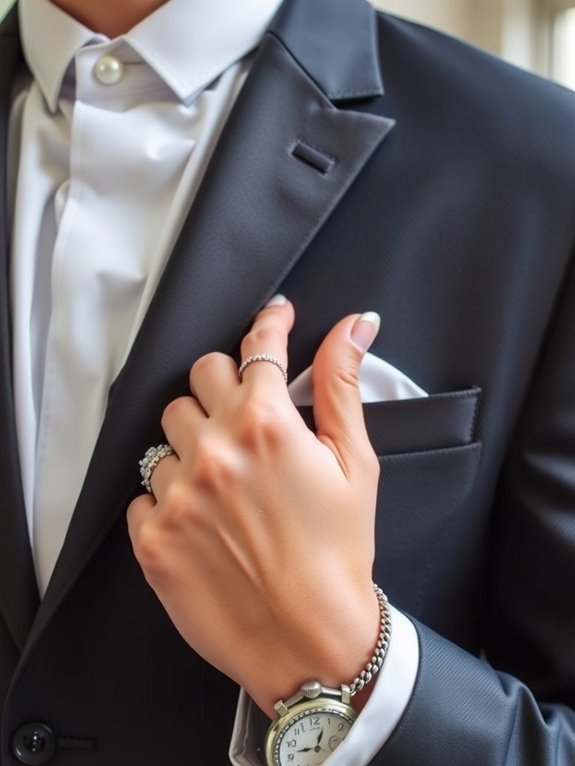
Selecting jewelry and accessories for a semi-formal wedding means choosing pieces that support your outfit rather than compete with it. The approach centers on restraint and intentional selection.
Start by choosing one focal piece—either bold earrings or a striking bracelet—that anchors your look. If you select statement earrings, pair them with a simple necklace or skip the necklace entirely. A bold bracelet works well with delicate earrings instead. This strategy prevents visual clutter while maintaining sophistication.
Metallic finishes in your clutch and smaller accessories should coordinate with your focal piece. When mixing metals, select one primary finish—gold, silver, or rose gold—and keep secondary pieces in the same family. A clutch with metallic hardware in your chosen metal pulls the look together without adding unnecessary bulk. Quality semi-formal clutches range from $40 to $150 depending on materials and craftsmanship.
Your footwear should balance style with function since semi-formal events often include dancing. Dressy flats, modest heels, or embellished sandals work well across venues. Shoes priced between $60 and $200 typically offer both comfort and appropriate formality.
Semi-formal jewelry choices demonstrate understanding of dress codes and respect for the event’s formality level. How do your accessories feel when you move and dance comfortably throughout the evening? That comfort matters more than owning every piece that catches your eye.
5 Semi-Formal Mistakes to Avoid
Understanding the balance required for semi-formal wedding attire separates guests who look prepared from those who miss the mark. The dress code sits between casual and black-tie, requiring knowledge of what crosses the line in either direction.
Overdressing with ballgowns or formal tails signals a fundamental misreading of the occasion. These pieces belong at black-tie events, not semi-formal celebrations. Underdressing with jeans and sneakers sends the opposite message—that you haven’t bothered to invest effort into appropriate clothing. Semi-formal asks for structured garments: cocktail dresses, dressy separates, or suits with ties for most guests.
White and cream-colored fabrics present a specific problem at weddings. Wearing these shades risks visually competing with the bride, which violates a long-standing wedding etiquette rule. This applies regardless of your relationship to the couple or your role in the celebration.
Matching the bridal party’s exact color palette creates confusion about your role. When guests wear the same hue as bridesmaids or groomsmen, they blur the visual distinction between the wedding party and regular attendees. Choose alternative colors like navy, lavender, or champagne that feel dressy without duplicating the chosen palette.
Footwear comfort matters more than most guests realize. Brand-new shoes that haven’t been broken in will cause blistering during hours of standing, walking, and dancing. Wear shoes you’ve tested beforehand to avoid spending the evening in discomfort.
Venue type and timing determine your fabric choices. Evening events call for darker, richer materials that photograph well under artificial lighting, while daytime celebrations allow lighter tones that suit natural sunlight. Understanding these environmental factors helps you make decisions that look appropriate within the specific context.
Seasonal Fabrics: Adapting Your Look Year-Round
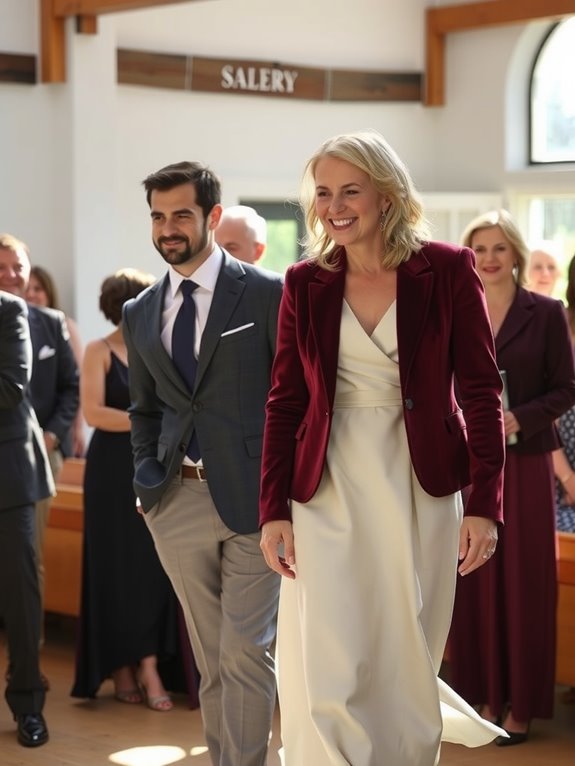
When does a semi-formal outfit stop working for the season you’re attending? Your wedding attire’s fabric matters tremendously throughout the year because different materials respond differently to temperature and humidity levels. You’ll want to shift your seasonal fabrics strategically to maintain both comfort and style across various climates.
Spring-Summer Selections
Choose breathable fabrics like linen and cotton that keep you cool at daytime weddings while maintaining polish. Linen wrinkles naturally, which actually works in spring and summer’s favor—the relaxed texture feels appropriate for warm-weather celebrations. Cotton blends offer similar breathability at price points ranging from $80 to $200 for quality dress shirts. Light pastels and soft neutrals work best during these months because they reflect heat and complement the season’s aesthetic.
Fall-Winter Approaches
Switch to wool and cashmere for warmth, pairing them with deeper color palettes of navy and maroon. Wool suits typically cost between $300 and $800 depending on quality, while cashmere accessories run $60 to $250. These fabrics trap body heat effectively while maintaining the structured appearance semi-formal events require. Rich jewel tones and earth tones photograph better under indoor lighting common at fall and winter celebrations.
Climate-Specific Adjustments
What about weddings in tropical or extremely cold destinations? Open-weave cotton breathes beautifully in humidity without sacrificing sophistication at destination events in Hawaii or the Caribbean. For winter destinations, layer with silk thermals and vests beneath your semi-formal suit—silk adds genuine warmth while remaining lightweight enough for layering under jackets.
Daytime Semi-Formal: Lighter Fabrics and Colors
Brightness fundamentally changes how wedding attire reads compared to evening events. Natural sunlight demands lighter fabrics and pastel colors that work with the sun rather than against it. Linen and seersucker excel in daytime settings because they breathe well while maintaining a polished appearance.
Light-colored suits paired with soft-hued dresses create the foundation of daytime semi-formal style. Why reach for heavy silhouettes when breathable options keep you comfortable and camera-ready throughout the day? Your accessories should stay subtle—delicate jewelry and coordinating clutches complement rather than compete with your lighter palette.
Footwear requires practical consideration at daytime events. You’ll spend hours standing for the ceremony and moving through the reception, so select shoes that provide genuine support without sacrificing elegance. Loafers, ballet flats, and structured sandals offer both comfort and polish.
The distinction between daytime and evening semi-formal lies in fabric weight and color saturation. Heavier materials designed to absorb evening light will appear oversized and uncomfortable under midday sun. Pastel shades and cream tones, which might fade under artificial lighting, gain vibrancy in natural light and photograph more clearly in daytime photos.
Evening Semi-Formal: Richer Textures and Tones
As daylight fades, your clothing choices should shift toward weightier fabrics and deeper color palettes. Evening semi-formal attire relies on substantial materials and darker hues that interact better with artificial lighting and candlelight than lighter daytime options.
Fabric and Color Selections
Velvet, wool, and cashmere communicate sophistication through their tactile quality and light-absorbing properties. Navy, charcoal, and burgundy form the foundation of evening semi-formal wardrobes because they photograph well in dim settings and pair easily with metallic accents. Herringbone detailing on tailored suits adds visual interest without appearing casual or overly patterned.
Specific Garment Options
Men typically wear dark tailored suits or blazers paired with crisp white dress shirts and silk ties, which provide necessary contrast in formal evening settings. Women might select silk, satin, or lace dresses in knee-length to midi silhouettes—these lengths accommodate both seated dining and dancing without requiring constant adjustment. Subtle metallic threading or beading catches light without dominating the overall appearance.
Accessories and Finishing Details
Polished leather shoes in black or dark brown ground the outfit professionally. Delicate jewelry in silver, gold, or pearl complements evening fabrics without competing with the garment’s inherent texture. The combination of substantial fabrics, refined accessories, and darker tones creates the visual weight evening celebrations require without appearing overly formal or costume-like.
Your Pre-Wedding Semi-Formal Checklist
Pre-Wedding Semi-Formal Checklist
Understand Your Dress Code Requirements
Before shopping or pulling pieces from your closet, confirm the specific dress code and venue details with the couple or wedding website. Daytime and evening weddings call for different approaches to fabric weight, color intensity, and accessory formality. A 2:00 PM garden wedding in June requires different choices than an 7:00 PM ballroom celebration in December.
Select Fabrics Based on Event Timing
Daytime events benefit from breathable, lighter materials like cotton blends, linen, and chambray that reflect heat and suit natural lighting. Evening occasions warrant richer textures—think wool blends, crepe, silk, or velvet—that photograph well under artificial lighting and feel more formal. Consider the venue’s climate control too; an air-conditioned indoor space allows heavier fabrics while outdoor summer settings demand lighter options.
Choose Colors Strategically
Pick colors that align with the season and wedding theme while steering clear of white, cream, and champagne shades reserved for the bride. Spring and summer events pair well with pastels, coral, and lighter neutrals, whereas fall and winter celebrations suit jewel tones, deep navies, and charcoal. Check the invitation for any color guidance—some couples request black-tie optional or specify seasonal palettes.
Layer with Coordinating Accessories
Build your look with intentional pieces: delicate jewelry that doesn’t overwhelm, polished footwear appropriate for the venue surface, and a structured bag or pocket square that completes the aesthetic. A blazer or shrug adds polish for air-conditioned spaces without excessive bulk. These finishing details demonstrate thoughtfulness and show you took the invitation seriously.
Test Your Complete Outfit
Wear the full ensemble—including shoes, jewelry, and bag—for several hours before the event to identify comfort issues or visual imbalances. Check how fabrics move, whether the fit allows for sitting and eating, and if the overall proportion feels cohesive. This practical step catches problems early rather than creating stress the morning of the wedding.
Final Touches: Confidence in Your Semi-Formal Choice
Confidence comes naturally when your outfit matches the wedding’s dress code and venue atmosphere. Proper tailoring makes a measurable difference—a well-fitted suit or dress typically costs between $75 and $200 for alterations, depending on complexity, and this investment directly improves how you move and sit throughout the event. When your clothes fit your body rather than hanging loose or pulling tight, you project composure without thinking about it.
Your personal style works best when it respects the semi-formal standard while reflecting your actual preferences. Does choosing pieces you genuinely like matter more than playing it safe with generic options? The answer depends on how much the wedding’s formality level allows for individual expression. Semi-formal dress codes typically permit color choices, fabric textures, and accessory selections that feel authentic to you, within the boundaries of not wearing white, black tie, or anything more casual than business attire.
Consider how specific details support your confidence. A pocket square, statement earrings, or interesting fabric weave signals that you’ve thought about your appearance without crossing into overdone territory. These touches take five to ten minutes to arrange but noticeably affect how you feel wearing the outfit. Wearing something you’ve tried on multiple times before the wedding itself eliminates the awkwardness of discovering fit issues or discomfort on the day itself.
Dress Code Alignment Matters
What separates a genuinely polished semi-formal look from one that misses the mark? Alignment with the wedding’s dress code and specific venue requirements. Consider these key elements when planning your outfit.
Venue type shapes your clothing choices significantly. An indoor ballroom calls for different styling than a garden setting. Ballroom venues typically support richer colors and more structured fabrics, while outdoor spaces work better with lighter, flowing materials that move naturally.
Time of day determines your color palette and fabric weight. Daytime weddings (typically 11 a.m. to 5 p.m.) pair well with lighter fabrics like cotton blends and pastel or neutral tones. Evening events (after 6 p.m.) traditionally call for darker colors—navy, charcoal, deep jewel tones—and heavier fabrics like silk or crepe that hold their shape under indoor lighting.
Seasonal considerations affect both color and material choices. Spring weddings often feature pastels and lightweight fabrics designed for mild temperatures. Winter events benefit from jewel tones, velvet textures, and layering pieces that provide warmth while maintaining formality.
Cultural or religious requirements deserve direct attention. Some ceremonies require covered shoulders, longer hemlines, or specific colors to avoid. Asking the couple directly about these guidelines shows respect and prevents awkward moments on the day.
Semi-formal attire works when you match the occasion’s actual formality level. Overdressing suggests you didn’t listen to the couple’s preferences, while underdressing reads as careless. Your accessories, fabric choices, and overall coordination should reflect the wedding’s atmosphere and setting. This intentional approach demonstrates you’ve considered the couple’s vision while keeping your personal style intact.
Tailoring Ensures Perfect Fit
The difference between looking merely acceptable and genuinely polished often comes down to fit. A well-tailored blazer and dress pants noticeably improve your semi-formal appearance in ways off-the-rack pieces typically cannot match.
Custom sleeve lengths on dress shirts—like those offered by Charles Tyrwhitt—position your wrists to show the proper amount of cuff. When you invest in tailoring, you’re not just adjusting hems and seams. You’re creating a cohesive look that feels intentional and considered. Your shoulders sit correctly, your jacket drapes naturally, and everything aligns with your body’s actual proportions rather than an average model’s measurements.
This attention to detail signals respect for the occasion and for yourself. Proper tailoring eliminates the distraction of loose fabric or awkward bunching that catches the eye during conversation. Your confidence improves when your clothes fit your frame rather than fighting against it.
Ready-made pieces rarely achieve this standard alone, which is why tailoring remains a worthwhile investment for formal events and semi-formal occasions where appearance matters professionally or socially.
Personal Style Shines Through
Personal Style Shines Through
Once your outfit receives proper tailoring, the real work begins. Your semi-formal wedding attire should reflect your authentic self while respecting the couple’s vision for their celebration. This balance requires deliberate decision-making across several key areas.
Accessories deserve your first consideration. Rather than layering multiple pieces that compete visually, select items that work together harmoniously. A single statement accessory—perhaps a distinctive tie, brooch, or pair of cufflinks—pairs better with more understated jewelry choices. Your clutch or pocket square should coordinate with your shoes, belt, or jacket rather than introduce an entirely new color or pattern into the mix.
Season and timing matter more than many guests realize. Winter weddings call for heavier fabrics, deeper tones, and layered pieces that won’t look out of place indoors. Summer ceremonies work better with lighter colors, breathable materials, and minimal layering. Spring and fall weddings sit in the middle, offering more flexibility with your choices.
What drives authentic style isn’t adhering strictly to rigid guidelines—it’s making intentional choices that feel genuine to who you are. Some guests naturally gravitate toward bold colors and patterns, while others prefer a neutral palette with interesting textures. Either approach works when your selections feel purposeful rather than defaulted.
Confidence emerges when your clothing actually fits your body and matches your personal aesthetic preferences. That comfort level becomes more noticeable to others than any individual garment could ever be.