

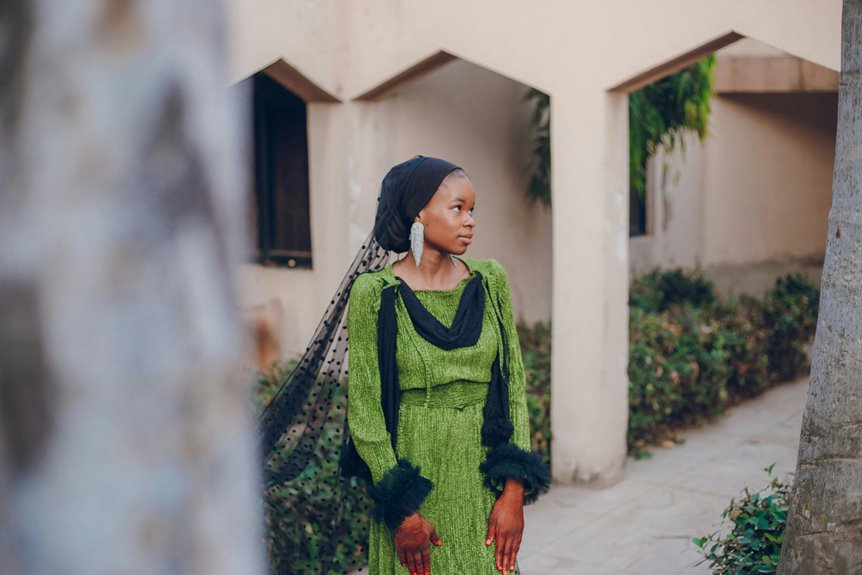
You can wear black to weddings today—it’s sophisticated, not somber. The key involves choosing textured fabrics like velvet or satin instead of flat jersey materials. Structured silhouettes with defined waistlines create intentionality rather than formality. Pair your black dress with metallic heels or a jewel-toned clutch to signal deliberate styling choices.
For evening black-tie events, this approach works beautifully because darker venues and artificial lighting complement black’s depth. For daytime outdoor weddings, reconsider lighter fabrics since natural sunlight can wash out black against bright surroundings. Always check the couple’s dress code before making your final selection.
The real distinction comes down to fabric weight, accessory choices, and how venue lighting interacts with your outfit. A black silk charmeuse dress catches light differently than black cotton, signaling celebration through subtle visual interest. Adding metallic or jewel-toned accessories communicates intentional styling rather than default color choice, which matters to observant guests and photographers alike.
Black Is Now Acceptable Wedding Guest Wear
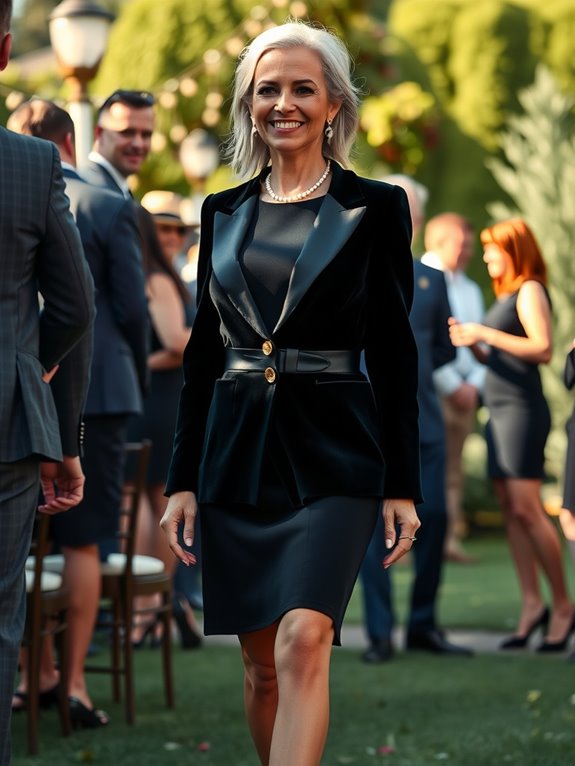
Black has shed its old reputation as a mourning color at weddings. Modern wedding etiquette now treats black as a sophisticated, polished choice that works across various celebration styles and dress codes. In formal or black-tie settings, black naturally aligns with what hosts expect guests to wear.
Why has this shift happened? Contemporary couples increasingly prioritize inclusive fashion standards, recognizing that black conveys elegance rather than sadness. Fashion industry professionals confirm this reflects genuine changes in how weddings approach guest attire expectations.
The real sophistication comes from how you style a black outfit. Pairing your black dress or suit with textured fabrics like lace, satin, or velvet elevates the look beyond basic. Adding statement jewelry, a metallic clutch, or a bold lip can make your ensemble feel festive and editorial rather than somber.
What matters most is checking the couple’s specified dress code before attending. Some weddings explicitly request black-tie attire, where black fits perfectly. Others might suggest cocktail or semi-formal dress, where black still works beautifully with the right accessories. Matching your outfit to the wedding’s indicated vibe shows respect for the couple’s vision while confidently embracing contemporary guest fashion standards.
When Black Works Best: Formal, Evening, and Cool-Season Weddings
Black works best at formal evening weddings and cool-season celebrations where it feels naturally appropriate. Black-tie events call for floor-length gowns or tailored suits paired with metallic accessories that signal proper formality. Evening receptions with warm lighting shift black from potentially somber to genuinely festive, particularly when professional photography captures the details.
Fall and winter weddings provide ideal settings for deeper black tones combined with luxurious fabrics like velvet and satin. These seasonal pairings create sophisticated looks that feel contextually grounded rather than arbitrary. What separates intentional styling from default dressing? Thoughtful choices like texture, color accents, contrasting jewelry, metallic heels, or structured silhouettes that demonstrate careful consideration.
The timing matters significantly because black reads differently depending on context. A black gown at a daytime garden wedding registers differently than the same gown at an evening black-tie celebration. Temperature, lighting, and formality level all influence how guests perceive your outfit choice. By selecting black for occasions designed for formal attire, you align your wardrobe with event expectations rather than working against them.
When to Skip Black: Daytime, Beachside, and Cultural Considerations
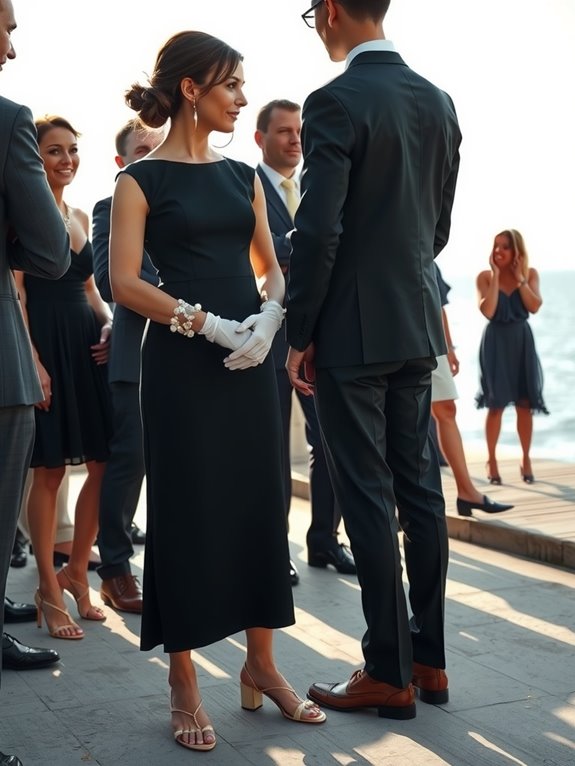
When to Reconsider Black for a Wedding
Daytime weddings typically pair better with lighter color palettes that feel fresh and celebratory compared to solid black. Garden parties and beach ceremonies particularly benefit from breathable fabrics and brighter tones, since black absorbs heat and can feel visually heavy in casual outdoor settings. Guests attending tropical venues often expect comfort-focused fashion rather than dense, dark fabrics.
Cultural context plays an equally important role in your color choice. Many families and communities associate black exclusively with mourning rituals, which creates a tonal mismatch at celebratory events. A wedding invitation’s design language—whether it features bright colors, playful emojis, or minimalist aesthetics—typically signals the couple’s vision and expected guest attire accordingly.
Before finalizing a black outfit, contact the couple or wedding party directly about color expectations. They’ll recognize your consideration and can clarify whether black aligns with their celebration’s atmosphere. If you want to wear black at a daytime event, textured black fabrics or charcoal gray offer visual softness while preserving sophistication without the heaviness of pure black.
Fabric Matters: Velvet, Satin, and Lace Over Jersey
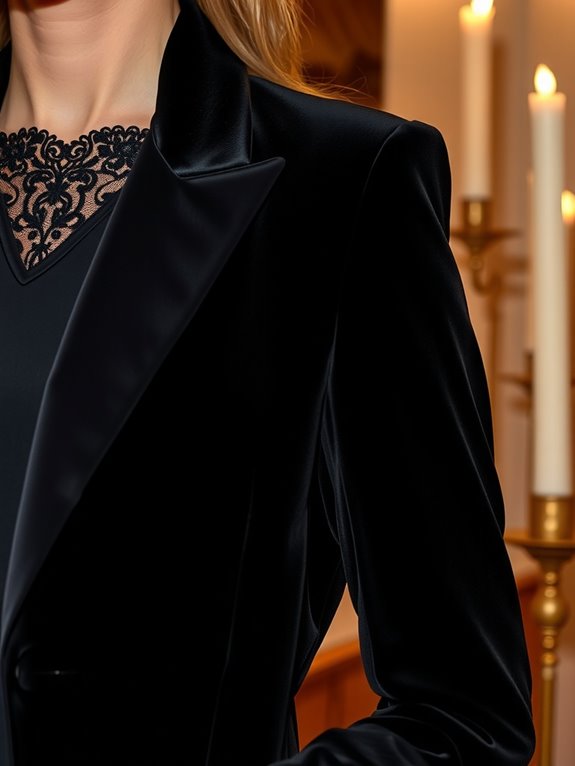
The texture you choose determines whether black reads as somber or genuinely elegant at a wedding. Jersey simply doesn’t work here because it lacks the formal structure that ceremonies require.
Consider these three sophisticated alternatives instead:
Velvet works best during fall and winter celebrations where seasonal depth matters. The fabric absorbs light rather than reflecting it, which creates visual richness that photographs well under indoor lighting. Wedding stylists often recommend Velvet for evening events because its weight and pile add presence to your silhouette without appearing heavy.
Satin delivers that sleek, glossy finish which photographs beautifully under evening lighting. The fabric’s reflective quality means cameras pick up dimension and movement as you walk. Formal wear consultants note that satin’s sheen works particularly well for events with professional photography, since the surface catches light at multiple angles.
Lace introduces delicacy and visual interest while balancing black’s weight with feminine detailing. The openwork construction breaks up solid color while maintaining formality appropriate for special occasions.
These fabrics signal that you’ve considered your appearance carefully. You’re wearing intention, not simply black. The sheen and texture communicate respect for the celebration while keeping you photo-ready throughout the evening.
Choose Silhouettes With Structure and Shape
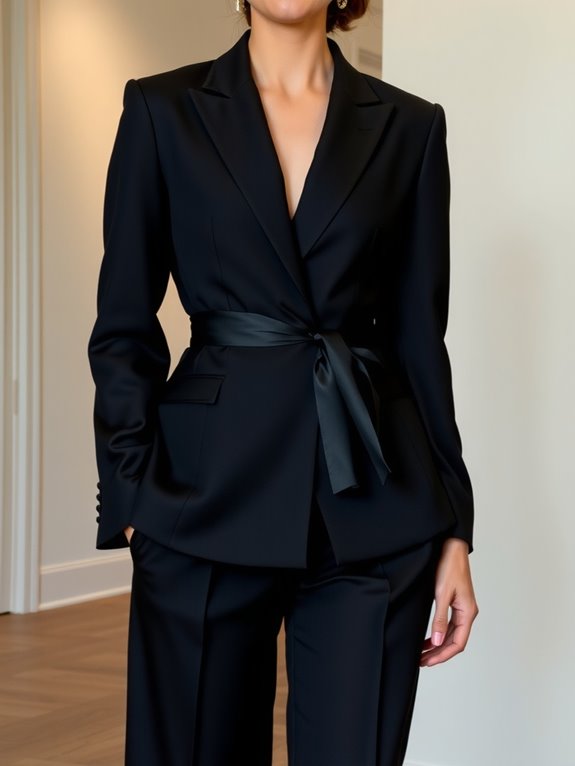
Fabric sets the tone, but silhouette determines whether your black dress reads as celebratory rather than somber. Structured silhouettes signal sophistication through tailored details like fitted waistlines, defined seams, and architectural elements such as peplums, asymmetric hems, or wrap closures. These design features create visual interest and polish that separates formal wear from funeral attire.
Column dresses, sheath styles, and A-line cuts with clean lines flatter most frames while communicating occasion-appropriate formality. What makes the difference between a dress that works and one that doesn’t? Strategic tailoring that cinches at the waist and creates dimension throughout the garment. Boxy, oversized silhouettes flatten your figure and undermine the sophisticated impression you’re aiming for, so invest in alterations that cost between $75 and $300 depending on the complexity of adjustments needed.
Your choice of accessories matters equally when styling a structured black dress. Pair your silhouette with sleek heels (typically $80 to $250), statement jewelry that catches light, and a chic clutch in leather or metallic finishes. These finishing touches work together to elevate your overall presentation by adding intentional polish and personality to an otherwise minimal color palette.
Accessorize With Intention: Metallics and Jewel Tones
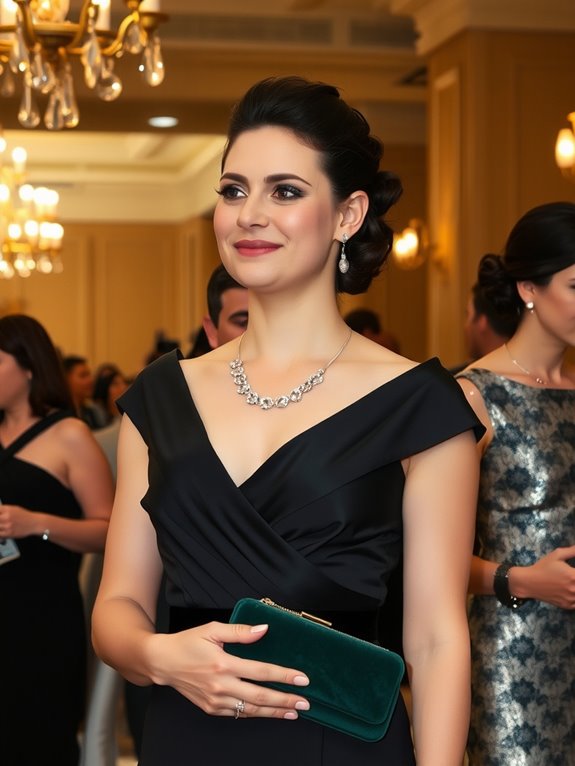
A black wedding outfit risks reading as overly formal or austere without thoughtful accessory choices. Metallics and jewel tones provide the visual contrast needed to shift the mood toward celebration while respecting traditional wedding etiquette.
Gold, silver, and rose gold accessories work particularly well because they catch light and add visual interest without competing with your black base. Statement earrings, metallic heels, or a jeweled clutch each offer different levels of impact depending on your comfort level with bold styling. The approach requires restraint—selecting one standout accessory piece while keeping other elements minimal prevents your look from appearing cluttered or costume-like.
Consider pairing a single dramatic piece with understated jewelry elsewhere. A pair of chandelier earrings in gold or gemstone-studded details, for instance, pairs well with simple metallic flats and a structured clutch in complementary tones. Alternatively, metallic heels become your focal point when paired with minimal jewelry and a simple evening bag.
Jewel tones—emerald, sapphire, amethyst, or ruby—introduce color without abandoning the sophistication of black. A jeweled clutch or colored metallic shoes grounds your outfit in intentional styling rather than appearing as an afterthought. These color combinations read as curated and deliberate, qualities that wedding guests notice and appreciate.
The wedding venue and formality level should guide your choices. A black-tie garden wedding supports bolder metallic elements, while a cocktail-hour celebration might call for more subtle jewel-toned accents. Your personal style matters more than rigid rules about what black-outfit guests should wear.
Metallics for Evening Elegance
When you commit to wearing black to a formal wedding, metallics and jewel-tone accents shift your look from somber to sophisticated. These strategic additions respect wedding etiquette while letting your personal style shine through an evening-appropriate ensemble.
Gold or bronze jewelry adds festive contrast and glow without overwhelming your dress. Consider pairing a gold bracelet with coordinating earrings rather than competing metals, which dilutes visual impact. Metallic shoes in gold, silver, or champagne become focal points that enhance how you appear in photographs. A champagne heel costs between $80-200 at most formal wear retailers and works with nearly any dress shade.
Statement pieces like metallic clutches paired with jewel-tone accents create the formal depth weddings require. A structured gold clutch, typically priced between $50-150, draws the eye without demanding attention.
The restraint matters here. Limit yourself to one or two bold metallics to stay elegant and avoid costume territory. Textured black fabrics like velvet or satin paired with metallics balance depth and shine effectively—the fabric’s matte quality prevents excessive reflectivity when you add metallic accessories.
What happens when you layer too many shiny elements? You risk looking overdressed rather than formally attired. One metallic focal point—whether shoes, jewelry, or a clutch—leaves room for the wedding’s decor and other guests to breathe while you still feel genuinely glamorous.
Jewel-Toned Clutches and Shoes
A sapphire or emerald clutch paired with black creates visual contrast that reads as intentional rather than safe. These deep jewel tones serve as your anchor piece, anchoring the black from feeling overly somber or funeral-appropriate for a wedding setting. The accessory choice signals thoughtfulness about coordinating with the celebration’s aesthetic.
Metallic accents in jewelry and shoes work well alongside jewel-toned pieces. Gold or silver elements coordinate with emerald, sapphire, or ruby tones while maintaining visual cohesion across your entire outfit. Consider a gold bracelet with a sapphire clutch, or silver earrings paired with a ruby shoe, for layered sophistication.
Why do jewel tones photograph so well at weddings? Deep colors hold their richness under warm indoor lighting, which means your black outfit reads as poised rather than flat in photos. The accessories aren’t secondary choices—they’re deliberate selections that demonstrate respect for the occasion while expressing personal style. That intentionality matters more than flashiness.
Layered Jewelry Statement Making
Your clutch and shoes provide the visual foundation, but jewelry layering is where sophistication actually communicates through your overall appearance as a black wedding guest.
Strategic Metallic Mixing
Combining gold, silver, and champagne tones works well when you anchor the composition with a single jewel-tone piece like emerald or sapphire. Why does this approach succeed? The contrasting depth of a rich jewel tone against lighter metallics creates intentional visual interest without feeling chaotic or mismatched. Rather than randomly selecting pieces, think of your metals as a deliberate palette that either flows together or provides purposeful contrast.
Balancing Statement Pieces
One prominent piece—whether a bold statement earring or substantial necklace—pairs best with minimalist jewelry elsewhere on your body. If you choose a chunky cocktail ring, for instance, opt for delicate bracelets rather than multiple rings. This prevents your layered jewelry from competing with your black outfit or overwhelming the guest-appropriate aesthetic the occasion calls for.
Coordinating Your Complete Look
Matching your jewelry metallics to your clutch hardware or shoe details creates a unified appearance that reads as intentional rather than coincidental. Someone wearing champagne-toned jewelry with matching champagne heels, for example, demonstrates noticeably more cohesion than mismatched metal finishes throughout the outfit. This coordination signals that you’ve considered how each element works together rather than simply adding pieces without regard to their relationship.
Let Your Shoes and Clutch Steal the Show
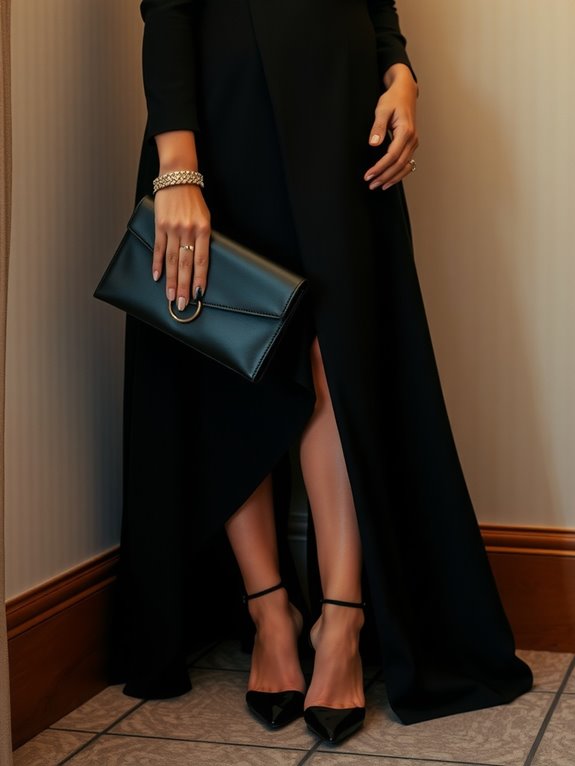
Ever wonder why some all-black wedding outfits feel elegant while others seem flat or uninspired? The accessories you choose determine whether your look lands as sophisticated or somber.
Metallic heels or bold colored shoes create visual interest that pure black alone cannot achieve. Rather than defaulting to black footwear, consider jewel tones like emerald or sapphire, which cost the same as neutral options but read as more intentional. A coordinating clutch in gold, silver, or a complementary jewel tone adds dimension and prevents your entire outfit from feeling monochromatic.
Your accessory choices should reflect the specific event formality. Black-tie affairs call for sleek, minimal metallics with high polish finishes, while cocktail receptions allow more textural variety—think beaded clutches or metallic leather with subtle surface detail. A structured bag with defined lines maintains formal wedding standards better than soft, unstructured styles.
For daytime or outdoor celebrations, lighter fabrics and finishes work better against your black base. Lace overlays on clutches or woven textures on shoes balance the weight of darker clothing without looking out of place. When your shoes and clutch coordinate with each other and suit the event’s dress code, the pairing elevates your overall presentation through strategic choice rather than accident.
Build Depth With Strategic Layering
Why does a simple black dress suddenly feel appropriate for a wedding when you add the right layer? Strategic layering builds visual depth that shifts a basic dress toward formal occasion wear.
Strategic layering transforms a basic black dress into intentional formal wear by building visual depth and sophistication.
Three practical options deliver different effects:
Velvet wraps or blazers introduce rich texture and sophistication for fall and winter ceremonies. The fabric weight signals formality while the drape adds dimension that plain black alone cannot achieve. Expect to invest $150-400 for quality pieces that work across multiple events.
Sheer lace overlays suit daytime or beach weddings by adding delicate detail without bulk. These layers work particularly well for outdoor afternoon celebrations where heavier fabrics feel overwrought. A quality lace overlay runs $120-300 depending on construction and designer.
Structured jackets reshape your silhouette entirely, signaling intentional styling rather than basic coverage. The tailored lines create visual interest that makes formal wear feel deliberate and considered. Investment typically ranges from $200-600 for well-made options.
The real consideration involves matching fabric weight and formality to your specific venue and season. Evening indoor weddings call for heavier materials like velvet or structured wool blends. Daytime outdoor events benefit from lighter overlays in lace, chiffon, or silk that won’t overwhelm the overall look. Your layering choice communicates whether you’ve thoughtfully considered the occasion’s requirements.
Common Styling Mistakes That Read Funeral-Adjacent
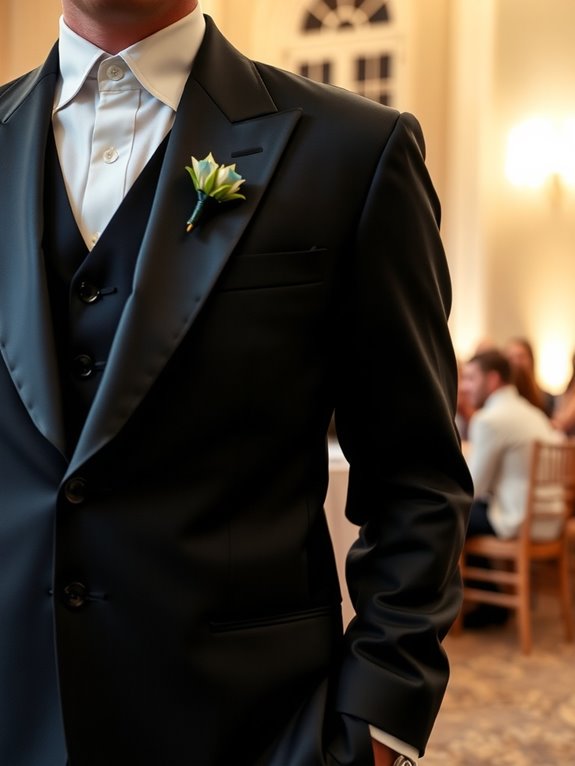
You’re making a real error when you skip texture and fabric choices in your black wedding outfit. Without lace, velvet, satin, or metallics woven into your look, the entire ensemble flattens considerably. This creates that somber appearance rather than the celebratory vibe a wedding calls for.
Strategic accessorizing shifts basic black into genuinely festive territory. A bold statement piece, structured handbag, or shimmer detail does the heavy lifting here. Consider pairing matte black with a metallic clutch in gold or silver (typically $40 to $150), which adds dimension without overwhelming the outfit.
Why does texture matter so much in black formalwear? Flat fabrics absorb light and read as heavier on the body, while textured materials reflect light and create visual interest. A black lace overlay, for example, breaks up solid color and signals intentionality about your outfit choice.
Specific examples work better than general advice. If you’re wearing a black sheath dress, add a velvet blazer or beaded cardigan over top. Satin heels or a metallic belt around the waist catches light and prevents the all-black look from reading as purely solemn. Even pearl earrings or a diamond bracelet introduces reflective elements that shift the overall impression.
The fabric weight matters too. Heavy matte crepe differs significantly from lightweight silk charmeuse, both in how they drape and how they interact with light throughout the reception.
Texture And Fabric Matter
Not all blacks are created equal. The material you choose shifts your appearance from somber to celebratory within seconds.
Luxe textures communicate formality better than basic options. Velvet, satin, lace, and brocade signal festivity far more effectively than plain jersey or matte knits. Cooler-season fabrics like velvet naturally read as more wedding-appropriate than cotton or jersey because the sheen and texture communicate deliberate effort. You’re wearing intentional black that respects the occasion while showcasing your personal style.
Architectural details prevent flat, forgettable silhouettes. Seek pieces with ruching, asymmetric hems, or tailored drapes that create visual interest. These design elements add dimension where basic cuts would disappear into the background.
Accessories complete the shift from funeral-appropriate to party-ready. Metallic jewelry, jewel-toned clutches, and bold shoes work together to signal celebration. How much thought you put into these choices reflects in your overall presentation.
Strategic Accessorizing Elevates The Look
While luxe fabrics and architectural silhouettes handle the heavy lifting, accessories determine whether your look reads polished or austere. Your black dress becomes memorable through layered, intentional pieces rather than afterthought additions. Bold earrings, a jewel-toned clutch, or metallic jewelry shift minimalist elegance into editorial territory. Consider emerald, sapphire, or gold—colors that prompt actual conversation instead of silent nods.
A striking belt accomplishes two things: it defines your silhouette while injecting personality into an otherwise restrained palette. Shoes deserve equal consideration here. Metallic heels or textured fabrics move beyond basic function into genuine visual interest. The distinction between adequate and refined often comes down to these finishing details.
Treat accessories as focal points rather than secondary choices. One statement piece anchors your look with confidence, whereas multiple competing elements dilute that impact. When your black dress whispers sophistication, your accessories should speak with intention. This calibration between restraint and boldness distinguishes guests who understand occasion dressing from those who simply wear clothing. The approach matters more than the price tag—a vintage brooch costs less than contemporary costume jewelry yet communicates more thoughtfulness either way.
Black-Tie Weddings: Floor-Length Gowns and Drama
Black-tie weddings require a deliberate approach to wearing black that signals formality through thoughtful decisions. This dress code specifically calls for floor-length gowns that communicate sophistication and evening-appropriate styling.
Fabric and Silhouette Choices
Velvet and satin fabrics in deep black tones create the polished aesthetic that black-tie events demand. These materials catch light differently than standard cotton or polyester, which is why formal wear professionals recommend them for evening occasions. Column and A-line silhouettes read as appropriate for formal weddings because they maintain clean lines without excessive embellishment.
Velvet and satin in deep black create the polished aesthetic black-tie events demand, catching light in ways standard fabrics simply cannot.
The fabric weight matters considerably here. A 100% silk charmeuse runs between $25–$40 per yard and drapes elegantly, while quality velvet typically costs $18–$35 per yard but provides more visual texture. When selecting between them, consider the venue’s lighting—velvet photographs better in dim ballrooms, while satin suits well-lit outdoor evening affairs.
Accessory Strategy
Metallic and jewel-tone pieces work against a black gown because they create visual contrast without competing for attention. A gold cuff bracelet, emerald clutch, or sapphire drop earrings each serves as a focal point. Why choose one accent piece when you can coordinate two complementary items instead.
Hair and makeup should read as polished rather than dramatic. Sleek updos, low buns, or half-up styles pair effectively with classic makeup that emphasizes one feature—either defined eyes or a bold lip, but rarely both simultaneously at formal events.
Cocktail Weddings: Midi Dresses, Texture, and Gold
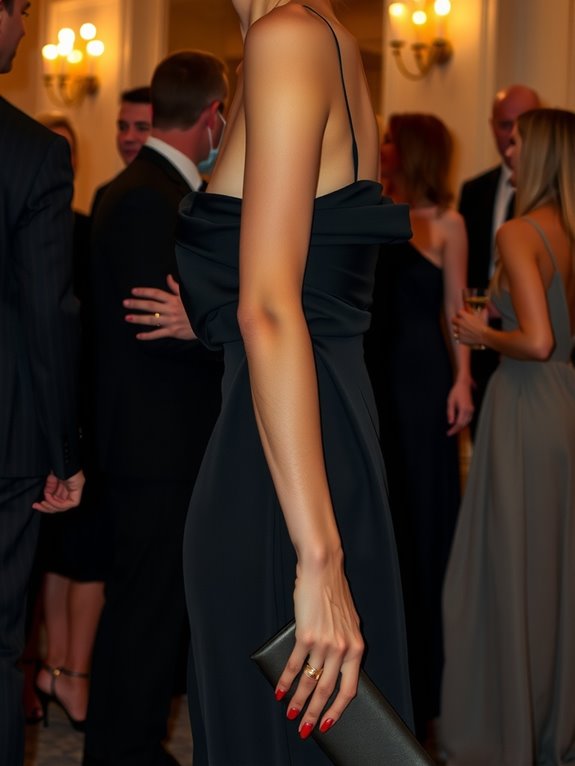
A black midi dress works well for cocktail weddings when you choose textured fabrics like crepe, velvet, or lace that read as festive rather than formal or somber. These materials add visual interest while maintaining the sophistication the occasion requires.
Gold jewelry and accessories ground your look in celebratory style without veering into overly formal territory. Consider pairing your dress with gold drop earrings or a delicate bracelet, a structured gold clutch, and champagne or metallic gold heels that feel appropriate for evening events. This color palette signals celebration while keeping your overall appearance polished and intentional.
Layering with tailored pieces serves a practical function beyond aesthetics. A structured blazer or shimmering wrap provides warmth in air-conditioned venues and adds formality to your silhouette. One strong statement accessory—whether a bold clutch, statement earrings, or a patterned wrap—prevents your all-black-and-gold combination from reading as overly formal or funeral-adjacent.
Midi Length and Silhouette
A black midi dress works well for cocktail weddings because it balances formality with approachability. The real success depends on choosing the right silhouette and hemline for your body and the event’s tone.
Fitted silhouettes with defined waistlines create clean lines that avoid looking boxy or unflattering. When a dress follows your natural curves intentionally, it shifts from potentially dark and heavy to polished and celebratory. This fitted approach flatters most body types without requiring alterations beyond standard hemming.
Ruching and strategic draping add visual interest and movement to solid black fabric. These design details break up the color’s density while maintaining the dress’s formal quality. The added dimension prevents the look from feeling flat or one-dimensional against your body.
Midi hemlines that hit mid-calf position your look in a formal category without the full-length gown commitment. This length reads as modern and intentional at cocktail events, where floor-length dresses often appear overdressed. A mid-calf hem also offers practical advantages—easier movement, less fabric to manage, and better proportion for most heights.
The combination of fitted construction, thoughtful draping, and proper hemline length determines whether your black midi reads as celebratory or somber. Complete this foundation with metallic heels and polished waves for an ensemble that feels both refined and authentically you.
Texture and Fabric Selection
Texture and Fabric Selection
While silhouette and hemline establish your black midi’s basic structure, fabric choice separates polished from austere. Textured options like velvet, lace, or jacquard add visual depth that plain jersey cannot match. A flat black jersey reads as somber rather than sophisticated in cocktail lighting.
Textured fabrics catch and reflect light in ways that benefit evening settings. How does your fabric respond when light hits it directly? Does it shimmer, or does it absorb light completely? That difference matters significantly for how guests perceive your overall appearance.
Gold metallics work particularly well with textured black fabrics. A single statement piece—perhaps gold drop earrings or a structured metallic clutch—introduces warmth without overwhelming the look. What happens when you pair multiple gold accessories with an already-dark dress? The effect often tips toward competing visual elements rather than complementary styling.
Restraint in your remaining accessories keeps the focus on the fabric texture itself rather than creating a busy appearance. One bold accent piece paired with minimal jewelry or a simple clutch maintains the refined quality that cocktail wedding attendance requires.
Gold Jewelry and Accessories
How does gold jewelry shift a black midi from evening wear into cocktail-ready celebration attire?
Gold accessories add warmth and festive shine to your black dress while catching light beautifully in photographs. The key involves selecting pieces with luminous finishes—polished or brushed gold surfaces work best—rather than matte options that absorb rather than reflect ambient lighting.
Three strategic approaches shape how gold accents work with your black midi:
Delicate pieces prevent formality while adding sparkle. Thin necklaces and stacked rings introduce sophisticated shine without pushing your look toward black-tie territory. This approach works particularly well when your midi already features textured fabric or interesting hemlines that deserve visual space.
Slim bracelets and small earrings maintain balance. When gold jewelry clusters around your face and wrists rather than your torso, you avoid overwhelming the dress’s silhouette. This placement strategy keeps the black midi as your outfit’s foundation while gold provides secondary highlights.
Metallic clutches tie your ensemble together. A gold or gold-toned clutch coordinates with your jewelry selections and bridges the gap between your dress and accessories. Most wedding guests invest $80–$200 in cocktail clutches that work across multiple events.
The principle here involves letting gold jewelry serve as your primary accent while your black midi handles texture or silhouette. This balance maintains sophistication while embracing the celebratory nature of wedding festivities.
Semi-Formal Events: Polished Dresses and Structured Jackets
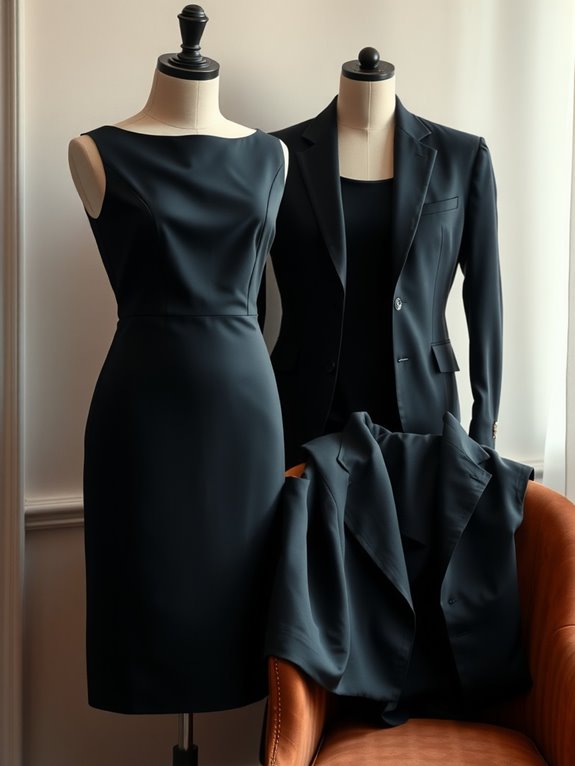
Black at a semi-formal wedding works as a versatile foundation rather than a limitation. A black A-line or wrap dress paired with a structured jacket demonstrates respect for the dress code while showcasing intentional style choices. The key lies in fabric selection: velvet and satin create visual depth that solid cotton cannot, making these options particularly effective for fall and winter events where richer textures feel seasonally appropriate.
Why does texture matter so much in black formal wear? Because dimension prevents an outfit from reading as flat or incomplete. Rather than relying on bold colors to create interest, quality fabrics naturally catch light and draw attention through subtle sophistication. A satin A-line dress costs between $120-$350 depending on designer and construction, while a tailored blazer in the same fabric ranges from $180-$400.
Your structured jacket does more than provide warmth; it visually defines your silhouette and reinforces formality through clean lines and proper fit. A well-constructed piece should have darts at the back, a defined waistline, and shoulders that sit squarely at your natural shoulder point. Layer this jacket over your dress to create the polished silhouette semi-formal events expect.
Keep embellishments restrained and intentional rather than scattered across your outfit. This might mean choosing either a statement necklace or chandelier earrings, not both, or selecting a structured clutch in metallic gold rather than adding multiple accent pieces. Block-heeled sandals in black or metallic finishes ($60-$150) ground your look while remaining practical for standing during ceremonies and receptions.
Fall and Winter: Velvet and Deep Jewel-Toned Accents
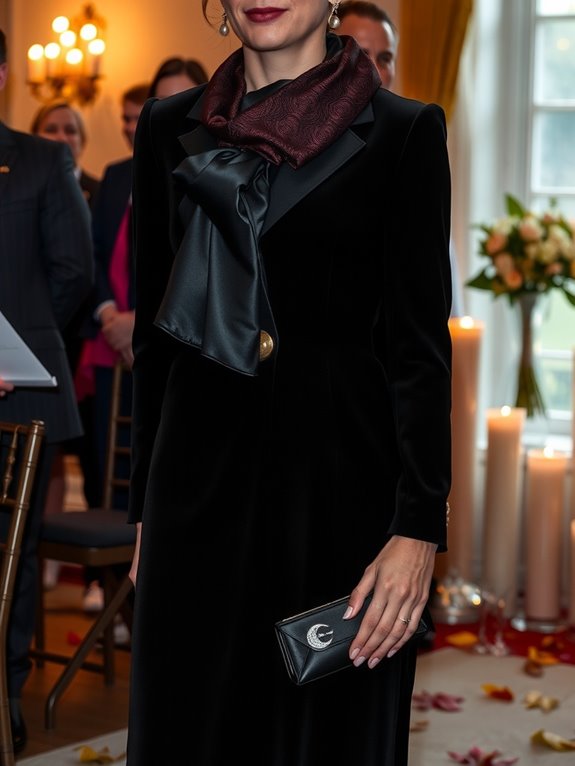
When fall and winter arrive, velvet fabric offers a sophisticated way to style a black wedding ensemble that feels seasonally appropriate. Deep jewel-toned accessories—emerald wraps, burgundy clutches, or sapphire belts—create festive contrast against black while maintaining formal elegance. Why settle for an all-black look that reads as funeral-adjacent when strategic color placement solves that perception problem.
Metallic jewelry and closed-toe heels complete this approach, delivering a polished appearance ready for photographs. The jewel-tone palette works particularly well during November through February events, when these rich colors align naturally with holiday aesthetics. Burgundy and emerald, for instance, pair seamlessly with traditional winter décor without requiring a complete outfit overhaul.
Consider your venue lighting when selecting specific jewel tones. Deep sapphire reads differently under warm ballroom lighting compared to cool restaurant ambient light. Testing accessories under similar lighting conditions before your event prevents color-coordination surprises. A wrap in jewel tones costs between $40 and $150, while quality metallic belts typically range from $25 to $80, making this approach budget-conscious for guests on limited attire budgets.
Velvet Fabric Selection Guide
Velvet Fabric Selection for Autumn and Winter Weddings
Velvet offers a practical choice for black wedding attire because its dense pile naturally conveys formality and sophistication. The fabric’s inherent texture works with black rather than against it, creating visual interest where solid fabrics might appear flat.
Key Selection Criteria
Pile depth and light reflection** matter more than you might think. Look for velvet where the pile catches light subtly—typically 16 to 20 momme** weight fabrics achieve this balance. Crushed velvet or overly flat finishes actually reduce the elegant effect you’re seeking, so handle samples before purchasing.
Weight and structural integrity determine how your garment will hang. Medium to heavyweight velvet (at least 350 grams per square meter) maintains shape in midi or floor-length styles without sagging at seams or bunching at the waist. Lighter velvets work better for accessories or shorter pieces.
Color selection influences the overall aesthetic. Deep jewel tones—emerald, sapphire, burgundy, and charcoal—pair naturally with black without creating visual competition. These saturated colors typically cost between $18 to $35 per yard from quality fabric retailers, compared to $12 to $22 for lighter velvet options.
Styling Considerations
Pair your velvet garment with jewelry in metallics or gemstone tones rather than silver or gold alone. Closed-toe heels provide grounding and maintain the professional appearance you’re building. This combination keeps your look cohesive without requiring extensive accessories or additional layers.
Jewel-Tone Accessory Pairing
Black wedding attire gains sophistication through jewel-tone accessories rather than elaborate styling. Deep emerald, sapphire, or burgundy pieces in velvet or satin create visual depth without competing with the celebration’s focus. A single bold statement—perhaps a clutch or earrings—delivers festive elegance while respecting event formality.
Metallics enhance this approach considerably. Gold, bronze, or rose gold jewelry paired with jewel-tones amplifies the luxurious quality of your entire ensemble. The combination works particularly well in photography because saturated jewel-tones reflect lighting effectively, preventing black fabric from appearing flat or washed out in images.
This accessory strategy demonstrates intentional decision-making about your appearance. Rather than defaulting to neutral styling, you’re actively choosing pieces that complement both the occasion and your personal aesthetic. The result shifts black from potentially somber territory into genuinely celebratory presentation.
Summer and Daytime: Rethink Black, Embrace Lighter Palettes
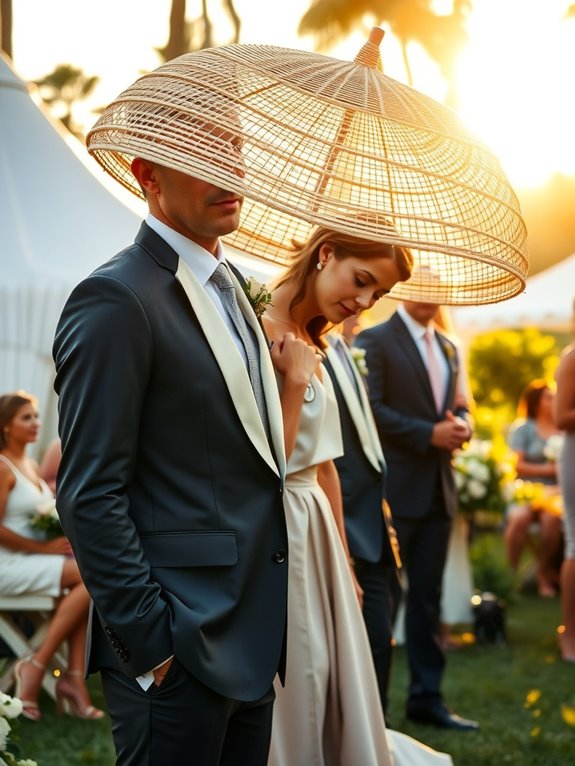
Can you wear black to a summer wedding without appearing overly formal or somber? Yes, if you approach it strategically and consider the specific venue and time of day.
Summer weddings typically call for lighter color palettes, especially in daytime settings. Black doesn’t need to disappear from your wardrobe entirely, but it requires thoughtful styling choices to feel seasonally appropriate and celebratory rather than funereal.
Fabric Selection Matters for Comfort
Choose breathable black fabrics like linen or lightweight cotton blends that won’t feel heavy in warm weather. Chiffon and crepe drape well while allowing air circulation, making them practical choices for outdoor ceremonies and receptions. Heavy velvet and dense wools belong in winter wardrobes, not summer celebrations.
Balance Dark Tones With Lighter Accents
Pair black pieces with champagne, ivory, or soft pastel accessories that signal festivity and joy. A black midi dress becomes lighter and more summery when worn with metallic sandals, a beaded clutch in silver or gold, or a colorful shawl in coral or dusty blue. The accessories communicate celebration while the black provides visual grounding.
Consider Venue-Specific Styling
Garden and beach weddings particularly benefit from color-blocked outfits where black serves as a neutral anchor rather than the dominant element. A black linen dress with a vibrant printed belt, pale yellow heels, and statement earrings in turquoise shifts the overall impression from formal to festive. The black acts as structure while pops of color create visual interest.
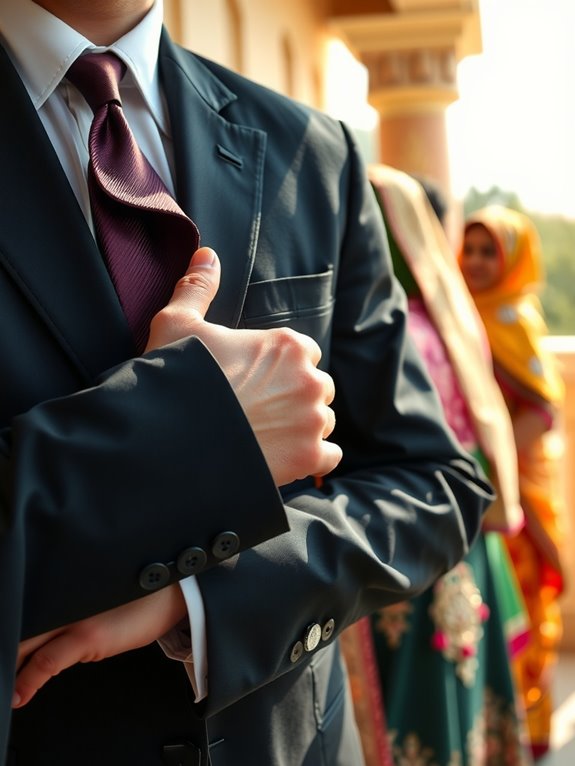
Respect Cultural and Religious Traditions Around Black
Respect Cultural and Religious Traditions Around Black
Different cultures and religions assign distinct meanings to black clothing, so verifying appropriateness matters before finalizing your outfit choice. In many traditions, black represents mourning and grief, which conflicts with celebratory wedding atmospheres. Jewish weddings, for instance, traditionally avoid black as it signals sadness rather than joy. Muslim ceremonies often incorporate black modestly, while some Asian cultures view it as inauspicious for celebrations.
The invitation or wedding website typically includes color guidelines that reflect cultural practices. When guidelines remain unclear, a straightforward text to the couple answers your questions about attire expectations. If you’re unfamiliar with their background, asking the wedding party about local customs demonstrates genuine respect and prevents missteps.
Respectful styling choices involve selecting textured black fabrics, modest cuts, and ceremony-appropriate silhouettes when black is acceptable. This balanced approach honors both the couple’s traditions and established wedding etiquette standards. By weighing these considerations carefully, you’ll navigate black clothing decisions with confidence while showing respect for the couple’s celebratory vision.