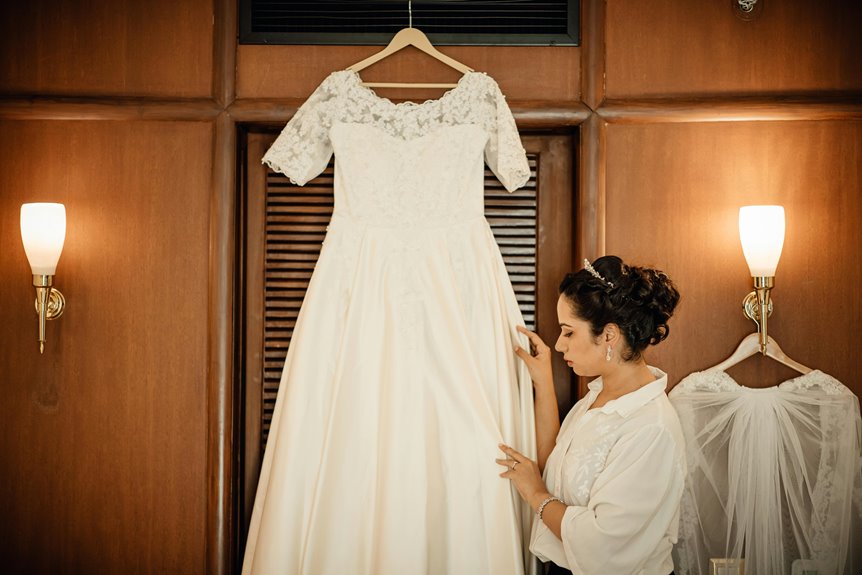
A-line wedding dresses in 2026 cater to diverse wedding visions and body types through distinct silhouette choices. Classic satin A-lines deliver formal polish while reducing alteration costs by $200–$500 compared to more intricate designs. Minimalist chiffon options work particularly well for beachside or outdoor ceremonies where lightweight fabrics prevent overheating and allow easier movement.
The 3D floral tulle trend showcases soft pastel colorways, typically priced between $1,800–$3,200. This style creates dimensional texture through strategic layering without adding unwanted bulk to your frame. Backless designs featuring deep V-necklines make bold statements for brides prioritizing dramatic silhouettes over traditional coverage. Convertible styles with detachable sleeves offer practical versatility—you wear one look for the ceremony and another for the reception without changing dresses entirely.
Structured organza provides reliable flattery for curvier body types since the fabric holds its shape without clinging. The combination of timeless A-line proportions with modern design details like asymmetrical hems or illusion paneling appeals to brides seeking contemporary touches on classic foundations. Consider your venue requirements and climate when selecting between heavier satins for formal indoor weddings and lighter chiffons for warm outdoor celebrations. Your final choice should reflect both your personal aesthetic and the practical demands of your wedding day logistics.
Classic Satin A-Line: Timeless Elegance for Formal Ceremonies
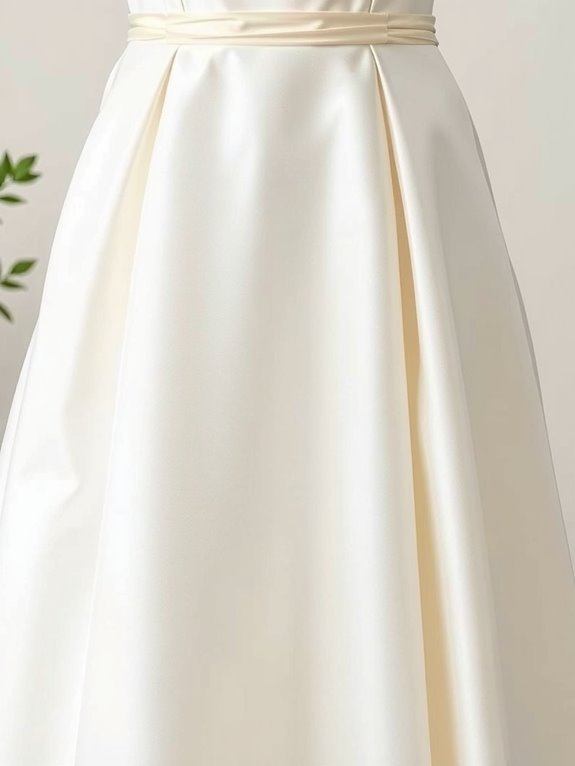
Satin A-line dresses have dominated formal wedding ceremonies for decades, and the reasons are rooted in both physics and design. The fabric’s glossy finish reflects light across a wider surface area, which creates visual depth and dimension that photographers capture exceptionally well in both indoor and outdoor settings. The A-line silhouette—fitted through the bodice and gradually widening from the waist—accommodates various body types without requiring extensive alterations, typically saving $200-500 in customization costs.
The construction of an A-line dress provides practical benefits beyond aesthetics. A structured bodice supports the upper body while the flowing skirt allows comfortable movement during your ceremony and reception. Most wearers report being able to walk, sit, and dance without the restrictive feeling associated with tighter silhouettes.
Current trends in 2026 favor minimalist luxury over ornate details. Rather than heavy beading or elaborate embroidery, contemporary satin A-lines feature clean architectural lines, pearl button closures, or restrained lace appliqués on the bodice or sleeves. This approach maintains formality while offering a refined, modern aesthetic that photographs well across different venues.
The formality inherent to satin pairs naturally with traditional bridal elements like corseted bodices and extended trains. A five-foot cathedral train adds approximately 20-30 pounds to the garment, requiring structural reinforcement in the bodice seams that adds $300-600 to base dress pricing.
Satin demands specific care protocols to preserve its signature sheen. Professional dry cleaning costs $75-150 per session, and storage in acid-free boxes with tissue paper prevents creasing and yellowing over time. Without proper maintenance, the fabric can develop permanent wrinkles and lose its reflective quality within 3-5 years of storage.
Minimalist Chiffon A-Line: Grace for Beach Weddings
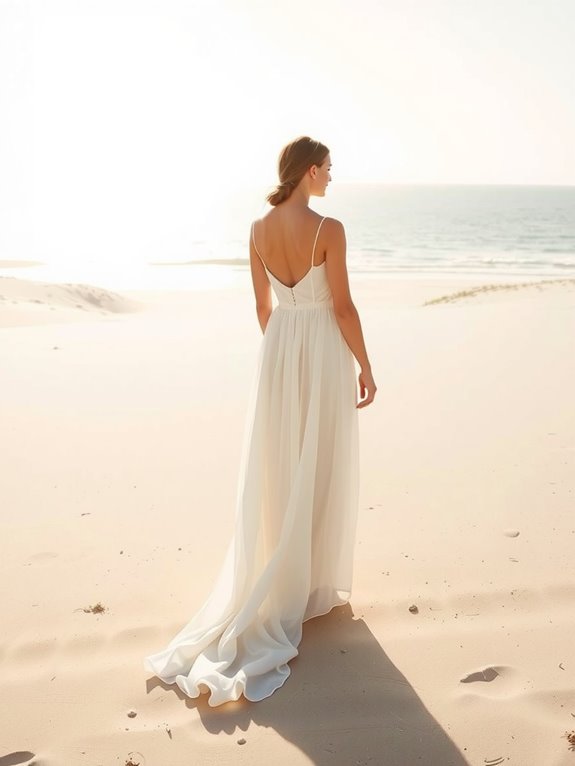
Chiffon’s lightweight composition keeps you genuinely cool during seaside ceremonies where heavier fabrics create discomfort and restrict movement. This sheer, drapable fabric moves naturally across sand and delivers a relaxed coastal look without demanding heavy embellishments or structural layers.
The beauty of a chiffon A-line lies in its versatility across different reception settings. Want to go barefoot for the ceremony, then add strappy sandals and a delicate wrap for the dinner hour? You’ll accomplish this transition with minimal fuss. A simple jewelry swap—perhaps trading initial earrings for chandelier styles—completes the shift from casual to refined without requiring a wardrobe change.
Chiffon typically costs between $12 to $25 per yard, making it a practical choice for budget-conscious brides. Most beach wedding dresses using this fabric range from $800 to $2,500 depending on designer and customization level. When you compare this to heavier silk or satin options running $1,500 to $4,000, the price advantage becomes clear.
Consider consulting with a seamstress or bridal specialist about eight to twelve weeks before your wedding date. They can assess whether chiffon suits your body type and climate conditions. Some venues near salt water may benefit from undergarments that prevent transparency issues while maintaining the fabric’s signature flow.
Lightweight Fabric Benefits
Breathability and comfort matter at beach weddings because outdoor heat and humidity create real challenges for your clothing. Chiffon addresses both concerns through its translucent weave, which allows air to circulate freely and prevents the clammy feeling that occurs when sweat gets trapped against your skin during a multi-hour celebration.
The fabric’s lightweight construction keeps you mobile across sand and uneven terrain without the burden of heavier materials like silk or satin. Since chiffon naturally drapes with minimal restriction, you’ll move through your ceremony and reception without constantly adjusting your gown or fighting against excess fabric.
Smart construction details matter here: designers typically line chiffon with satin or additional internal layers to maintain breathability while eliminating transparency issues. This layering approach gives you the cooling benefits of a lightweight weave plus the coverage and confidence you need throughout your event, without requiring you to compromise between comfort and practicality.
Coastal Venue Styling
A minimalist chiffon A-line dress provides practical elegance for seaside celebrations by balancing movement with structure. This silhouette responds well to ocean breezes while staying composed in warm, sandy conditions where traditional fabrics might cling or wrinkle.
| Styling Element | Best Choice | Why It Works |
|---|---|---|
| Length | Floor-length | Prevents wind interference and maintains polished appearance |
| Color Palette | Blush, champagne | Complements natural coastal lighting and photographs well |
| Embellishments | Minimal or none | Preserves clean aesthetic appropriate for beach settings |
Accessory Decisions
Your accessories work best when kept simple and functional. Delicate straps reduce shoulder strain during hours of standing, while barefoot-friendly options or minimal sandals allow comfortable movement on sand and uneven surfaces. Basic jewelry avoids competing with the dress’s simplicity and reduces the risk of loss in coastal environments.
Fabric Performance
Chiffon’s lightweight construction prevents overheating during outdoor celebrations where shade may be limited. The breathable weave accommodates various body types without clinging awkwardly, and the fabric’s natural drape creates visual interest without requiring heavy embellishment. How does your body typically respond to warm climates—do you prefer garments with more structure, or does lightweight fabric feel more comfortable?
Romantic Lace A-Line: Intricate Details for Traditional Brides
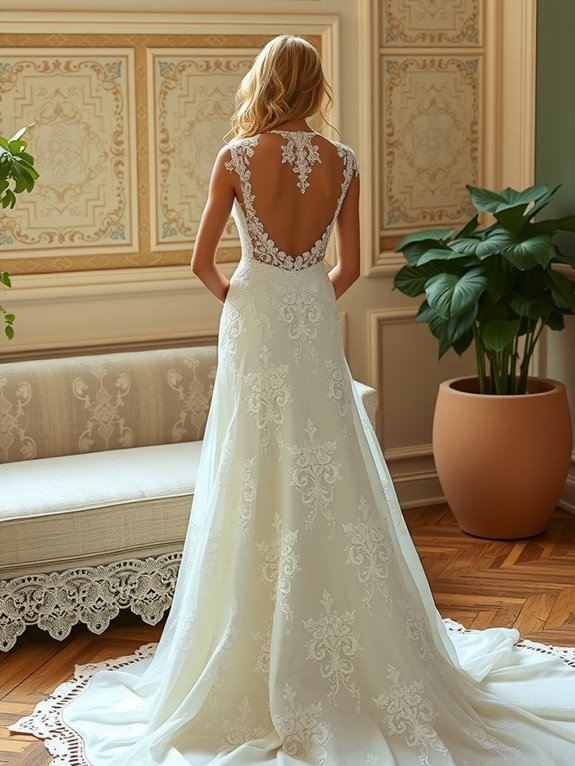
Romantic lace A-line dresses combine fitted bodices with flowing skirts that suit various body types and wedding aesthetics. The fitted waist creates definition while the gradual skirt allows natural movement and provides adequate coverage throughout your ceremony and reception.
Lace detailing distinguishes these designs through specific pattern choices. Chantilly lace and floral vine appliqués appear along necklines, sleeves, and hemlines to add depth and visual interest. Pearl buttons, scalloped edges, and subtle beadwork further enhance the overall refinement without appearing overdone.
What makes lace A-lines particularly practical for modern brides? Contemporary designers now incorporate detachable sleeves and illusion backs, allowing you to adjust your look between the ceremony and reception. This flexibility appeals to brides who want classic elegance without committing to a single silhouette for eight or more hours.
The vintage-inspired sophistication in these gowns resonates with brides seeking enduring style rather than trendy elements that date quickly. When you choose intricate lace construction, you’re investing in pieces that photograph well across decades and remain relevant for future generations who might wear or alter them.
A-line silhouettes flatters most figures because the gentle A-shape creates balance. Narrower shoulders appear broader, while the skirt volume provides proportion for petite or taller frames. Consider how the specific lace pattern interacts with your body when selecting between dense Chantilly and more open floral designs.
Bold Backless A-Line: Deep V-Necklines for Modern Ceremonies
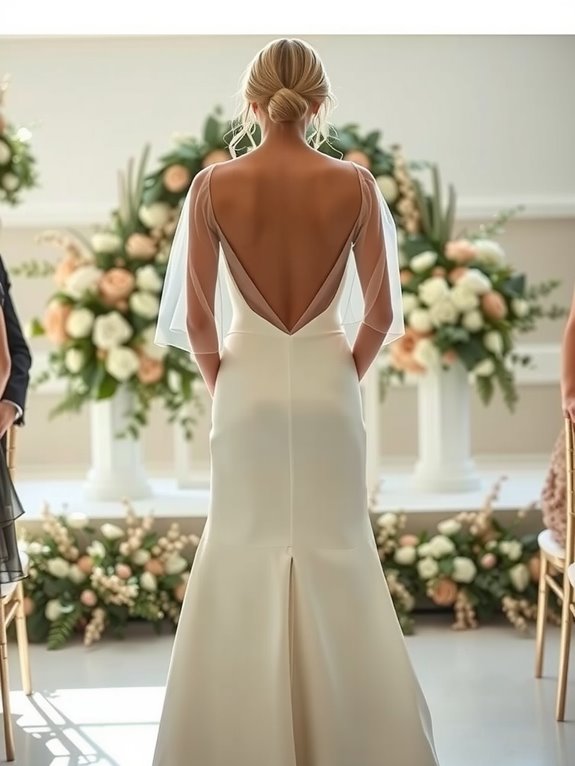
Backless A-line gowns command attention through their architectural design and contemporary silhouette. The deep V-neckline creates a lengthening effect on your frame while highlighting your spine as the focal point of the design.
This style combines a fitted bodice that narrows at the waist with a flowing skirt that provides movement and balance. The contrast between structured and fluid elements creates visual interest without requiring additional embellishment.
Your fabric selection significantly impacts both appearance and wearability. Satin delivers a sleek, formal aesthetic with a polished sheen, while chiffon offers a lighter alternative suitable for outdoor or destination weddings. Current collections feature detachable overskirts or strategically placed sheer paneling, allowing you to adjust coverage based on venue requirements or personal comfort levels.
When styling a backless A-line, minimalist jewelry works best since your back and neckline already serve as primary design features. A simple pendant or delicate drop earrings complement rather than compete with the silhouette. Similarly, veils should remain subtle—consider a small comb veil or shoulder-length option rather than a dramatic cathedral train that would obscure the back design.
The architectural nature of this gown works well for intimate ceremonies, modern venues, and outdoor settings where the back receives natural attention. Budget between $1,200 and $3,500 for quality construction, depending on designer and fabric choices.
2026 Trend: 3D Floral Tulle A-Line in Soft Pastels
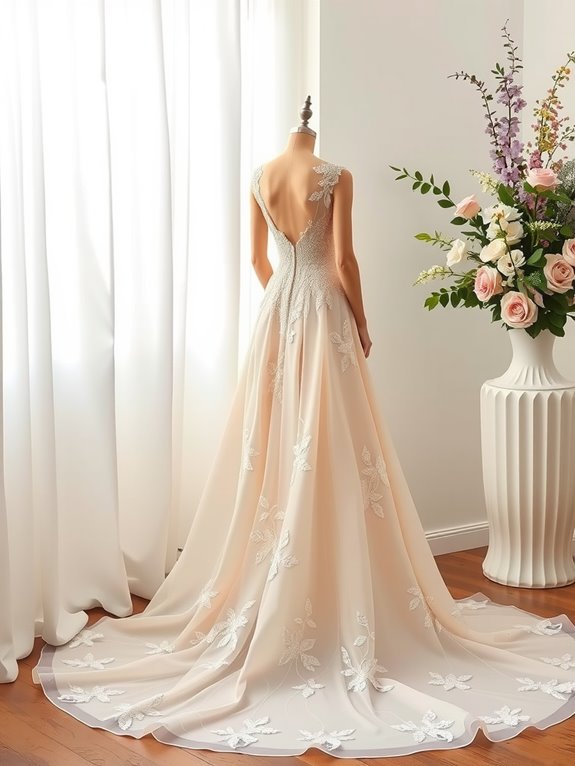
Dimensional floral appliqués made from layered tulle and hand-stitched petals add romantic texture to your silhouette while preserving waist definition. These three-dimensional details work because they create visual interest at key points without adding bulk around the midsection.
Soft pastels—blush, champagne, and powder blue—lead this trend through 2026. You can customize the scale of florals to suit your frame and venue, whether that’s an intimate garden ceremony or a grand ballroom reception. The lightweight tulle construction allows volume without restricting movement, which matters when you’re coordinating between ceremony and reception styling.
Detachable sleeves offer practical versatility for this silhouette. You might wear them during a formal ceremony, then remove them for dancing and mingling later in the evening. This approach lets you achieve multiple looks from a single dress investment, typically ranging from $1,800 to $3,200 for custom or semi-custom construction.
What makes this trend work for different body types? The dimensional appliqués draw attention upward toward your face and shoulders, while the A-line skirt provides gentle shaping through the hip and thigh. Bridal designers like Amsale and Hayley Paige have incorporated this construction method, noting that hand-stitched details require six to eight weeks for completion during peak season.
The tulle choice matters more than most brides realize. Swiss tulle and silk tulle offer different drape qualities and durability, with silk tulle lasting longer under the stress of dancing and movement.
Dimensional Floral Appliqué Details
What separates a couture wedding dress from mass-produced alternatives. The meticulous craftsmanship behind dimensional floral appliqués sets them apart significantly. These intricate petals aren’t simply glued to fabric—designers laser-cut or hand-sew each piece to achieve precision edges that catch and reflect light beautifully.
This construction technique creates shadow play across your bodice and skirt, adding tactile depth that translates well in photography. The three-dimensional effect elevates a basic tulle gown into something distinctly refined and romantic. Designers strategically place appliqués to maintain movement despite the added volume, so your dress flows naturally as you walk.
The process involves several stages. Designers first sketch placement on muslin mock-ups, then cut individual petals from silk, organza, or lace using either laser technology or hand-shears. Each petal gets attached through hand-stitching or specialized adhesive, with high-end bridal houses completing this work entirely by hand. A single gown can require forty to eighty hours of appliqué work.
Pricing reflects this labor intensity. Wedding dresses featuring dimensional floral appliqués typically range from $3,000 to $12,000 depending on coverage area and material quality. Custom designs with hand-painted petals or Swarovski crystal centers command higher prices. Bridal boutiques in major markets like New York, Los Angeles, and Chicago stock these pieces from designers like Marchesa, Naeem Khan, and Carolina Herrera.
The visual payoff remains substantial. Photographers specifically highlight how appliqués catch light during movement, creating dimension that flat beadwork cannot replicate. When selecting this detail, you’re choosing a premium finish that requires proper preservation care and professional cleaning post-wedding.
Pastel Color Palette Selection
Dimensional floral appliqués draw the eye through texture and skilled craftsmanship, but your color choice establishes the emotional foundation of your entire gown. Soft pastels—blush, champagne, and pale pink—lead 2026 wedding trends for concrete reasons that extend beyond aesthetics alone.
These muted tones create romance while maintaining a minimalist luxury feel that doesn’t overpower your silhouette. Pastel A-line gowns appeal across geographic regions, resonating equally with brides in Europe, the UK, and the USA. Why choose understated hues over bold colors? They perform well in photography from ceremony through reception, sustaining visual interest without demanding all the attention in each frame.
Designers consistently note that pastel palettes pair well with breathable, comfortable fabrics designed for extended wear throughout your celebration. A single shade becomes the practical foundation for your accessories and styling choices. Detachable sleeves or overskirts work seamlessly with your base color, allowing you to create two distinct looks from one dress and maximize your investment’s versatility.
The photographic advantages matter considerably. Soft pastels render clearly in both natural daylight and indoor lighting without the color shifting that sometimes occurs with deeper jewel tones or bright whites. Your chosen pastel shade also provides flexibility for bridesmaid coordination, allowing attendants to wear complementary tones rather than matching your exact shade.
Tulle Fabric Volume Benefits
Tulle creates flattering silhouettes through layered construction that adds volume without excess weight. The fabric’s open weave structure allows air to circulate, keeping skirts lightweight while maintaining pronounced shape in A-line designs.
Designers typically layer multiple tulle weights to achieve dimensional effects. A base layer of heavier tulle provides structure, while lighter layers on top create that airy quality. Lightweight embroidery techniques—often weighing less than one pound per square yard—add detail without compromising the overall weightless feel.
The interplay between soft pastels and three-dimensional floral appliqués produces the dimensional texture that defines contemporary romantic wedding aesthetics. These dimensional elements catch light differently than flat fabrics, creating visual depth across the entire skirt.
Movement is a practical consideration for your wedding day. Tulle’s natural drape allows skirts to swish and move fluidly when you walk, dance, or pose for photographs. This mobility translates to more dynamic images from various camera angles, capturing the dress in motion rather than static positions.
When you select a three-dimensional floral tulle A-line in soft pastels, you’re choosing a dress designed to balance current trends with enduring appeal. The combination of contemporary construction techniques with romantic silhouettes ensures the dress won’t look dated in five years. Quality tulle in neutral pastels remains relevant across multiple wedding seasons and styling approaches.
The dress moves with your body rather than against it, responding naturally to your gestures and position changes throughout the celebration.
Convertible A-Line With Detachable Sleeves: Two Looks in One
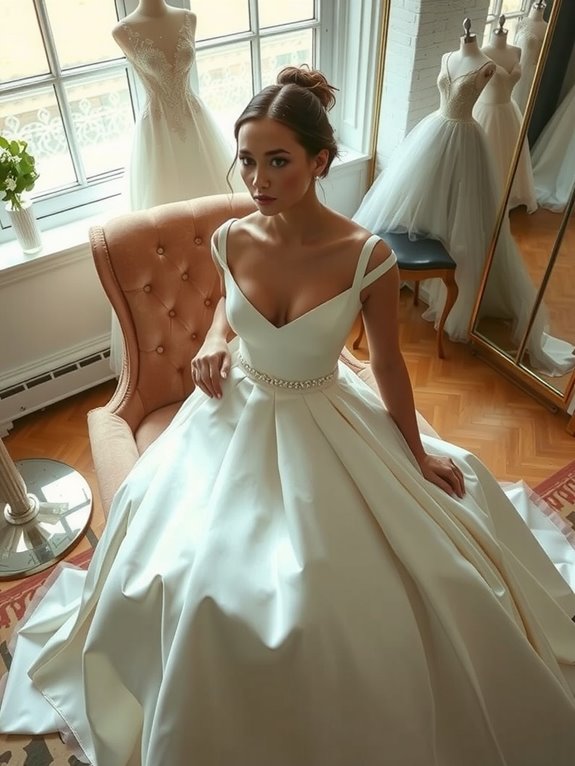
Wearing your wedding dress for a limited time doesn’t mean settling for a single aesthetic. A convertible A-Line with detachable sleeves lets you present two entirely different looks throughout your celebration without purchasing multiple gowns. The ceremony calls for formal elegance with sleeves, while the reception opens room for a strapless or sleeveless silhouette that suits dancing and mingling.
Sleeve Options and Their Visual Impact
| Sleeve Option | Best For |
|---|---|
| Illusion Lace | Romantic, traditional aesthetics with sheer embellishment |
| Puffed Sleeves | Bold statements that photograph well in bright light |
| Off-the-Shoulder | Modern lines that suit contemporary venue styles |
| Matching Satin | Cohesive, polished appearances with consistent fabric feel |
| Chiffon Details | Lightweight comfort for outdoor ceremonies and warm climates |
Each sleeve style attaches via hidden snaps, buttons, or custom hooks designed specifically for your dress’s neckline and armhole shape. The attachment process typically takes five to ten minutes, making the transition between ceremony and reception practical rather than disruptive.
Practical Advantages for Wedding Planning
Designers have featured this detail consistently through 2026 because it addresses real logistical concerns. Rather than managing two separate gowns, you’re working with one dress that adapts to different moments and settings. This approach reduces overall wardrobe expenses while simplifying packing for destination weddings or weekend celebrations away from home.
The A-Line silhouette remains visually consistent whether you’re wearing sleeves or not, maintaining the dress’s fundamental character across both configurations. Alterations become more straightforward since the core garment stays unchanged—you’re only adjusting detachable components rather than restructuring seams or necklines.
Structured Organza A-Line: Flattering Volume for Curvier Silhouettes
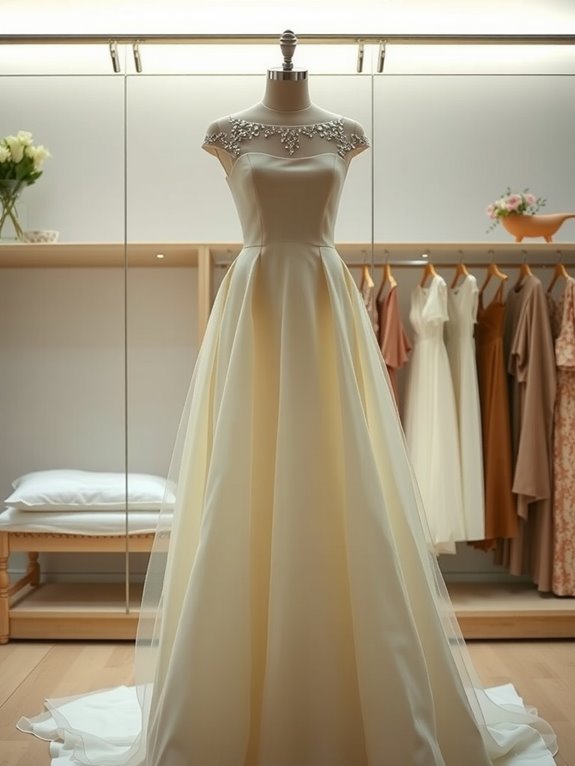
Structured organza delivers intentional shaping that flatters curvier silhouettes through its inherent stiffness and architectural properties. Unlike convertible designs that prioritize flexibility, structured fabrics maintain their form throughout your entire event while enhancing natural movement without clinging to the body. The fabric’s subtle sheen adds modern polish suitable for both formal ceremonies and contemporary outdoor settings, making it versatile across venue types.
When designers pair structured organza with strategic waist seams and defined bodices, the combination creates maximum waist definition while preserving comfort. An A-line silhouette constructed from this fabric balances curvier upper bodies by creating crisp volume in the skirt while the bodice provides support through its architectural cut. The fabric’s rigidity prevents sagging or shifting throughout hours of wear, which matters considerably during ceremonies and receptions lasting four to six hours.
Modern designs increasingly incorporate detachable overlays and illusion panels in structured organza, allowing you to customize coverage and volume without compromising the flattering silhouette. This modular approach means you could wear the dress with full coverage during the ceremony, then remove overlays for the reception if desired. Pricing for structured organza gowns typically ranges from $1,200 to $3,500 depending on designer, customization level, and construction complexity, with additional costs for alterations and detachable elements running $200 to $600.
The weight and hand-feel of organza varies significantly between manufacturers. Bridal-weight organza, specifically engineered for wedding garments, typically costs more than fashion-weight versions but holds shape more consistently throughout extended wear periods, making it worth comparing fabric options during fittings.