

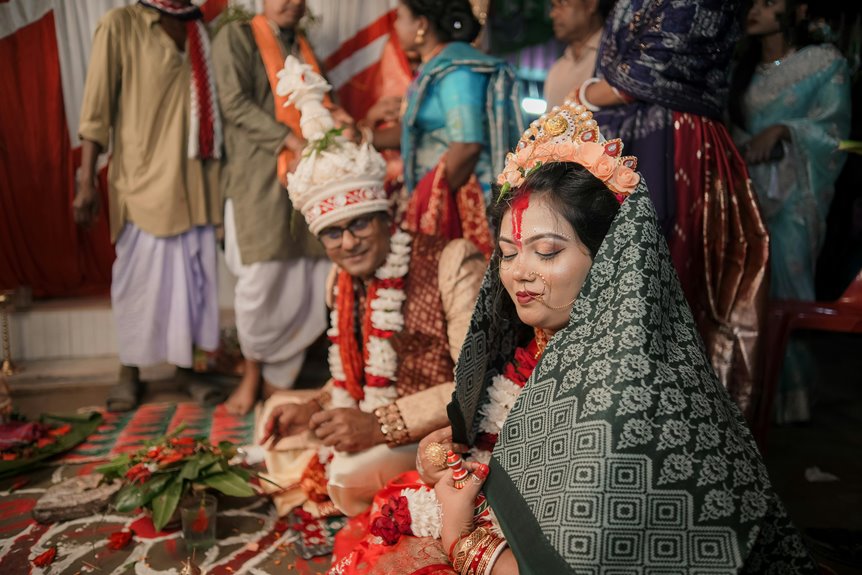
A shotgun wedding is a rapidly arranged marriage typically prompted by unplanned pregnancy, though modern versions stem from religious beliefs, military deployment, or personal choice rather than historical coercion. You’re looking at compressed timelines—often weeks instead of months—smaller guest lists, and streamlined ceremonies costing $5,000 to $15,000.
The term originated in 1800s frontier culture, implying forced unions under duress. Today’s expedited marriages reflect voluntary decisions made for various reasons. Understanding whether this path aligns with your values requires exploring the legal, financial, and emotional dimensions involved.
When planning an accelerated wedding, consider that shorter planning windows demand immediate decisions across multiple fronts. Venue availability becomes your first constraint, as popular locations book months in advance. Many couples pursuing faster timelines pivot to restaurants with private dining spaces, community centers, or backyard ceremonies, which offer greater availability and lower costs ranging from $500 to $3,000 for the space itself.
The guest list naturally shrinks when you compress your timeline. A typical shotgun wedding includes 25 to 75 guests compared to the national average of 95 to 150 attendees. Notifying people with two to four weeks notice means some invitees cannot attend, which actually reduces catering costs. Budget roughly $20 to $50 per person for food and beverages, bringing your total to $1,500 to $3,750 for a 75-person celebration.
Photography and videography require advance booking but remain feasible. Many photographers offer four-hour packages for $800 to $1,500, capturing ceremony and reception highlights without full-day coverage. This represents a practical compromise when your timeline is tight.
Legal requirements vary by state and country. Marriage licenses typically require three to five business days for processing after application, though some jurisdictions offer expedited licenses with additional fees. Research your specific location’s regulations immediately when deciding to marry quickly.
What Is a Shotgun Wedding? Definition and Modern Context
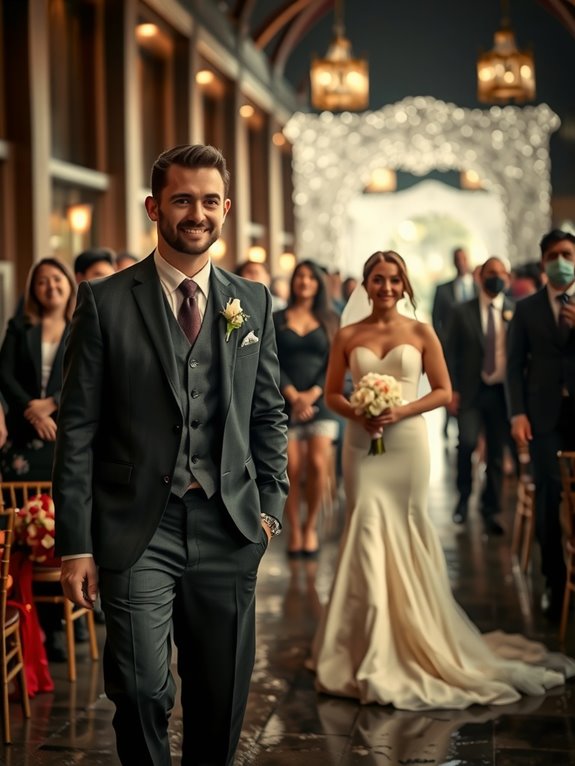
Why do we still use a term rooted in Old West imagery to describe modern marriages?
A shotgun wedding refers to a quickly arranged ceremony, typically prompted by an unplanned pregnancy. Historically, this term implied coercion—imagine a protective father pressuring his daughter’s partner into marriage to preserve family honor. The phrase conjures images of frontier-era fathers confronting reluctant suitors with weapons to force commitment.
Today’s shotgun weddings operate under entirely different circumstances. Modern couples pursue rapid marriages after pregnancy or early dating for social, religious, or financial reasons rather than family pressure or intimidation. The emphasis has shifted from force to logistics, with couples managing shortened planning timelines and parental involvement while maintaining genuine relationship commitment.
Contemporary society increasingly views unplanned pregnancies among unmarried individuals as common rather than scandalous. Your generation approaches these situations with practical considerations: compressed engagement periods of weeks or months, scaled-down guest lists, and streamlined ceremony components. Couples might select civil ceremonies at courthouses or smaller religious services rather than elaborate traditional weddings, reducing both planning complexity and costs that typically range from $5,000 to $15,000 for expedited arrangements.
The terminology persists despite its outdated connotations, though its meaning has fundamentally evolved. What once represented shame and coercion now simply describes the timing and circumstances of a couple’s decision to marry. The wedding industry has adapted accordingly, with coordinators offering rush planning services and venues accommodating short-notice bookings to accommodate these couples’ practical needs.
Where Did the Term “Shotgun Wedding” Come From?
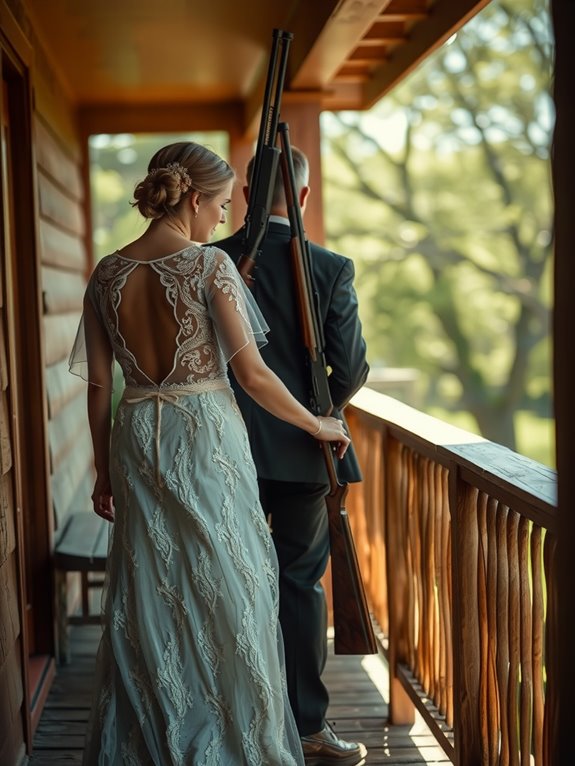
Where the Term “Shotgun Wedding” Came From
The phrase “shotgun wedding” emerged from 1800s American frontier culture, where premarital pregnancy triggered severe social consequences. Fathers occasionally threatened their daughters’ unmarried partners with actual weapons to coerce immediate marriage ceremonies. Early documented cases appeared in 1872 newspaper accounts and the widely-publicized 1883 George Maynor case, which solidified the phrase’s violent terminology in public consciousness.
During that era, marriage represented the only socially acceptable response to pregnancy outside wedlock. The practice protected family reputation while establishing financial responsibility for children. These unions were genuinely coercive affairs, backed by real threats and genuine fear rather than social pressure alone.
The meaning has shifted considerably over the past century and a half. Modern shotgun weddings typically involve no weapons or actual coercion whatsoever. Instead, couples use the term to describe expedited ceremonies prompted by pregnancy, religious convictions, or family expectations. The violent origins have largely faded from contemporary usage, leaving behind only the reference to rushed timelines and compressed wedding planning periods.
Why Shotgun Weddings Happen Today?
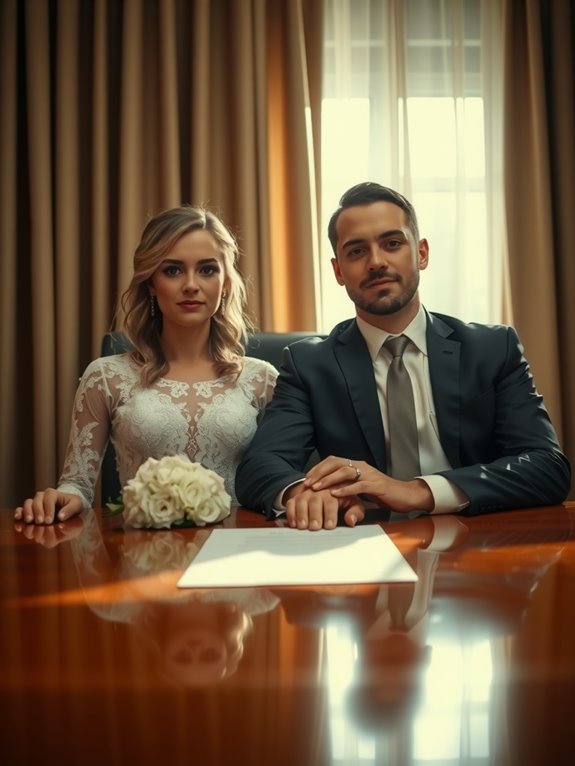
Today’s couples pursue shotgun weddings for fundamentally different reasons than their historical predecessors who faced real coercion. Rather than bowing to societal shame, modern couples often choose quick marriages based on personal conviction. Religious beliefs might drive your decision—many faith traditions encourage formalized commitment before childbirth. Alternatively, you might prioritize providing your child with two parents under one legal roof, viewing marriage as a stability factor rather than a necessity imposed by others.
Financial incentives also factor into contemporary quick weddings. Tax benefits, insurance coverage through spousal plans, and joint filing status can yield measurable advantages for young families. A couple earning $60,000 combined might see meaningful tax savings by filing jointly rather than individually.
The cultural landscape differs markedly from previous generations. Unwed pregnancy no longer carries the social stigma that once made shotgun weddings inevitable for respectability. This shift means your choice genuinely reflects your values rather than external pressure. When societal judgment diminishes, decisions about marriage timing become authentically yours to make based on what feels right for your relationship and family structure.
Modern Pregnancy And Marriage
While fathers with rifles no longer define modern weddings, unplanned pregnancies still accelerate couples toward the altar. Today’s pregnant bride navigates genuine pressures that blur practical and emotional territory. Financial constraints, familial expectations, and religious beliefs converge into compelling reasons for expedited timelines.
Many couples opt for rapid ceremonies to establish stable two-parent households for their children. Combining household resources and insurance benefits provides concrete financial motivation for faster wedding planning. Religious families may encourage marriage before visible pregnancy shows, reflecting spiritual values around family structure.
These decisions don’t stem from coercion but from interconnected social, economic, and spiritual circumstances shaping contemporary family planning. Your accelerated wedding reflects pragmatic choices about stability rather than shotgun pressure from previous generations. When planning happens quickly, you’re simultaneously managing logistics like securing venues with shorter notice periods and coordinating vendors who can accommodate compressed timelines.
The reality involves booking available caterers and photographers within weeks rather than months, which typically reduces your venue and vendor options. Couples report spending between four to eight weeks planning rushed ceremonies compared to the average twelve to eighteen month engagement period. Some facilities offer expedited packages or maintain availability for last-minute bookings, though premium venue choices often require longer lead times.
Declining Social Stigma Pressures
What’s shifted most noticeably isn’t how couples behave—it’s how society responds to them. A fundamental change in pregnancy stigma is reshaping the reasons people marry quickly. Decades ago, social pressure coerced couples into hasty weddings to protect family honor and reputation. In North America and comparable societies today, that coercive force has substantially weakened.
The data reveals something worth considering: births outside marriage have climbed significantly while mid-pregnancy weddings remain common. This contrast shows the real difference between eras. Unmarried pregnant women encounter considerably less social judgment than their counterparts did generations ago. Laws protecting parental rights have modernized, removing legal reasons for rushed marriages.
Still, social pressure hasn’t completely vanished from every corner. Certain communities continue expecting specific behaviors around respectability and family structure. The landscape has shifted enough, though, that couples can increasingly choose marriage based on genuine commitment rather than external judgment. Your decision can reflect what you actually want, not what neighbors or relatives expect.
How Different Cultures View Shotgun Weddings
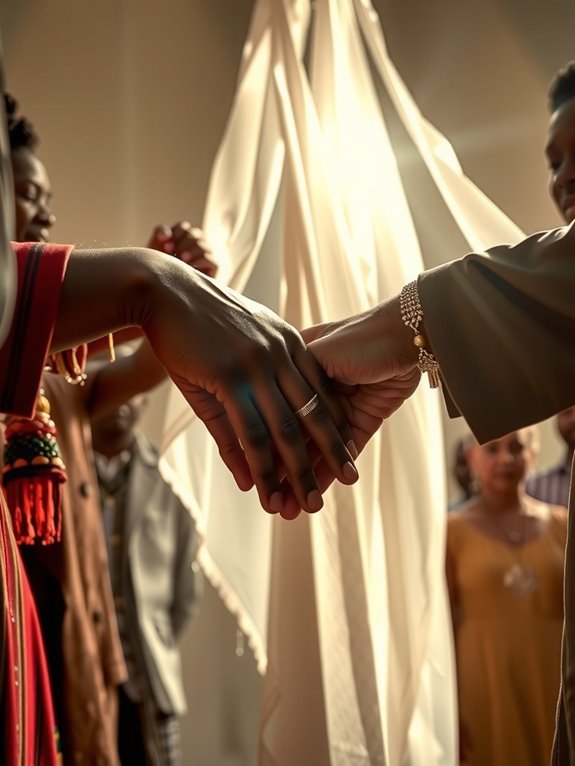
Across the globe, societies maintain distinctly different perspectives on marriages prompted by pregnancy outside wedlock. Rather than viewing shotgun weddings through a single lens, understanding cultural context reveals how family honor, social expectations, and tradition shape these decisions differently across regions.
Understanding cultural context reveals how family honor, social expectations, and tradition shape shotgun wedding decisions differently across regions.
In Latin American and Mediterranean communities, family reputation carries substantial weight in decision-making. When pregnancy occurs before marriage, relatives often exert considerable pressure toward immediate union ceremonies. These cultures traditionally view swift marriages as essential for preserving family standing and social respect within their communities. The timeline for planning typically compresses to weeks rather than months, which affects everything from venue availability to guest coordination.
Northern European nations demonstrate markedly different attitudes toward unmarried parenthood. Countries like Denmark, Sweden, and Norway have normalized single-parent families through decades of progressive social policy and robust support systems. This cultural acceptance significantly reduces the coercive pressure families place on couples to marry hastily. As a result, shotgun weddings occur far less frequently in these regions, with couples making marriage decisions based on relationship readiness rather than external obligation.
Asian cultures frequently emphasize family expectations and adherence to traditional values in marriage decisions. When pregnancy occurs outside wedlock, shotgun weddings remain a common response because family honor remains paramount. Extended family members often participate heavily in planning these rapid ceremonies, which can mean navigating multiple generations’ preferences within compressed planning periods.
African communities present a varied landscape without uniform approaches to premarital pregnancy. Some regions embrace arranged rapid marriages as cultural tradition, while others increasingly accept alternative arrangements including single parenthood or cohabitation before formal ceremonies.
Middle Eastern societies typically maintain stricter expectations regarding premarital relationships and marriage timelines. These cultural norms shape how families respond to pregnancy outside wedlock and influence the speed at which wedding planning must occur.
Is It Right for You? Pros, Cons, and Decision Factors

Should you actually move forward with a shotgun wedding, or does the pressure to marry quickly deserve serious examination?
Start by considering your genuine motivations beyond the immediate circumstances you’re facing. If pregnancy prompted this decision, you’re following a pattern that’s deeply rooted in tradition—roughly 40 percent of marriages in the 1960s occurred under similar circumstances, according to demographic data. However, modern relationships operate under different social rules entirely. The legal and social stigma that once made quick ceremonies necessary has largely disappeared. This distinction matters when you’re deciding whether you’re actually marrying your partner or simply marrying the situation itself.
The potential benefits do exist and warrant honest consideration. Legal marriage provides automatic inheritance rights, hospital visitation privileges, and simplified custody arrangements for any children involved. You’ll establish immediate financial responsibility and shared tax benefits that unmarried couples cannot access. These practical protections have real value in your day-to-day life.
The drawbacks, however, deserve equal weight in your thinking. Compressed planning timelines—typically eight weeks or less—eliminate the foundation-building conversations most couples need before marriage. Resentment frequently emerges around rushed decisions: 23 percent of couples who marry within three months of becoming engaged report significant regret about their wedding planning experience, according to wedding planning surveys. External pressure from parents, extended family, or religious communities can mask your actual preferences about whether marriage itself aligns with your goals.
The decisive question requires honest dialogue with your partner: Do you genuinely want to marry this person in five years, or does current external pressure drive this choice? That fundamental distinction determines whether your wedding ceremony strengthens your relationship or creates complications you’ll navigate for decades.
What You Need to Know Legally Before You Marry Fast

When you’re planning a shotgun wedding, the paperwork moves faster than the ceremony itself—but that speed shouldn’t mean skipping the legal requirements that protect both of you. Here’s what actually matters before you walk down the aisle.
Marriage License Requirements
You’ll need a valid marriage license, which requires meeting your state’s residency and waiting period requirements. Pregnancy doesn’t exempt you from standard procedures, though some jurisdictions offer expedited processing that can reduce waiting periods from three to five days down to same-day approval. Check your specific state’s requirements on the vital records office website, as these vary considerably. For example, Nevada has no waiting period, while California requires a three-day waiting period even with expedited processing.
Verify Legal Eligibility
Both partners must be of legal age and currently unmarried. Confirming these details prevents complications down the road. Obtain your birth certificates and identification documents beforehand to streamline the application process. You may need certified copies, which typically cost between $10 and $25 per document depending on your state.
Financial and Custody Considerations
Consider consulting a family law attorney about prenuptial agreements, particularly if finances or custody concerns exist from previous relationships. Attorney consultation fees range from $200 to $500 for an initial meeting. Filing taxes, updating beneficiaries on insurance policies, and securing health insurance coverage become immediately relevant after marriage. These administrative changes affect your household budget and legal protections for months ahead.
Don’t let urgency compromise the legal protections that actually safeguard both partners and any children involved in the marriage.
Myths and Misconceptions About Shotgun Weddings

You’ve likely heard that shotgun weddings stem purely from pregnancy, but that myth overlooks today’s more complex reality. Modern couples pursue quick marriages for various reasons—religious convictions, visa requirements, or simply wanting an expedited ceremony—that have nothing to do with coercion or unplanned pregnancies.
The term’s historical connection to forced unions has largely faded. What remains is a more nuanced understanding that respects couples’ diverse motivations for marrying fast. Some couples prioritize legal marriage before relocating internationally, while others face time-sensitive circumstances like military deployment or employment transitions. Religious observances may also dictate accelerated timelines, particularly within communities where engaged couples live separately before marriage.
Why does this distinction matter? Because understanding actual motivations helps planners and families support couples without judgment. A couple marrying within thirty days faces genuine logistical challenges—securing venue availability, coordinating vendor schedules, and managing guest logistics—that differ substantially from traditional six-month engagements. Wedding professionals increasingly recognize expedited ceremonies as a legitimate market segment requiring specialized knowledge rather than a stigmatized exception.
Coercion Versus Modern Context
The shotgun wedding has undergone significant change from its coercive roots. Historically, fathers used explicit threats and family pressure to force daughters into marriage, prioritizing honor over consent. That dynamic relied on paternal authority and social shame as enforcement mechanisms.
Contemporary rapid marriages operate under fundamentally different circumstances. Couples now marry quickly for reasons including religious beliefs, desires to establish two-parent households, or adherence to community expectations—but rarely because of threats or violence. The shift reflects broader social changes in who controls marriage decisions.
Why does the terminology feel outdated today? Modern couples choosing expedited ceremonies do so voluntarily, without the power imbalances that once defined these unions. Some marry within weeks due to pregnancy, while others compress timelines for practical reasons like military deployment or visa requirements. The motivations remain personal rather than coerced.
The distinction between choice and coercion reshapes our understanding considerably. What once represented paternal control now represents couples navigating unexpected circumstances within their own value systems. While logistics and convenience still influence timing, these decisions originate from the individuals involved rather than external force.
This evolution reflects changing cultural attitudes toward women’s autonomy, contraception access, and marriage timing generally. A wedding ceremony compressed into weeks today carries different social weight than the same ceremony did a century ago, when family reputation hung in the balance.
Pregnancy As Sole Cause
Does premarital pregnancy automatically trigger a shotgun wedding? Not necessarily. You might assume that pregnancy’s the only reason couples rush down the aisle, but that’s a common misconception. While premarital pregnancy certainly influences some marriage decisions, it’s rarely the sole cause.
Religious beliefs, financial stability, and the desire for children to have two parents all play significant roles. Modern couples typically weigh multiple factors simultaneously when deciding on marriage timing. Additionally, coercion—once a troubling reality—is now illegal and socially unacceptable. Today’s expedited weddings typically reflect practical planning rather than forced unions.
The timing varies considerably too; some pregnancies don’t result in immediate marriages. Complex personal circumstances create the framework for these decisions, not a simple cause-and-effect relationship between conception and commitment.
Planning a Wedding on a Tight Timeline
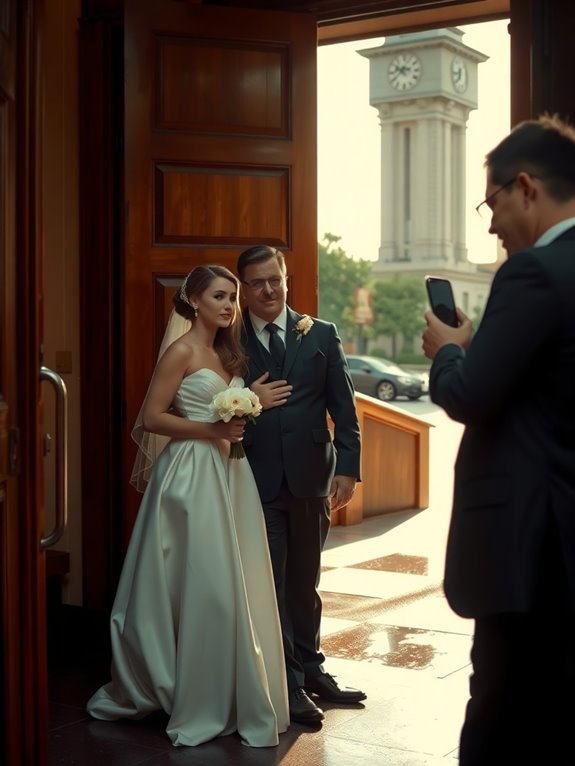
When you’re racing against the clock, what matters most isn’t perfection—it’s pragmatism. Planning a shotgun wedding ceremony requires focusing on simplicity and efficiency rather than elaborate details. Consider a pregnancy-friendly dress design that provides comfort throughout the event while flattering your changing silhouette. A smaller, simpler ceremony reduces logistical stress and cuts costs significantly, often saving $5,000 to $15,000 compared to traditional weddings.
When planning a shotgun wedding, pragmatism trumps perfection—smaller ceremonies reduce stress and save thousands while keeping what truly matters.
Rather than obsessing over intricate details, reframe your wedding as a family photoshoot opportunity. This mindset shifts your focus toward meaningful moments instead of flawless execution. What specific moments matter most to you and your partner? A courthouse elopement remains viable if traditional venues feel overwhelming, typically costing between $200 and $500 in filing fees plus officiant charges.
Your shortened planning period demands creative problem-solving and realistic expectations. Many couples find that compressed timelines force helpful decisions—you eliminate options that don’t serve your actual priorities. Work with vendors experienced in rush bookings; some charge 15 to 25 percent premiums for expedited timelines but handle logistics efficiently. A shortened planning period doesn’t diminish your day’s significance; it simply requires acknowledging what you can realistically accomplish within your specific constraints.
How to Decide Whether to Marry Before the Baby Arrives

Once you’ve handled the wedding logistics, a more fundamental question surfaces: should you actually marry before the baby arrives? This decision goes beyond scheduling and venue selection—it reflects your values and vision for family life.
Consider what matters most to your household. Does your faith tradition emphasize marriage before parenthood? Would you prefer raising your child with both parents under one roof from the start? These aren’t small considerations, and they deserve honest reflection rather than quick answers.
Financial realities deserve attention as well. Getting married doesn’t require expensive timing or rushed decisions. A courthouse ceremony costs between $50 and $300 depending on your state’s filing fees, while a modest reception might run $2,000 to $5,000. Waiting until after birth doesn’t eliminate these costs—it simply postpones them.
External pressure often clouds this choice. Your parents, friends, or community members might have opinions about whether you should marry now or later. Ask yourself whether you’re making this decision for your relationship’s health or to satisfy someone else’s expectations. Some couples report that planning a wedding during pregnancy actually strengthens their partnership and creates a shared focus. Others find that waiting until after the baby arrives allows them to approach marriage from a clearer, less pressured position.
The timing question has no universal right answer. What works depends entirely on your circumstances, your partner’s perspective, and your honest assessment of why you’re considering marriage in the first place.