
Diamonds represent the modern standard for 30th anniversary gifts because they symbolize the permanence and durability that thirty years of marriage embodies. Ranking 10 on the Mohs hardness scale, diamonds resist scratches and maintain their brilliance indefinitely, unlike pearls which deteriorate over time.
Most couples invest between $1,000 and $5,000 in anniversary diamonds, though the symbolic value of the gesture matters more than carat weight. The specific presentation format—whether upgrading her engagement ring, adding a pendant, or selecting a bracelet—should align with her daily lifestyle and personal preferences.
What style of diamond jewelry would she actually wear regularly? Answering this question helps ensure your investment reflects your commitment’s enduring strength while remaining practical for her everyday life. Consider her current jewelry collection, metal preferences, and whether she favors delicate pieces or bolder statement items.
Personalization options deepen the meaning behind your choice. Engraving an inscription inside a band, selecting a specific diamond cut that mirrors her engagement ring, or combining diamonds with her birthstone creates layers of significance beyond the stone itself. Working with a jeweler who understands custom work ensures the final piece tells your unique marriage story rather than offering a generic alternative.
What Makes Diamonds the Modern 30th Anniversary Choice
Why Diamonds Became the Modern 30th Anniversary Standard
The shift from pearls to diamonds as the traditional 30th anniversary gift reflects changing priorities among today’s couples. When you’re marking three decades together, you’re celebrating a partnership that has weathered real challenges and genuine growth. Diamonds embody that permanence in ways pearls simply cannot match over time.
Pearls naturally deteriorate with age, requiring careful maintenance and eventually losing their luster through normal wear. Diamonds, by contrast, rank 10 on the Mohs hardness scale, making them resistant to scratching and capable of maintaining their brilliance across generations. This physical durability mirrors the strength couples have built through thirty years of marriage.
Diamonds rank 10 on the Mohs hardness scale, maintaining brilliance across generations—a durability that mirrors thirty years of marriage strength.
Modern gift-givers appreciate jewelry that serves as both a wearable reminder and a practical investment. A quality diamond pendant or diamond-accent ring typically ranges from $800 to $3,000 depending on carat weight and setting, positioning it as a meaningful but accessible luxury. Unlike sentimental items that sit in drawers, anniversary diamonds get worn regularly, making them functional symbols of your bond.
The diamond represents what couples actually value after thirty years: something authentic that doesn’t fade, chip, or require constant restoration. When you select a diamond piece for this milestone, you’re choosing jewelry that will look as vibrant in another thirty years as it does today. That reliability matters more than fleeting trends when you’re honoring three decades of actual commitment.
How Much Should You Spend on a 30th Anniversary Diamond?
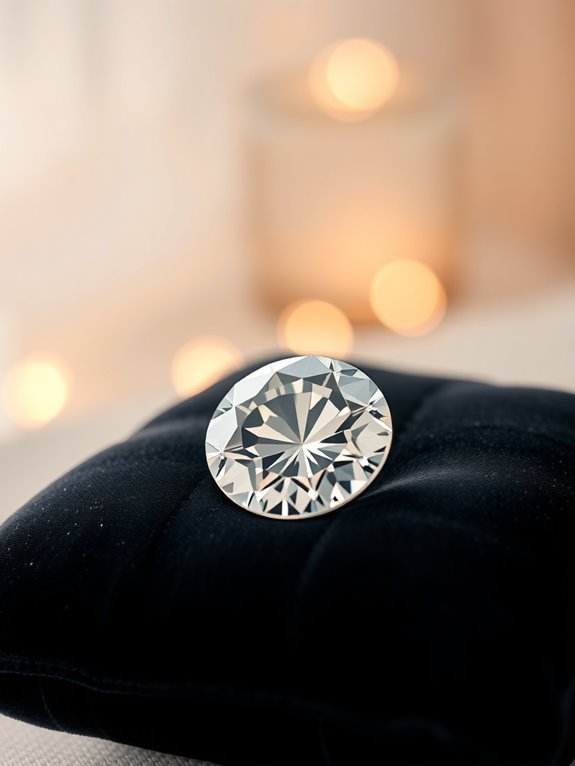
How Much Should You Spend on a 30th Anniversary Diamond?
When shopping for a 30th anniversary diamond, determining the right budget hinges on your individual circumstances rather than industry standards. Most couples allocate between $1,000 and $5,000 for anniversary diamonds, though this range varies considerably based on financial situation.
Your spending should align with your current income and available savings without creating financial strain. If you earn $60,000 annually, a $3,000 diamond represents a different financial commitment than the same amount for someone earning $150,000. Some financial advisors suggest spending one to two months of discretionary income on significant jewelry purchases, though this guideline remains optional rather than mandatory.
The diamond itself carries symbolic weight that transcends its monetary value. After three decades together, the commitment you’re celebrating matters far more than the carat weight or price tag attached to the stone. A half-carat diamond with strong clarity and color grading at $2,500 holds equal emotional significance to a one-carat stone priced at $6,000 if either resonates with your relationship’s narrative.
Jewelers typically stock quality diamonds across multiple price points, from $800 lab-grown stones to $8,000+ natural diamonds with premium certifications. You might visit three to five retailers to compare options within your budget range. What specific characteristics matter most to you—size, color grade, or certified authenticity from organizations like the Gemological Institute of America?
The goal involves selecting something both of you will value for decades, not impressing others with an inflated price point.
Diamond Jewelry Styles for Your 30th Milestone
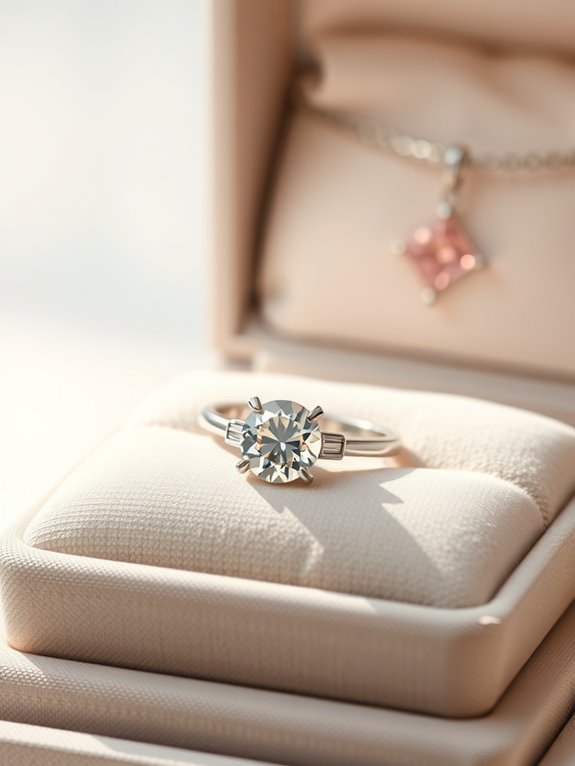
When celebrating your 30th anniversary, you have several meaningful options to consider for diamond jewelry. You might upgrade your engagement ring, which has likely become more worn after three decades of daily wear. Alternatively, you could explore complementary pieces like pendant necklaces or bracelets that work alongside your existing collection.
The decision between upgrading versus adding new pieces depends on your lifestyle and personal preferences. An upgraded engagement ring typically costs between $2,000 and $8,000 for quality diamonds in the one to two carat range. A statement pendant necklace with diamonds usually ranges from $1,500 to $5,000, while diamond bracelets generally fall between $3,000 and $10,000 depending on carat weight and metal choice.
If your original engagement ring shows visible scratches or prong wear, a professional jeweler can assess whether restoration makes sense before replacement. Most jewelers recommend checking ring integrity every 5 to 10 years, particularly for rings worn daily. A modern diamond pendant or bracelet offers flexibility since you can wear these pieces separately or layer them with your existing engagement ring and wedding band.
Consider your typical activities when selecting a new style. Active lifestyles might benefit more from a delicate pendant that sits safely against your body rather than a bracelet that could catch on objects. Classic solitaire and three-stone settings remain popular anniversary choices, while halo designs and vintage-inspired pieces appeal to those seeking more intricate aesthetics.
Timeless Engagement Ring Upgrades
Celebrating 30 years of marriage deserves more than a card and dinner reservation. Upgrading your original engagement ring offers a concrete way to commemorate the milestone while preserving the piece that started your journey together.
Ring upgrading lets you modify your existing setting, stone, or both while keeping the sentimental original elements intact. Rather than replacing what you have, you’re building on it—much like three decades of marriage itself.
Popular Upgrade Approaches
Diamond halos surround your center stone with smaller accent diamonds, typically adding 0.5 to 2 carats of additional sparkle depending on your design. This approach increases the perceived size and brilliance of your original stone without upgrading the main diamond itself.
Pavé settings feature diamonds set closely along the band, creating continuous light reflection from multiple angles. These designs work particularly well if your original band has plain metal sections that could use visual interest.
Channel-set designs secure diamonds flush within grooves carved into the band, producing a modern, streamlined appearance. This style suits people who prefer clean lines over prominent surface sparkle.
Metal and Customization Options
Your choice of metal—white gold, yellow gold, rose gold, platinum, or silver—depends on both your aesthetic preference and practical considerations. Platinum costs 40 to 50 percent more than white gold but offers superior durability for daily wear over the next several decades.
Customizing carat weight, cut, color, and clarity during the upgrade process lets you address any aspects of your original ring you’d like adjusted. A jeweler can assess whether your center stone benefits from a clarity upgrade or if a different cut better suits your current style preferences.
Working With Professionals
Most jewelers charge between $500 and $3,000 for a complete ring upgrade, depending on the complexity of the new setting and whether you’re adding significant diamond weight. The timeline typically runs four to eight weeks from design approval to completion.
Start by consulting with at least two jewelers who specialize in custom work. Bring photos of your ring and describe which elements you want to keep versus reimagine.
Pendant and Bracelet Options
Beyond the engagement ring itself, diamond pendants and bracelets offer couples a chance to commemorate their milestone with pieces that reflect their evolving style. A diamond-accent pendant necklace provides subtle light-catching sparkle during formal dinners without dominating your overall appearance. Pairing it with a cultured pearl and diamond-accent bracelet creates a cohesive look suited for both everyday wear and special occasions.
Customization begins with metal selection—white gold, yellow gold, rose gold, platinum, or silver each offer distinct aesthetic qualities. From there, you’ll choose your diamond quality based on the four Cs (cut, color, clarity, and carat weight) and decide on total carat size. How much budget flexibility do you have for secondary jewelry pieces alongside your primary engagement ring investment?
Pricing ranges from under $150 for simpler designs to over $11,000 for premium options with higher-quality stones. This wide range means you can find quality pieces at various price points rather than feeling limited to a single option. Most jewelers include complimentary express delivery and lifetime warranties with pendant and bracelet purchases, protecting your investment through regular wear and occasional professional cleaning.
Adding Green Accents: Complementary Styling and Gift Pairings
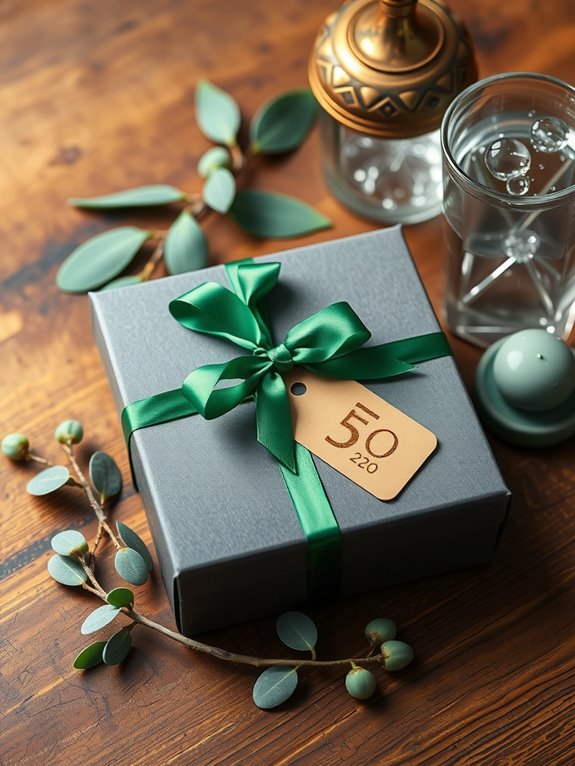
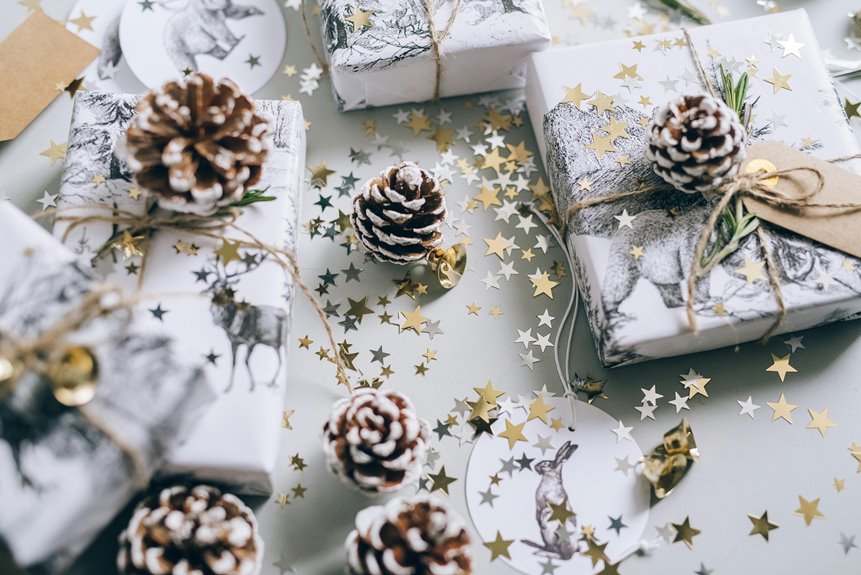
Incorporating green elements into your 30th anniversary diamond gift creates meaningful visual and symbolic connections. Green represents life, renewal, and growth—qualities that complement diamond’s traditional association with lasting commitment.
Green elements symbolize life and renewal, complementing diamonds’ association with lasting commitment in 30th anniversary gifts.
Several styling approaches work well for this pairing. Green-themed wrapping or presentation boxes frame your diamond jewelry within a cohesive aesthetic. Layered pearl and diamond combinations honor traditional anniversary symbolism while maintaining contemporary appeal. Emerald or green gemstone settings paired with diamond accents provide sophisticated contrast without overshadowing the primary stone.
When you present a diamond pendant against green velvet packaging, you’re communicating something specific to your spouse: your relationship continues developing and thriving after three decades. The color choice speaks to renewal rather than stagnation, suggesting that your bond remains active and growing.
Consider practical presentation details like sourcing packaging from specialty jewelers who stock colored velvet boxes, typically priced between $15 and $50 depending on quality and customization. Many jewelers can source emerald-cut diamonds in the 1 to 3 carat range, with prices varying from $3,000 to $15,000 based on clarity and color grading.
The combination of green accents with diamond jewelry creates a gift that reflects both partners’ values while acknowledging the significance of 30 years together.
Where to Buy 30th Anniversary Diamonds (Trusted Sources)
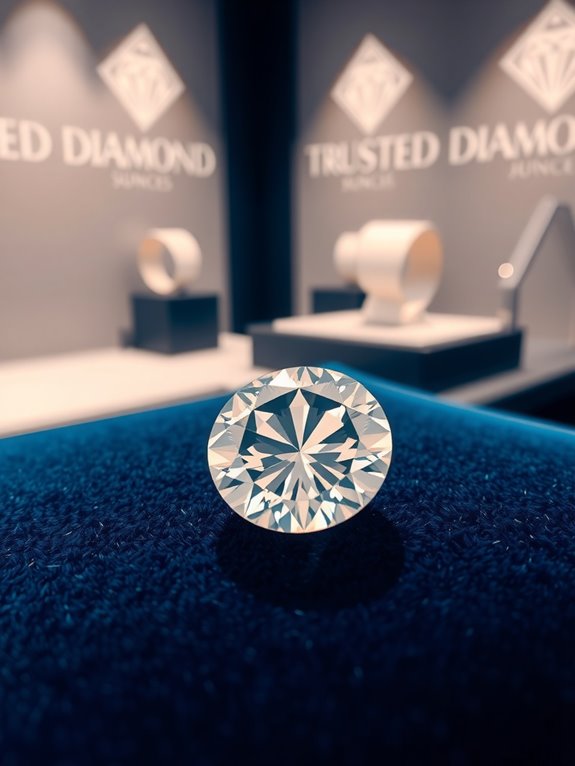
When selecting a retailer for your 30th anniversary diamond, the vendor’s credibility matters as much as the stone’s quality itself. Reputable jewelers provide detailed documentation about how diamonds were graded and offer customization options aligned with your preferences.
| Retailer Type | Key Advantage | Certification Focus |
|---|---|---|
| Luxury Jewelers | Expert guidance and bespoke designs | GIA and AGS certified |
| Online Specialists | Competitive pricing and vast selection | Third-party diamond grading |
| Department Stores | Established reputation and service | Certified diamond inventory |
Different retailers serve different priorities. Luxury jewelers employ gemologists who can explain why a diamond’s characteristics affect its price, typically ranging from $5,000 to $50,000 for quality anniversary stones. Online specialists often undercut these prices by 20 to 30 percent through lower overhead costs while maintaining equivalent certifications. Department stores bridge the gap between personal service and moderate pricing, though their diamond selections tend toward pre-set inventory rather than custom options.
How do you know if a retailer’s credentials hold weight? The Gemological Institute of America and American Gem Society certifications represent independent third-party evaluations, meaning the retailer didn’t grade the diamond themselves. This separation matters because it prevents conflicts of interest. A diamond certified by GIA comes with a detailed report documenting the four Cs: carat weight, color, clarity, and cut quality.
Before purchasing, ask retailers for their return policies, typically ranging from 14 to 30 days, and request written warranties covering the certification details. These protections give you recourse if questions arise about your stone’s authenticity or quality after the sale.
Diamond Certifications and Quality: What Actually Matters
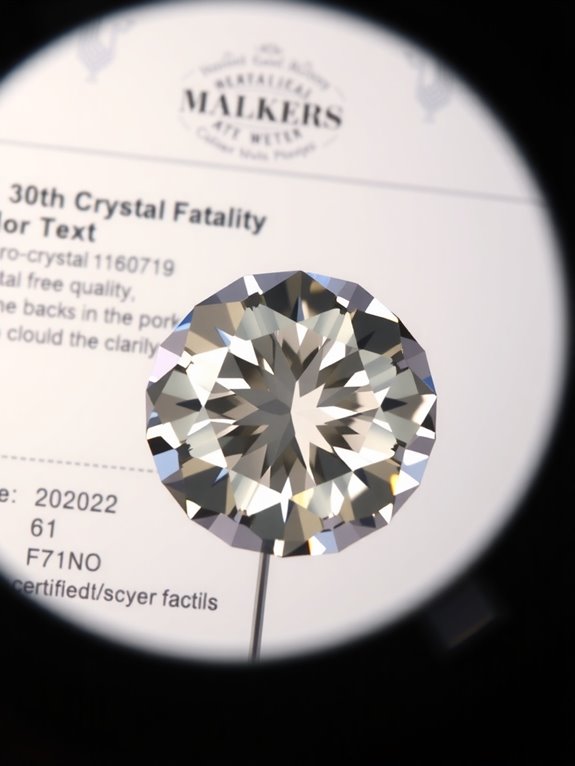
Diamond Certifications and Quality: What Actually Matters
A small printed report might seem less important than the diamond itself, but that certification becomes your proof of quality and protects both your investment and peace of mind. When selecting a diamond for a significant milestone, certifications from reputable graders like GIA, IGI, or AGS verify exactly what you’re purchasing.
These certifications document three critical factors that directly affect brilliance, appearance, and resale value. Cut quality determines how light reflects through the stone, color grades measure the absence of yellow or brown tints on a D-to-Z scale, and clarity ratings identify internal and external imperfections visible under magnification. A diamond graded VS1 (very slightly included) versus SI1 (slightly included) might cost 15 to 20 percent less while appearing identical to the naked eye, making the certification report your guide to fair pricing.
Carat weight documentation ensures you’re paying appropriately for the stone’s actual size and quality combination. A 1.5-carat diamond certified by GIA carries more credibility in the resale market than an uncertified stone of the same apparent size.
Certifications also confirm ethical sourcing through compliance with the Kimberley Process or documentation of lab-grown origin, which matters to many couples planning engagements. Keep that appraisal on file for insurance purposes—it protects your investment if the ring requires repair or replacement. A certified diamond represents documented proof that your gift holds both emotional significance and measurable monetary value for decades.
How to Personalize Your Diamond With Engravings and Meaning
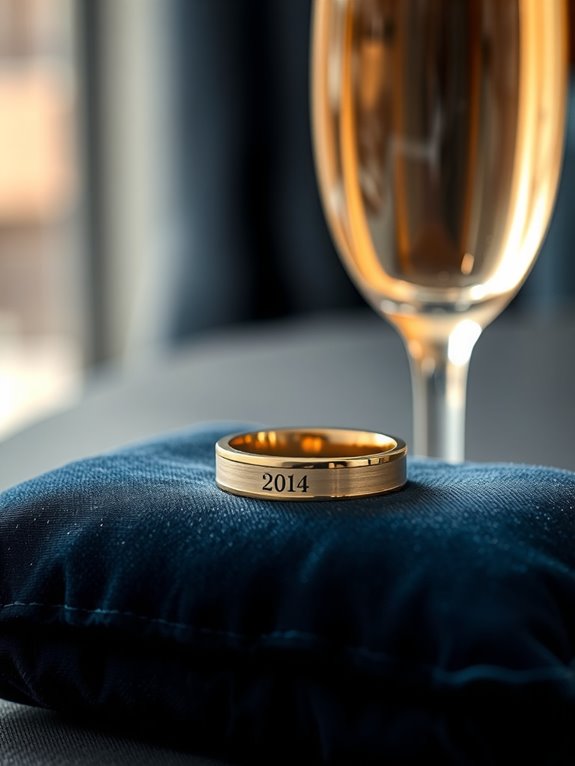
You can personalize your diamond through engraving techniques that preserve meaningful moments within the stone itself. Consider etching initials, a wedding date, or significant phrase inside the band or on the pendant’s back, keeping the message private yet accessible. Laser engraving offers intricate designs with precise detail, while hand-engraved script provides classic elegance that develops character over decades of wear.
Where should your message live on the jewelry? Inside surfaces work best for daily rings since they stay protected from scratching during regular activities. Pendant backs or band interiors allow you to choose between visibility and privacy based on personal preference.
The engraving process typically takes one to three weeks depending on complexity and your jeweler’s schedule. Laser engraving costs between $50 and $200, while hand engraving ranges from $100 to $400. Consider timing this customization during the initial purchase rather than later, since adding engravings to existing stones sometimes requires professional assessment to prevent damage.
What message captures your relationship accurately without feeling trendy in five years? Dates and initials age better than phrases that might feel dated. A jeweler experienced with heirloom pieces can suggest approaches that previous clients have chosen successfully, offering perspective on engravings that feel meaningful across generations rather than tied to a specific moment in time.
Engraving Options and Techniques
Engraving Options and Techniques
What makes a diamond gift truly personal? Engraving converts your anniversary gift into a meaningful keepsake that celebrates your unique story together.
Several excellent options exist when personalizing your diamond. Text choices include wedding dates, initials, short messages, or meaningful symbols etched onto the ring band or pendant back. Inside ring bands, pendant backs, or bracelet undersides keep inscriptions private yet accessible to you both. Classic serif fonts offer timeless elegance, while cursive scripts add intimate personal touches—though character limits typically max out around 8 to 40 characters depending on metal surface area.
Modern engraving techniques combine text with symbolic motifs like hearts or infinity signs while maintaining sophisticated aesthetics. The metal you choose matters significantly. White gold, platinum, and rose gold provide superior durability and legibility that can last decades, whereas softer metals may show wear over time. A jeweler can typically complete engraving within 5 to 7 business days, though rush services add 15 to 25 percent to your base cost.
Your engraved diamond becomes more than jewelry—it becomes an heirloom that carries your love story forward through generations. The inscription reminds you both of that specific moment, date, or phrase whenever you wear it.
Meaningful Messages and Symbolism
The technical skill of engraving matters less than deciding what your words will actually communicate. When you select messages that speak to your specific relationship, your diamond becomes something more than jewelry—it becomes a personal artifact.
Consider these personalization approaches and their symbolic weight:
| Message Type | Example | Symbolism Impact |
|---|---|---|
| Wedding Date | “June 15, 1994” | Anchors your commitment to a specific moment in time |
| Initials | “J + M” | Creates a visual representation of your partnership |
| Meaningful Phrase | “Forever Burning Bright” | Connects the diamond’s permanence to your relationship’s endurance |
| Anniversary Year | “30 Years Strong” | Acknowledges the longevity required to maintain a marriage |
| Personal Quote | “Our Greatest Adventure” | Captures shared goals and the life you’re building together |
The words you engrave work quietly, speaking your story each time you notice them. Over thirty years, a couple might celebrate anniversaries, weather disagreements, and rebuild connection multiple times—and the engraving stays constant through all of it. That consistency holds meaning beyond the diamonds themselves.
Some people choose dates because numbers carry weight in relationships. Others prefer phrases because language captures what numbers cannot. What matters most is that the message reflects something you both recognize as true about how you relate to each other, whether that’s resilience, adventure, humor, or commitment to supporting each other’s growth.
Customization Ideas for Diamonds
A diamond’s brilliance becomes deeply personal the moment you decide how it’ll carry your story. You can customize your diamond through several meaningful approaches that reflect your taste and values.
Engraving Options
Engraving your diamond setting with your wedding date, initials, or a special message creates an intimate keepsake. This customization typically costs between $50 and $300 depending on complexity and jeweler rates. Inside band engravings remain hidden during daily wear, while outside engravings become visible design elements that spark conversations about your relationship.
Metal Selection
Your metal choice significantly impacts both appearance and long-term wearability. White gold offers a contemporary look that complements cool-toned diamonds, while yellow gold creates warmth and works well with diamonds of any color grade. Rose gold has gained popularity over the past decade, particularly among younger couples seeking vintage-inspired aesthetics. Platinum provides maximum durability for active lifestyles but costs 40 to 50 percent more than gold options. Silver remains affordable at $15 to $30 per gram but requires more frequent maintenance due to tarnishing.
Setting Styles
Your setting choice affects both how your diamond catches light and how comfortably it functions in your daily routine. A solitaire setting showcases the stone without competition, letting quality speak for itself. A halo design surrounds the center diamond with smaller stones, amplifying perceived sparkle and adding approximately $1,500 to $4,000 to your total cost. Pavé settings feature small diamonds along the band, creating continuous sparkle but requiring professional cleaning every six months to maintain appearance.
Which approach aligns with how you want your diamond to represent your relationship over time?
Staging the Perfect Diamond Reveal: Presentation Ideas
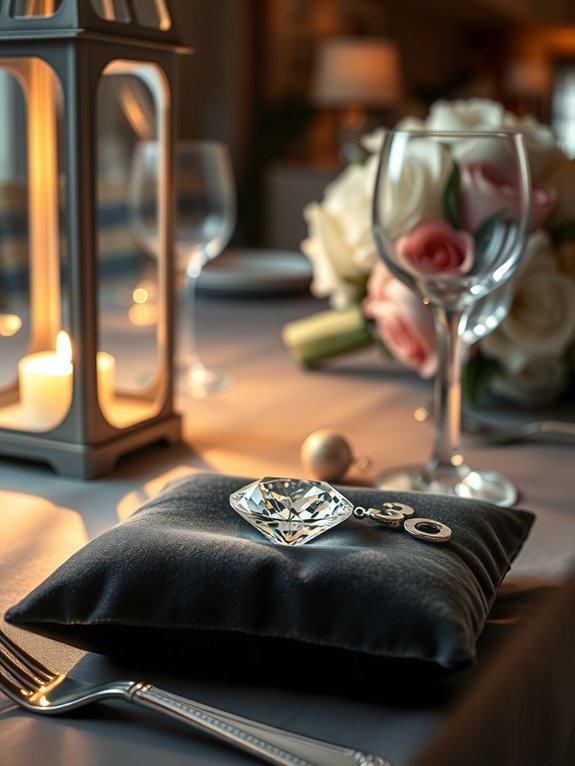
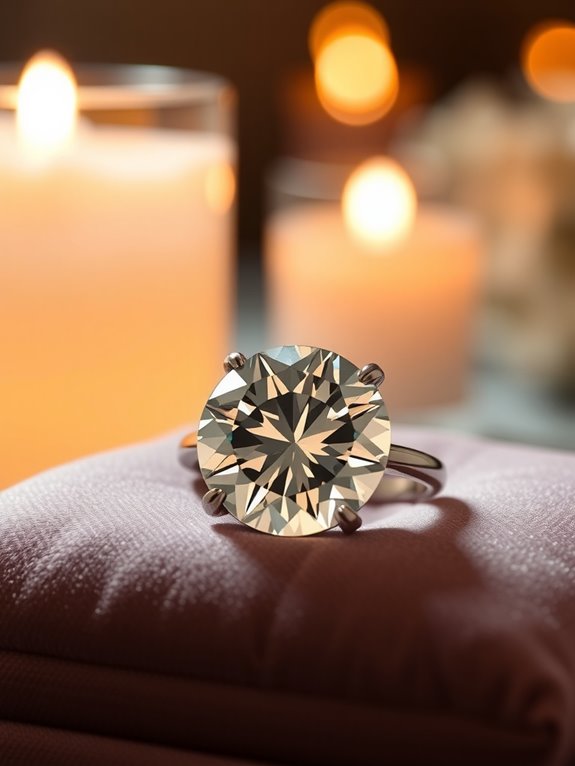
How you present a diamond gift shapes the entire memory around it. Consider the physical staging first: velvet jewelry displays paired with soft, warm lighting that emphasizes your diamond’s facets and brilliance. The location matters equally—perhaps where you first met or got engaged—since meaningful settings anchor emotional moments more effectively than generic spaces.
A keepsake box with a handwritten note adds layers of sentiment that a store-wrapped package cannot replicate. What specific memory or inside reference could you include in your message. The phrase “30 years of shine and growth” works well, though personal details resonate stronger with recipients than generic anniversary language.
The 30th anniversary traditionally connects to emerald green symbolism, so you might weave this throughout your presentation. Incorporate green through flower arrangements, ribbon accents, or table settings that reinforce the anniversary’s significance without overwhelming the diamond itself. Florists typically charge $50 to $150 for small arrangements that complement rather than compete with your centerpiece.
Your opening words matter more than most people realize. Rather than launching into the gift, acknowledge your partner’s role in your shared history. A simple statement like “Three decades with you has shown me what real strength looks like” grounds the moment in your actual relationship rather than borrowed sentiment.
The unboxing itself deserves attention to pacing and presentation. Hand the box directly to your partner rather than placing it on a table, which creates an interactive moment instead of a passive viewing experience. This small choice affects how recipients remember the entire event.
Diamond Care and Warranty: Protecting Your 30-Year Investment
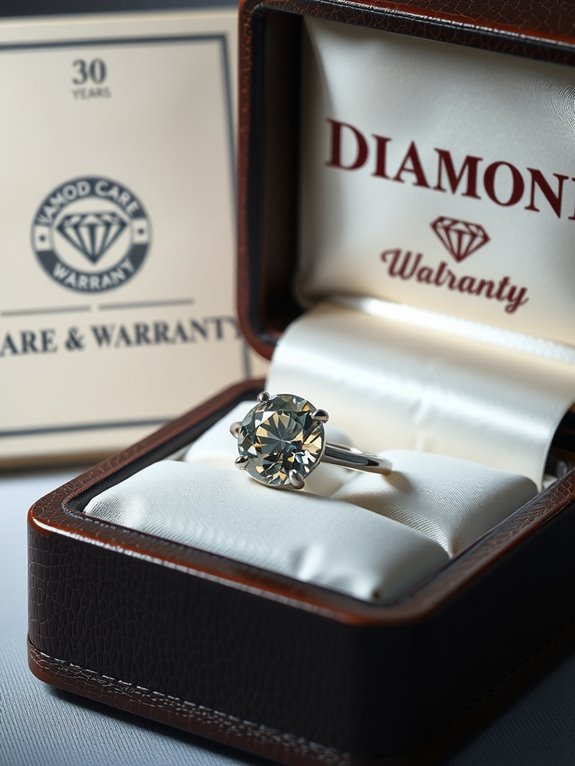
Your diamond’s brilliance requires active maintenance—the difference between a radiant stone and one that gradually loses its sparkle comes down to consistent care practices you implement yourself.
You’ve made a significant financial and emotional investment in this gemstone, so understanding how to protect it makes practical sense. Diamond care involves straightforward routines that fit into your regular habits:
Monthly cleaning with a soft brush, mild soap, and warm water restores shine and removes buildup from daily wear. Store your diamond separately from other jewelry pieces to prevent scratches, since diamonds can actually scratch other gemstones while softer metals risk damage from diamond contact. Chlorine, harsh chemicals, and abrasive cleaners can compromise both the stone and its setting over time.
What happens when you skip maintenance for extended periods? Accumulated oils and residue dull the surface, making even high-quality diamonds appear less brilliant than they actually are. Professional cleaning during annual inspections costs between $50 to $150 depending on your jeweler’s location and expertise level.
A comprehensive warranty protects your investment against manufacturing defects and craftsmanship problems that might emerge years after purchase. Many jewelers include complimentary maintenance visits and security inspections as part of their warranty packages, allowing you to catch loose settings or other issues before they result in stone loss. You’re not simply preserving a gemstone—you’re maintaining the physical representation of a significant commitment.